
The Black Cat
1981
No user ratings available yet
Representation score: 2.1 out of 10
Representation Score
Limited
1972
Not RatedDirector
Lucio Fulci
Runtime
105 minutes
Average Rating
No ratings yetNew Showbiz Analysis
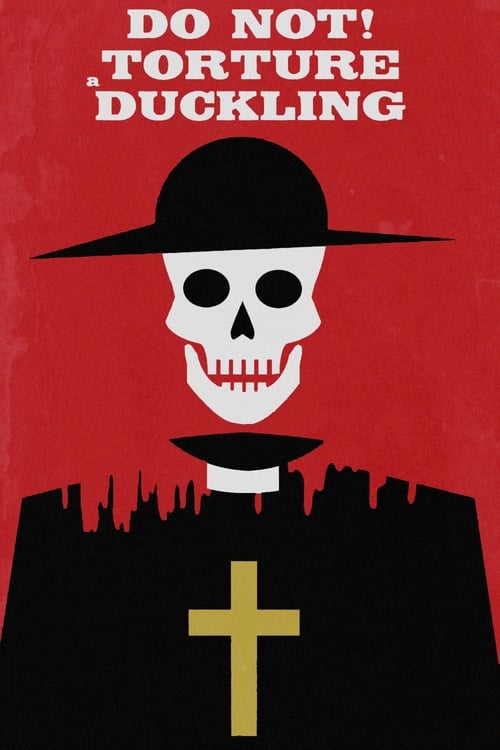
Don't Torture a Duckling examines social conflict and the risks of deeply rooted, irrational traditions. Despite lacking modern markers of diversity like racial or LGBTQ+ inclusion, it offers a sharp critique of how religious and communal authority can lead to systemic harm. The film's strength lies in its critique of traditionalism. By presenting organized belief systems as sources of irrationality, it promotes a more secular, scientific perspective through the eyes of its rationalist outsiders. However, the work remains constrained by its homogeneous setting and traditional gender roles. Characters are primarily defined by their connection to the village's strict social and moral structures.
Category Breakdown
The film does not include any LGBTQ+ characters or explore non-straight relationships. The village is shown through a strictly traditional, straight-focused lens.
Female characters are often shaped by communal morality and social pressure rather than independent roles. However, the film challenges passive female stereotypes by emphasizing the controlling influence of matriarchal figures.
The setting showcases a highly uniform population in a remote Southern Italian village. The narrative highlights socioeconomic isolation without exploring racial or ethnic diversity.
The story criticizes traditional institutions by contrasting religious superstition with secular rationalism. It portrays the community's adherence to tradition as a cause of tragedy and violence.
There is no meaningful representation of neurodivergence or physical disabilities. Psychological trauma is used to drive the horror plot rather than offering a nuanced exploration of lived experiences.
Present on Screen
Limited or Absent
Official Synopsis
A reporter and a promiscuous young woman try to solve a series of child killings in a remote southern Italian town rife with superstition and a distrust of outsiders.
1981

1966
2019
1976

1982

1975
1990
1987
No reviews yet. Be the first to share your thoughts on this movie!
Use the rating form above to leave a star rating and optional review.