Mirrors
1978
No user ratings available yet
Representation score: 0.3 out of 10
Representation Score
Limited
1980
Director
John D. Lamond
Runtime
83 minutes
Average Rating
No ratings yetNew Showbiz Analysis
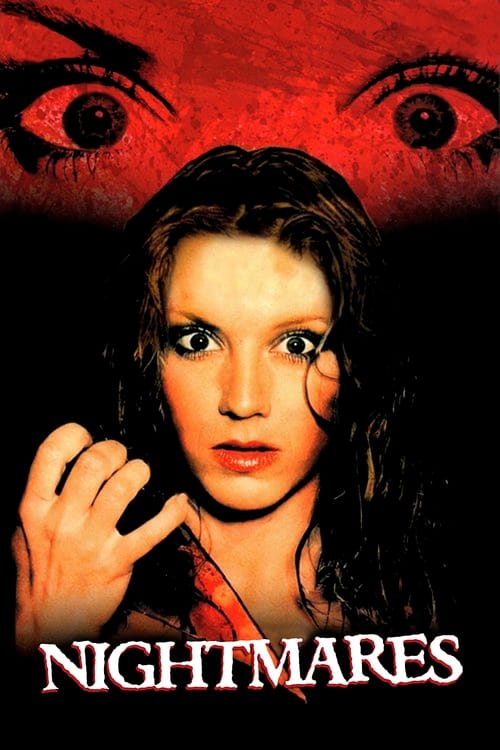
Nightmares operates as a conventional genre piece of its era, emphasizing psychological clichés over social commentary. While the film centers on a female lead, her characterization aligns with established horror archetypes rather than challenging gender hierarchies. The production does not prioritize characters who reflect more than one aspect of diversity. Instead, the narrative focus remains on individual trauma and personal instability, offering limited space for diverse cultural or racial perspectives. Overall, the film adheres to the homogeneous and traditional casting standards of 1980s exploitation cinema, failing to disrupt or dismantle systemic social norms.
Category Breakdown
The film does not include non-binary gender identities or stories that question the assumption that everyone is straight. It uses traditional character types common in the horror genre of that time.
The female protagonist Helen drives the plot with strong psychological influence, but her instability is used as a genre cliché. The film does not explicitly challenge traditional male dominance or power structures.
The film follows the homogeneous casting practices typical of 1980s low-budget horror movies. There is no indication of a diverse or non-Anglo-Saxon majority cast.
The story focuses on individual psychological conflict rather than systemic or cultural critiques. It does not challenge institutional structures or Western norms.
The protagonist's mental illness serves as the main plot driver, which may risk using mental health issues as a source of fear. There is no evidence of casting actors with lived experience with mental health conditions.
Present on Screen
Limited or Absent
Official Synopsis
A little girl named Cathy tries to keep her mother from making out with a man while driving one day, and she inadvertently causes her mother's death in the car crash. 16 years later, Cathy has changed her name to Helen and has become a psychotic actress. Things are going fine until horrible things starts to happened with the cast of her new play.
1978
1981
1983
1990
1984
1980

1998
1998
No reviews yet. Be the first to share your thoughts on this movie!
Use the rating form above to leave a star rating and optional review.