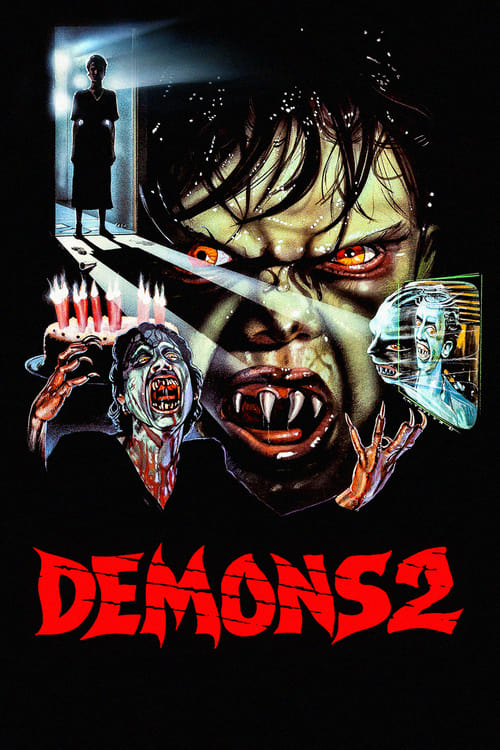
Demons 2
1986
No user ratings available yet
Representation score: 2.8 out of 10

Representation Score
Limited
1985
NRDirector
Lamberto Bava
Runtime
89 minutes
Average Rating
No ratings yetNew Showbiz Analysis
Lamberto Bava’s *Demons* is a visceral exercise in atmospheric dread that prioritizes genre impact over social commentary. It functions as a study of systemic collapse within a claustrophobic cinema, yet it remains firmly rooted in the demographic hierarchies of 1980s Italian splatter cinema. The film relies heavily on established horror archetypes, particularly regarding gender and disability. While the ensemble offers some ethnic variety, the narrative does not actively work to disrupt traditional casting norms or provide significant roles to underrepresented identities. Ultimately, the work is a period-specific genre piece. It succeeds in depicting the fragility of social structures under threat but lacks progressive representation or nuanced characterization for diverse groups.
Category Breakdown
The film does not include any LGBTQ+ characters or narratives. The story focuses solely on survival instincts within the theater setting.
Gender dynamics follow traditional 1980s horror clichés, using the 'final girl' archetype. Women rarely have roles of strategic or intellectual superiority over men.
The ensemble includes some ethnic variety typical of mid-80s European co-productions. However, characters of color have limited narrative importance.
The film explores the breakdown of social order and the failure of institutions. It presents a cynical view of human nature through a decaying setting.
Physical impairment is used primarily as a plot device for horror elements. Characters with disabilities are portrayed as victims rather than nuanced individuals.
Present on Screen
Limited or Absent
Official Synopsis
A group of people are trapped in a West Berlin movie theater infested with ravenous demons who proceed to kill and possess the humans one-by-one, thereby multiplying their numbers.
1986
1977
1989
1960

1973

1993
1988
1978
No reviews yet. Be the first to share your thoughts on this movie!
Use the rating form above to leave a star rating and optional review.