
Bohdan Khmelnytskyi
1941
No user ratings available yet
Representation score: 3.7 out of 10
Representation Score
Limited
1928
Director
Vladimir Gardin
Runtime
72 minutes
Average Rating
No ratings yetNew Showbiz Analysis
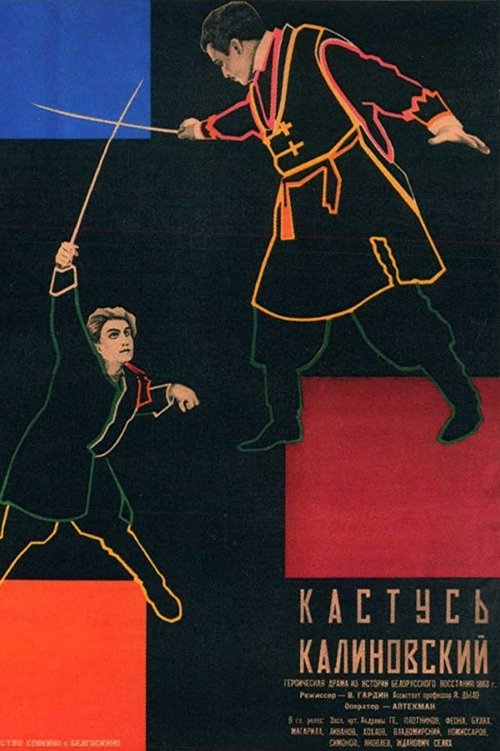
Kastus Kalinovskiy is a historical drama that emphasizes ethnic and class-based struggles over individual identity politics. It offers a strong anti-imperialist perspective by highlighting the resistance of Belarusian, Lithuanian, and Polish people against imperial Russification. However, the film's gender dynamics remain traditional, with male leaders dominating the narrative and women playing supporting roles. Additionally, the film does not represent LGBTQ+ identities or disabilities.
Category Breakdown
The film does not depict any non-straight relationships or same-sex intimacy.
Male leaders and masculine archetypes dominate the narrative. Women play traditional roles within the peasantry and do not drive political action.
The film highlights Belarusian, Lithuanian, and Polish identities, challenging monolithic imperial narratives by elevating the ability to act of non-dominant ethnic groups.
The story criticizes Tsarist autocracy and the landed gentry through a lens of class struggle, prioritizing revolutionary consciousness over religious or monarchical stability.
There is no documented evidence regarding the portrayal of physical or neurodivergent disabilities in this work.
Present on Screen
Limited or Absent
Official Synopsis
The film shows one of the heroes of the uprising of the Belarusian, Lithuanian and Polish people against forced Russification and the restoration of Poland's independence in 1863.
1941

2014

2000

2014

1921
1972
1939
1939
No reviews yet. Be the first to share your thoughts on this movie!
Use the rating form above to leave a star rating and optional review.