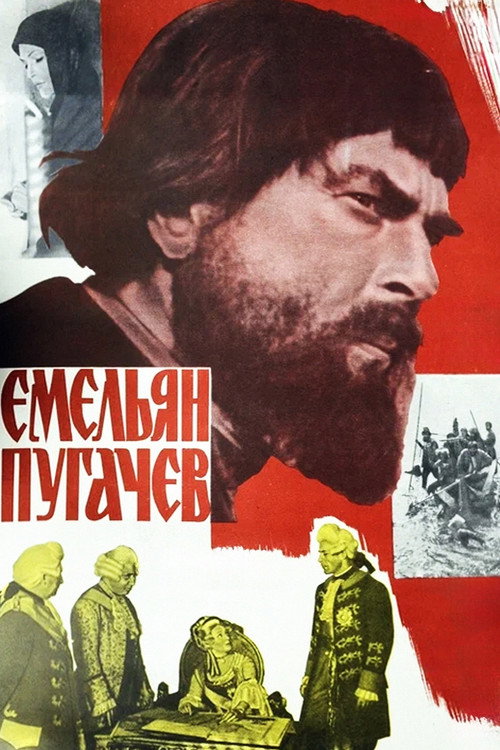
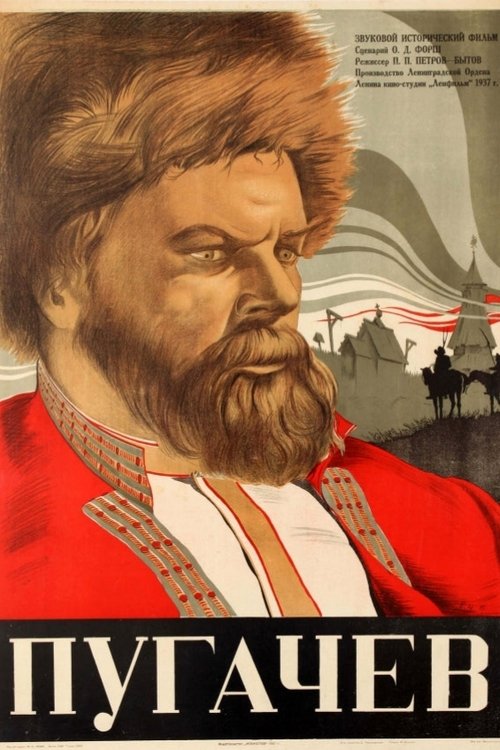
Pugachev
1979
No user ratings available yet
Representation score: 4.8 out of 10
Representation Score
Fair
1937
Director
Pavel Petrov-Bytov
Runtime
80 minutes
Average Rating
No ratings yetNew Showbiz Analysis
Pugachev (1937) is a historical drama that emphasizes class-based struggle and the critique of imperial structures over modern identity-based representation. It successfully represents cultural diversity by framing the Cossack uprising as a challenge to centralized, oppressive authority. However, the film lacks meaningful representation for LGBTQ+ individuals or people with disabilities. Its gender dynamics are heavily centered on masculine-driven political and military narratives. While the film offers a rich portrayal of ethnic and social diversity through the lens of the Russian Empire’s internal conflicts, its narrow focus on historical warfare limits its overall diversity score.
Category Breakdown
The film does not depict any non-straight relationships or same-sex intimacy. The storyline focuses solely on the historical uprising and political conflict.
The roles are dominated by masculine leadership and combat within the military struggle. The film adheres to traditional historical drama clichés without challenging gender hierarchies.
The story centers on the Cossack identity and various social classes within the Russian Empire, offering representation for diverse ethnic groups through the lens of regional conflict.
The narrative critiques traditional imperial institutions by portraying the centralized state as oppressive. It highlights class-based rebellion to dismantle monarchical hierarchies.
There is no depiction of characters with visible or invisible disabilities having significant roles. No such representations are central to the narrative.
Present on Screen
Limited or Absent
Official Synopsis
1773. The film tells the story of one of the most devastating events in the history of the Russian Empire—the Cossack uprising led by Emelyan Pugachev, which escalated into a civil war for the imperial throne, with Pugachev proclaiming himself Peter III.
1979
1928
1939

1944

1957
1951

1938
1939
No reviews yet. Be the first to share your thoughts on this movie!
Use the rating form above to leave a star rating and optional review.