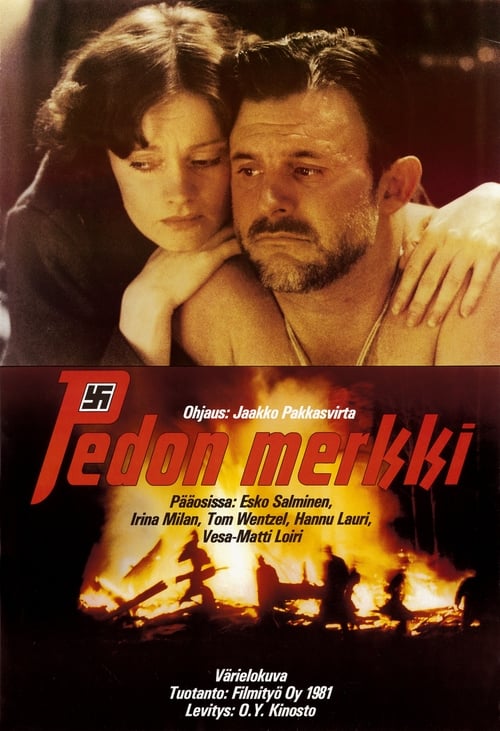
Pedon merkki
1981
No user ratings available yet
Representation score: 1.1 out of 10
Representation Score
Limited
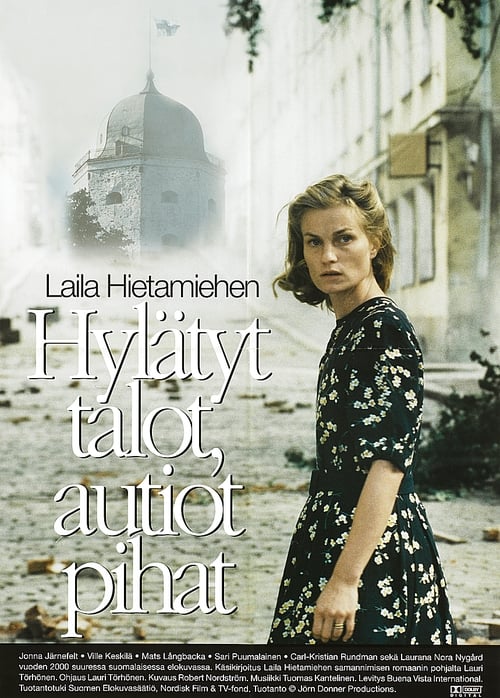
2000
Director
Lauri Törhönen
Runtime
103 minutes
Average Rating
No ratings yetNew Showbiz Analysis
Hylätyt talot, autiot pihat is a localized historical drama that focuses on the domestic consequences of war rather than battlefield action. By highlighting the experiences of women like Helmi Elisa and her grandmother, the film provides a detailed look at the emotional resilience of women during wartime displacement. However, the film stays within the confines of traditional social structures and does not explore more complex or diverse identities. It remains tied to the specific ethnic and demographic realities of mid-20th century Finland.
Category Breakdown
The film focuses on traditional family structures and does not include any non-binary or transgender characters. It also does not critique the assumption that everyone is straight or cisgender.
The story highlights the emotional strength and resilience of women during a chaotic retreat. It emphasizes their roles as protectors of their families rather than as combatants.
Set in 1944 Finland, the story is limited to the local ethnic and national context. There is no representation of different ethnicities or cultures.
The film explores the theme of losing one's home through a traditional historical tragedy. It emphasizes the importance of traditional social structures and family units for survival.
The film does not feature any characters dealing with physical, sensory, or neurological differences.
Present on Screen
Limited or Absent
Official Synopsis
In summer 1944 Finnish Karelia, Martta hastily marries Aarne before evacuating alongside newborn Hilkka’s family, Helmi Elisa and their grandmother as Soviet forces advance. Amidst chaotic retreat, the women struggle to stay united and fatefully intersect with Aarne and Arttu, but the relentless offensive exacts heavy suffering and loss on both civilians and soldiers.
1981

1977

1989

1996

1999
1979
1955

1985
No reviews yet. Be the first to share your thoughts on this movie!
Use the rating form above to leave a star rating and optional review.