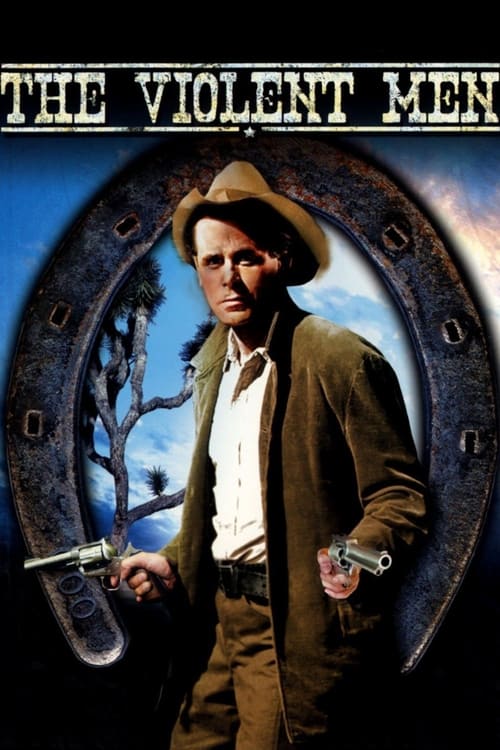
The Violent Men
1955
No user ratings available yet
Representation score: 2.6 out of 10
Representation Score
Limited
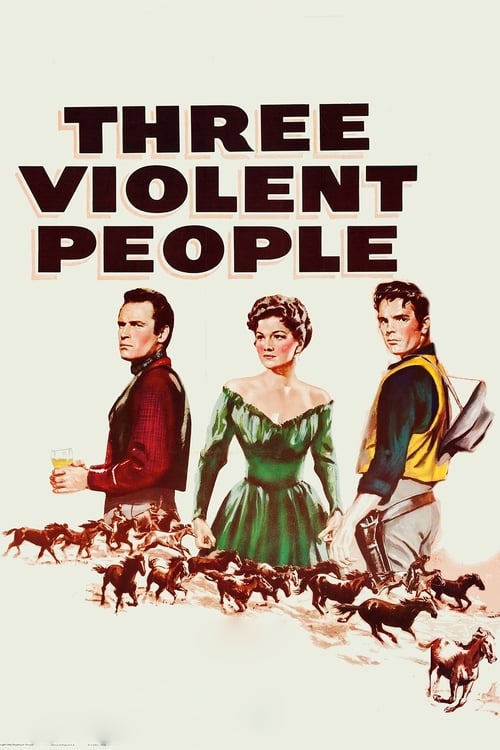
1956
NRDirector
Rudolph Maté
Runtime
100 minutes
Average Rating
No ratings yetNew Showbiz Analysis
Three Violent People is a mid-century Western that follows traditional genre conventions. It emphasizes rugged individualism and moral ambiguity over diverse identity issues. The film aligns with the demographic and social norms of 1950s Hollywood. Although it challenges the typical hero-versus-villain dynamic through its depiction of fugitives, it lacks diverse representation. Overall, the narrative centers on the tension between outlaws and the law, rather than addressing existing social hierarchies.
Category Breakdown
The film does not include any visible LGBTQ+ characters or representations of non-straight relationships. The story focuses on outlaws whose relationships revolve around survival and mutual benefit.
The film moderately challenges traditional gender roles. The female lead is actively involved in the survival struggle rather than being a passive figure.
The cast and setting are primarily homogeneous, reflecting the era's cinematic standards. There is a lack of racial diversity among the main characters.
The film explores moral relativism, blurring the lines between law and lawlessness. It portrays a world where survival shapes ethical decisions through individual resilience.
The narrative includes a one-armed brother but does not delve into the complexities of disability as part of a character's identity. The portrayal stays within the conventional boundaries of the time.
Present on Screen
Limited or Absent
Official Synopsis
A rancher, his shady bride and his one-armed brother fight amid carpetbaggers in Texas.
1955
1956
1958

1939
1958
1972
1950
1955
No reviews yet. Be the first to share your thoughts on this movie!
Use the rating form above to leave a star rating and optional review.