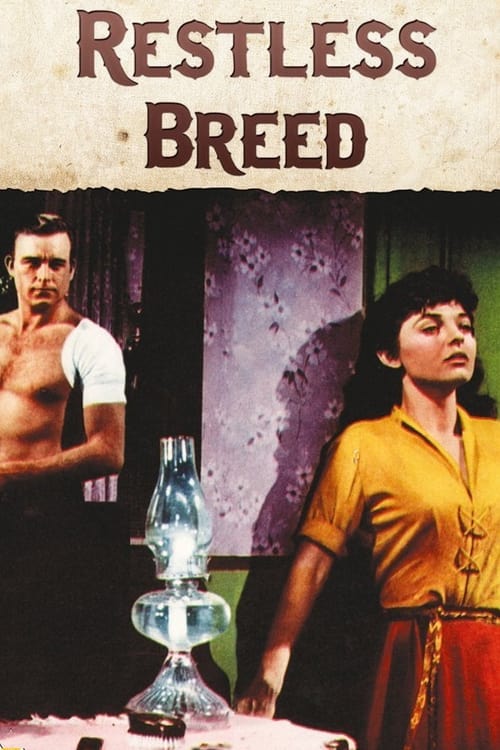
The Restless Breed
1957
No user ratings available yet
Diversity score: 1.9 out of 10
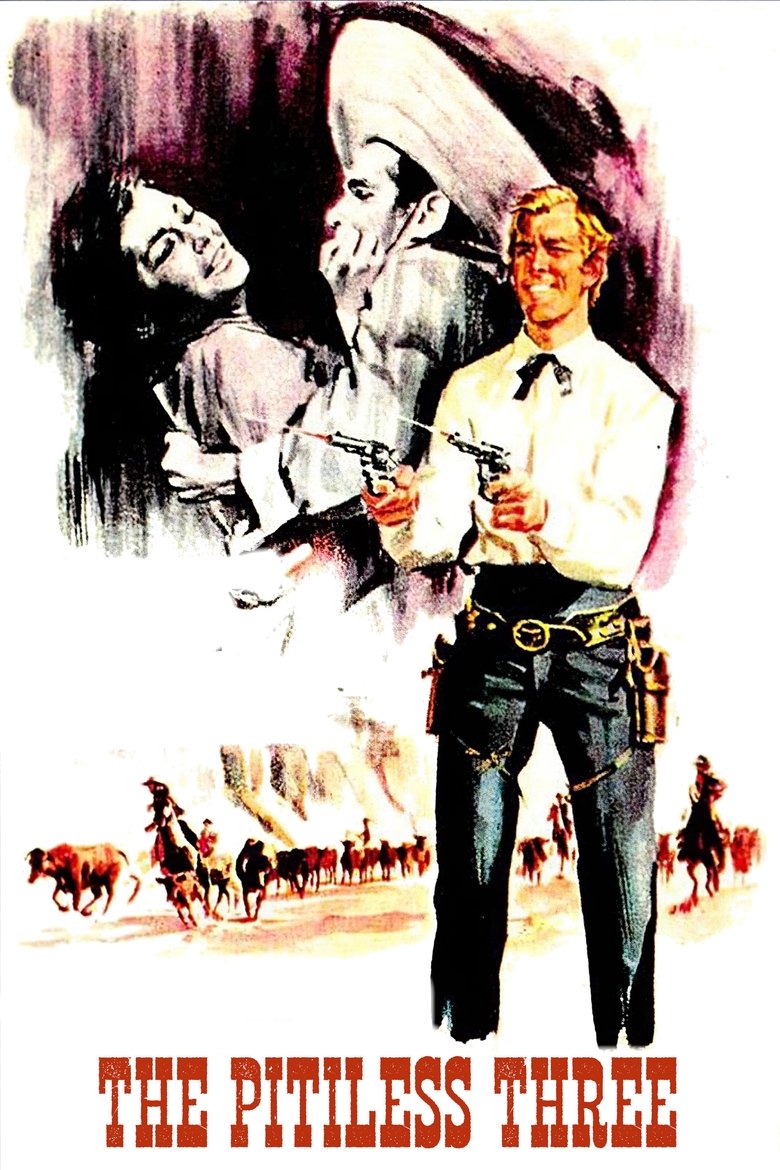
1964
Director
Joaquín Romero Marchent
Runtime
97 minutes
Average Rating
No ratings yetSynopsis
Three unequal brothers seek revenge for the murder of their father. Each of them goes a different way.
Overall Score
Limited
Category Breakdown
LGBTQ+ Representation
The film lacks LGBTQ+ characters or narratives that challenge heteronormativity. It adheres to the standard social expectations of the mid-century Western genre.
Gender Representation
The plot centers on three brothers and their pursuit of vengeance. This focus on patriarchal lineage and masculine agency reinforces traditional gender archetypes.
Racial & Ethnic Diversity
The film likely follows the Eurocentric power dynamics common to 1960s Spanish Westerns. It appears to rely on the homogeneous casting norms of the era.
Religious & Cultural Diversity
The narrative prioritizes familial honor and traditional retribution. It aligns with classical Western morality rather than exploring secularist or anti-institutional themes.
Disability Representation
There is no documented evidence of characters with physical or neurodivergent disabilities. The synopsis provides no information regarding disability representation.
Strengths
Areas for Improvement
AI Analysis
The Pitiless Three is a traditional genre piece that operates within the established cinematic conventions of 1960s European Westerns. Its narrative structure is built upon classical themes of masculine agency and familial vengeance, which reinforces existing social hierarchies rather than subverting them. The film lacks intentionality regarding intersectional representation. By focusing on the pursuit of revenge for a murdered patriarch, the story prioritizes traditional notions of honor and patriarchal lineage over diverse perspectives. Ultimately, the work functions as a standard period piece. It adheres to the homogeneous casting and social expectations prevalent in the mid-20th century Western landscape.
1957
1931

1965
1954
1940
1963

1934
1953
1935
1966
1950

1956
No reviews yet. Be the first to share your thoughts on this movie!
Use the rating form above to leave a star rating and optional review.