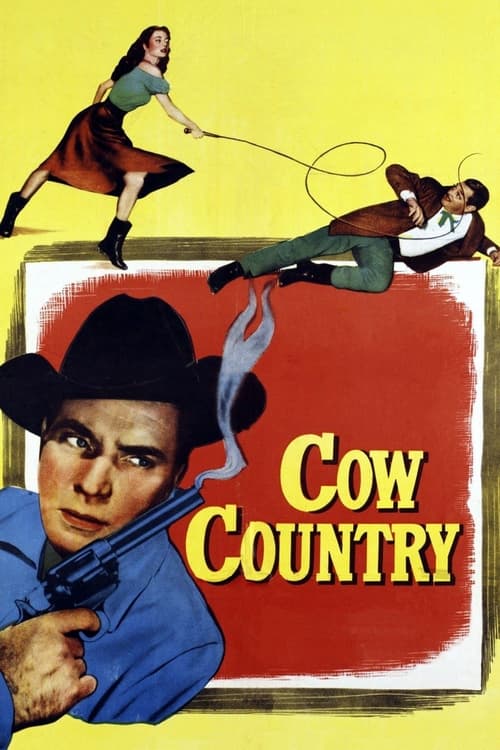
Cow Country
1953
No user ratings available yet
Representation score: 0.6 out of 10

Representation Score
Minimal
1954
NRDirector
Allan Dwan
Runtime
88 minutes
Average Rating
No ratings yetNew Showbiz Analysis
The film stands out for its gendered narrative architecture, granting a female lead autonomy and command over a cattle ranch. This subverts the typical cliché of the passive female in Westerns. However, the work is deeply anchored in the traditionalist values of the 1950s. It prioritizes the stability of Western institutions and a homogeneous social structure, lacking multi-layered complexity. Ultimately, the film reflects a culturally monolithic frontier, focusing on the protection of property and the enforcement of established legal hierarchies.
Category Breakdown
The film does not include any identifiable LGBTQ+ characters or narratives. The social landscape focuses solely on traditional domestic and romantic relationships.
Sierra Nevada Jones subverts gender hierarchies by having significant economic and legal authority. She leads a large ranch, though her authority operates within existing patriarchal legal structures.
The cast is predominantly white and homogeneous, reflecting the production standards of 1954. There are no non-Anglo-Saxon characters in positions of power or influence.
The narrative emphasizes traditional Western institutions such as private property and legal recourse. It celebrates maintaining order and ownership within the frontier system without critiquing expansionism.
There are no visible or invisible disabilities portrayed. Characters are depicted through standard archetypes of physical competence required for the Western genre.
Present on Screen
Limited or Absent
Official Synopsis
Sierra Nevada Jones must fight a villainous rancher to regain the land that is rightfully hers.
1953
1960
1947
1939
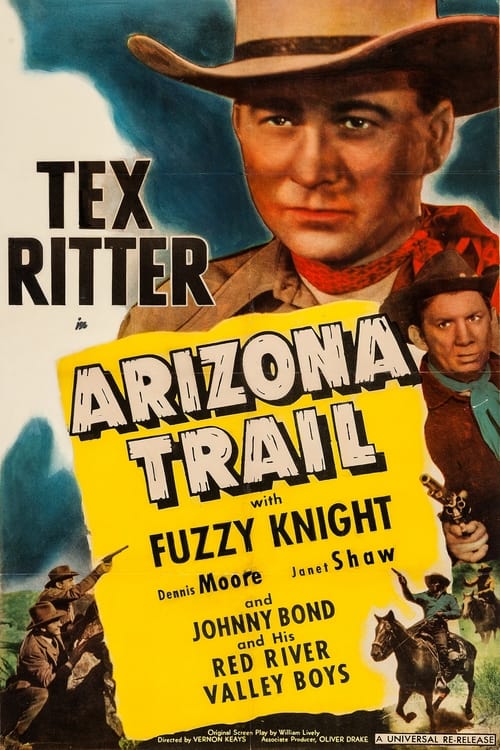
1943
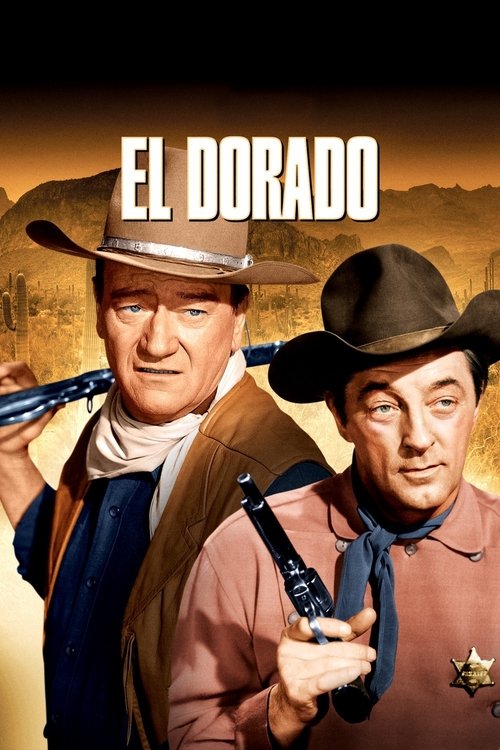
1966
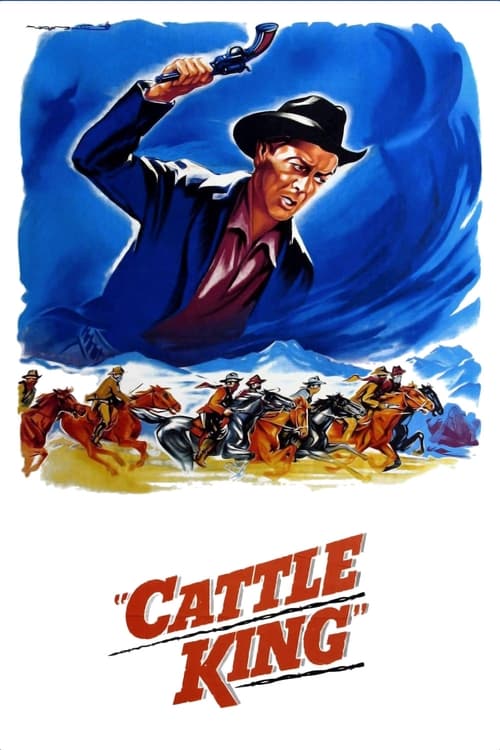
1963
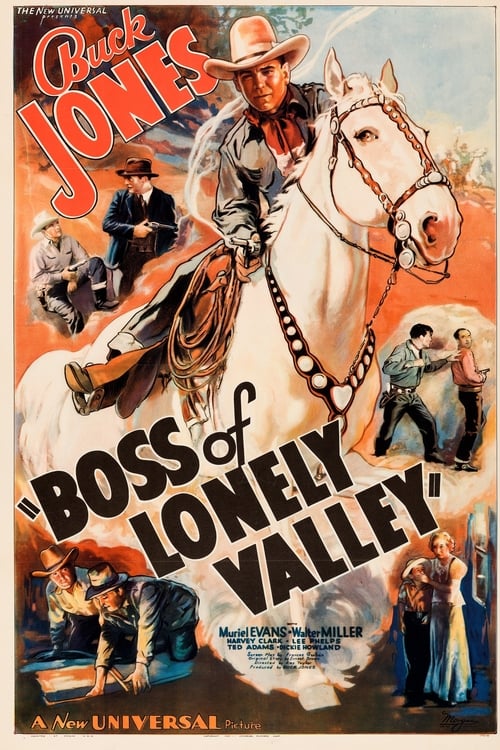
1937
No reviews yet. Be the first to share your thoughts on this movie!
Use the rating form above to leave a star rating and optional review.