The Dawn Trail
1930
No user ratings available yet
Representation score: 1.4 out of 10
Representation Score
Minimal
1930
PassedDirector
J.P. McGowan, Alan James
Runtime
57 minutes
Average Rating
No ratings yetNew Showbiz Analysis
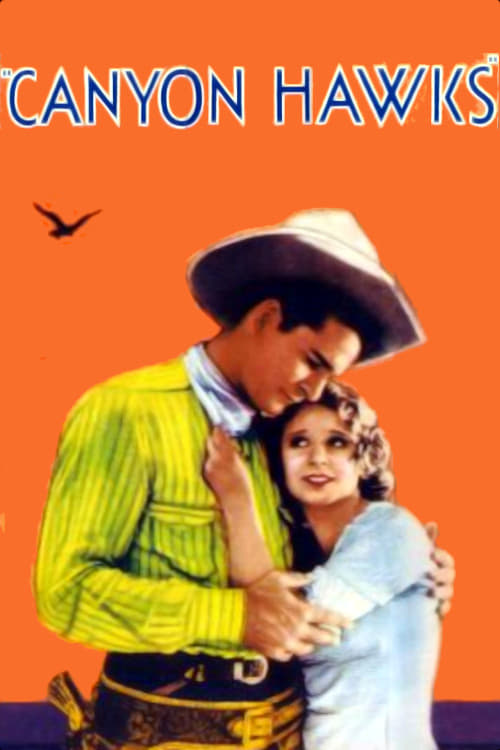
Canyon Hawks is a standard genre piece from the early sound era that reinforces traditional social hierarchies. The plot is driven by land ownership and frontier mythology, which centers on established power structures rather than challenging them. The film lacks complexity in how it addresses multiple aspects of identity, relying on conventional clichés of male dominance and territorial expansion. Gender dynamics are defined by male benevolence, and the cultural focus remains strictly within the framework of 1930s Western expansionism. Ultimately, the work operates within the homogeneous demographic norms of its time, offering little disruption to the status quo of the American West.
Category Breakdown
The film focuses on a traditional romantic relationship between Benson and Mildred, adhering to standard heterosexual clichés without exploring non-binary or transgender identities.
Benson holds primary economic and territorial control as the landowner. While Mildred receives land deeds, this control comes from male benevolence rather than her own independent power.
The conflict centers on cattlemen and land rights, reflecting the homogeneous Anglo-Saxon perspectives common in early Western films. No diverse ethnic groups are represented.
The narrative reinforces traditional Western values of individualism and territorial expansion. It focuses on establishing order through legal property frameworks.
There is no mention of characters with visible or invisible disabilities within the narrative.
Present on Screen
Limited or Absent
Official Synopsis
Cattleman Benson finds Mildred and her brother George living in one of his cabins and their sheep are on his land. Attracted to Mildred, he not only lets her stay, he deeds part of his land to her. This leads to trouble with the other cattlemen.
1930
1940
1935
1930
1931
1930
1934
1934
No reviews yet. Be the first to share your thoughts on this movie!
Use the rating form above to leave a star rating and optional review.