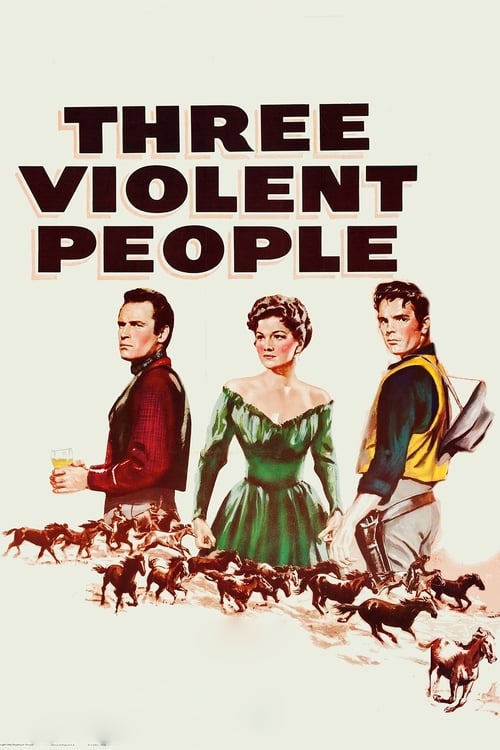
Three Violent People
1956
No user ratings available yet
Representation score: 3.2 out of 10
Representation Score
Limited
1955
NRDirector
Rudolph Maté
Runtime
96 minutes
Average Rating
No ratings yetNew Showbiz Analysis
This film is a typical Western from the 1950s, reinforcing the social and gender hierarchies of the time. It centers on male-driven conflicts of honor and violence. Subplots involving infidelity follow traditional melodramatic formulas without challenging patriarchal structures. underrepresented groups are minimally represented. Characters with disabilities and ethnic backgrounds are used primarily as plot devices rather than as fully developed individuals.
Category Breakdown
The film doesn't include any non-cisgender identities or same-sex relationships. The main character's relationship with his fiancée is the central focus.
The story revolves around male-driven conflicts and physical confrontations. Women are mainly seen as catalysts for male actions or within domestic dramas, without the independent roles needed to drive the main plot.
The cast is predominantly white, reflecting the era's standards. A Mexican woman is mentioned, but her role is minor compared to the central power struggles.
The story follows traditional Western values and focuses on the moral complexities of justice. It doesn't challenge institutions or capitalism, concentrating instead on the ambiguous nature of justice.
A disabled person is mentioned, but their role is primarily to set up the protagonist's dilemma. The disability isn't explored in depth or as part of a complex identity.
Present on Screen
Limited or Absent
Official Synopsis
A former Union Army officer plans to sell out to Anchor Ranch and move east with his fiancée, but the low price offered by Anchor's crippled owner and the outfit's bullying tactics make him reconsider. When one of his hands is murdered he decides to stay and fight, utilizing his war experience. Not all is well at Anchor with the owner's wife carrying on with his brother who also has a Mexican woman in town.
1956
1956
1956
1966
1957
1959
1964
1957
No reviews yet. Be the first to share your thoughts on this movie!
Use the rating form above to leave a star rating and optional review.