The Phantom of the Opera
1983
No user ratings available yet
Representation score: 2.4 out of 10
Representation Score
Limited
1976
Director
Alan Cooke
Runtime
100 minutes
Average Rating
No ratings yetNew Showbiz Analysis
This 1976 adaptation of Victor Hugo's novel primarily follows traditional historical and dramatic frameworks. While it addresses themes of systemic oppression and the tension between individuals and institutions, it lacks modern multi-layered complexity. The production adheres to conventional approaches to period casting and romantic structures, without seeking to subvert demographic norms or provide a progressive lens on the characters' identities.
Category Breakdown
The film does not depict any non-binary gender identities or same-sex relationships. It sticks closely to traditional romantic storylines.
The film relies on conventional gender roles and hierarchies, without challenging the dominance of masculine leadership.
Set in a specific European context, the film does not include actors from diverse racial backgrounds. Casting follows traditional period-specific norms.
The narrative focuses on an individual's struggle against the Church and State, critiquing institutional power. However, it does not explicitly promote secular or anti-capitalist ideas.
The protagonist's physical disability drives the plot, but it may be used to evoke sympathy rather than explore the character's experiences.
Present on Screen
Limited or Absent
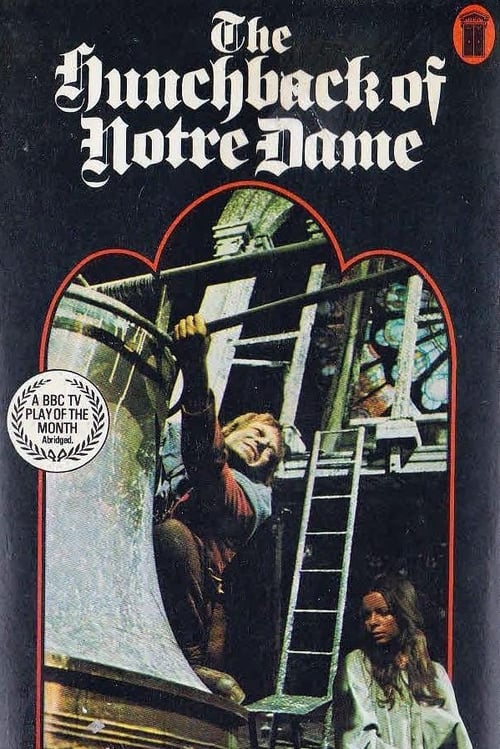
Official Synopsis
TV-movie version of the Victor Hugo novel.
1983
1923
1997
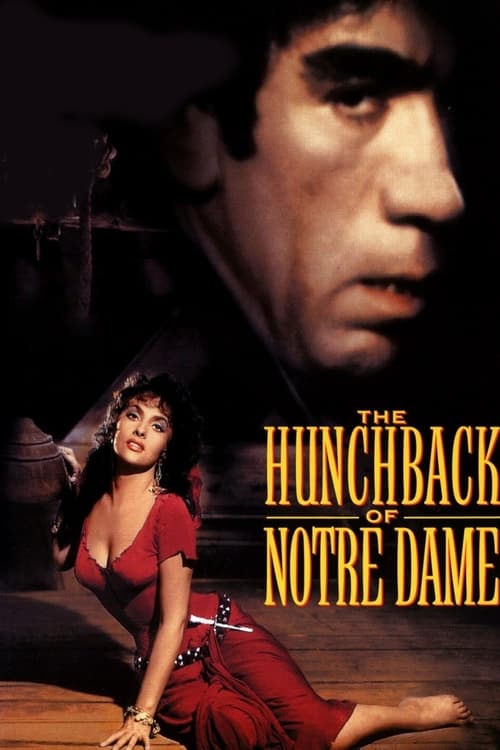
1956
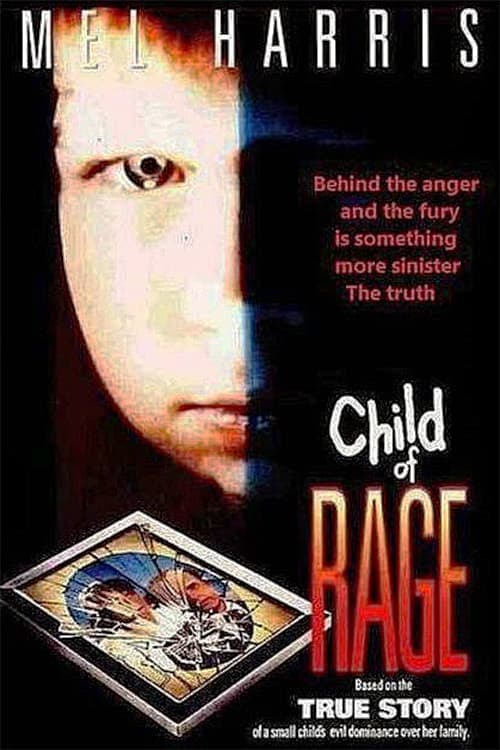
1992
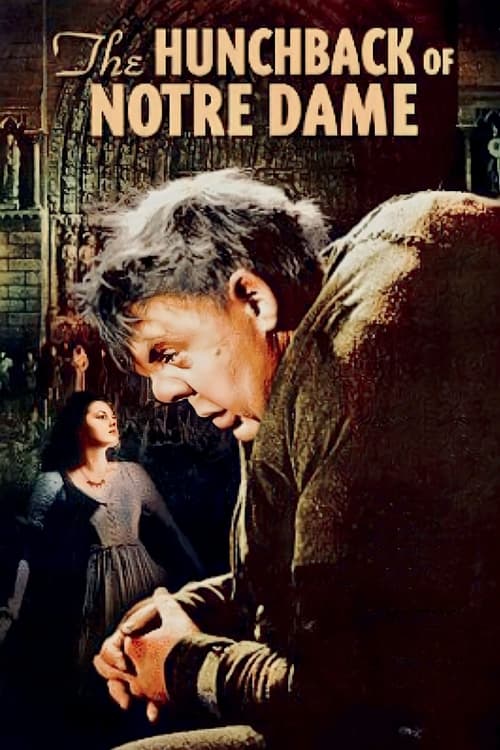
1939
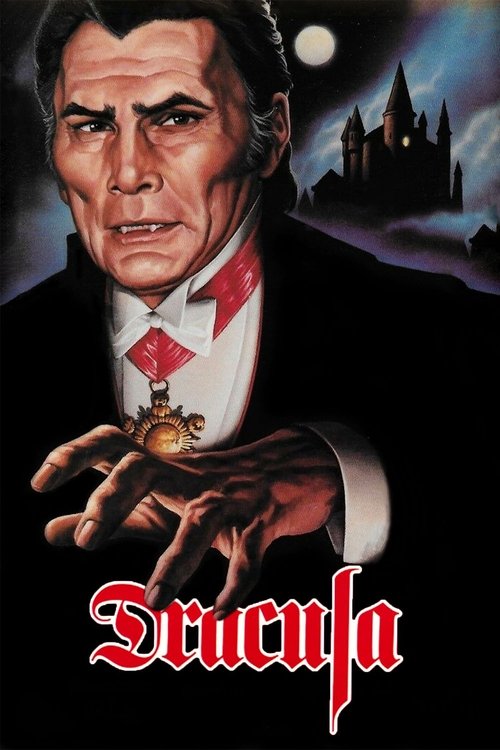
1974
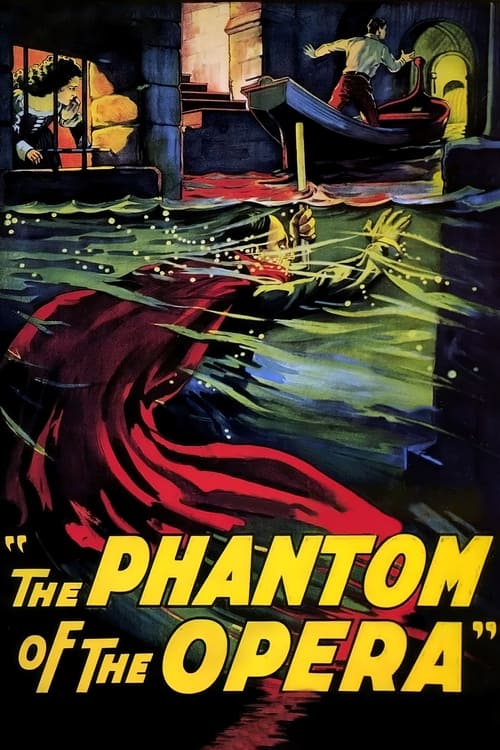
1925
No reviews yet. Be the first to share your thoughts on this movie!
Use the rating form above to leave a star rating and optional review.