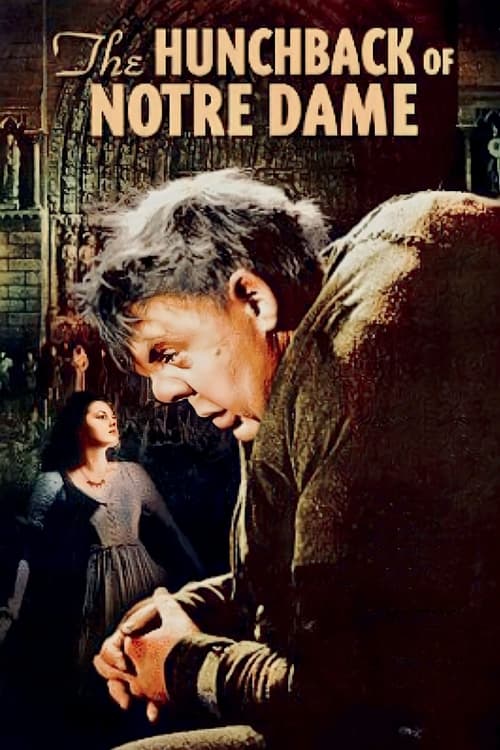
The Hunchback of Notre Dame
1939
No user ratings available yet
Representation score: 6.4 out of 10
Representation Score
Fair
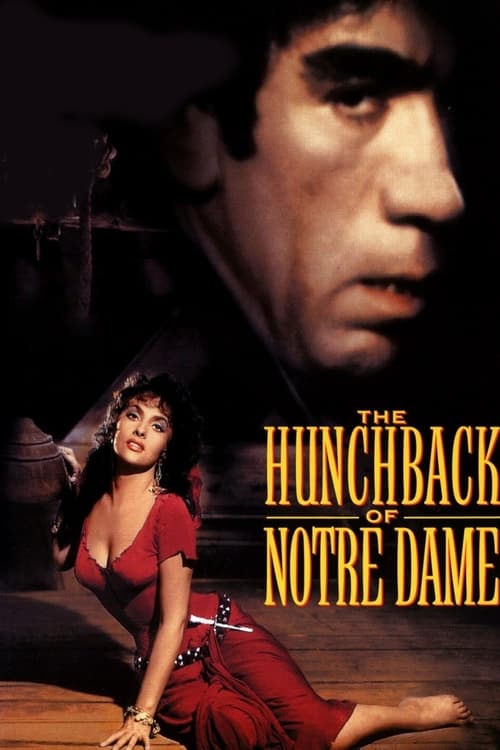
1956
PGDirector
Jean Delannoy
Runtime
115 minutes
Average Rating
No ratings yetNew Showbiz Analysis
Jean Delannoy’s production is a period tragedy that examines the friction between institutional power and underrepresented groups. It succeeds in critiquing the corruption of religious and judicial authorities, providing a nuanced look at systemic cruelty. However, the film is heavily constrained by the social hierarchies of its era. The narrative is driven by a masculine perspective, leaving the female protagonist with limited independent influence. While the film offers a meaningful study of social stratification and disability, it remains anchored in traditional, straight-centered, and gendered frameworks.
Category Breakdown
The film focuses solely on heterosexual relationships and does not include any LGBTQ+ identities or same-sex intimacy.
Esmeralda primarily serves as a catalyst for male conflict and an object of desire. Her role reinforces traditional gender roles where femininity is defined by male pursuit.
The story explores ethnic otherness through the Romani community. These depictions lean into the 'exotic outsider' cliché common to the period's dramatic conventions.
The film critiques religious hypocrisy through Frollo's character. It challenges the sanctity of medieval institutions by portraying them as sources of systemic oppression.
Quasimodo’s deformity serves as a lens for exploring social ostracization. The film provides him with emotional depth despite using his condition as a tragic plot device.
Present on Screen
Limited or Absent
Official Synopsis
In 1482 Paris, Frollo, Chief Justice of benevolent King Louis XI, becomes infatuated by the beauty of Esmeralda, a young Romani girl. The hunchback Quasimodo, Frollo's protégé and bell-ringer of Notre Dame, lives in peace among the bells in the heights of the immense cathedral until he's involved by the twisted magistrate in his malicious plans to free himself from Esmeralda's alleged spell, which he believes to be the Devil's work.
1939
1923
1976
1926

1982
1928
1972
1925
No reviews yet. Be the first to share your thoughts on this movie!
Use the rating form above to leave a star rating and optional review.