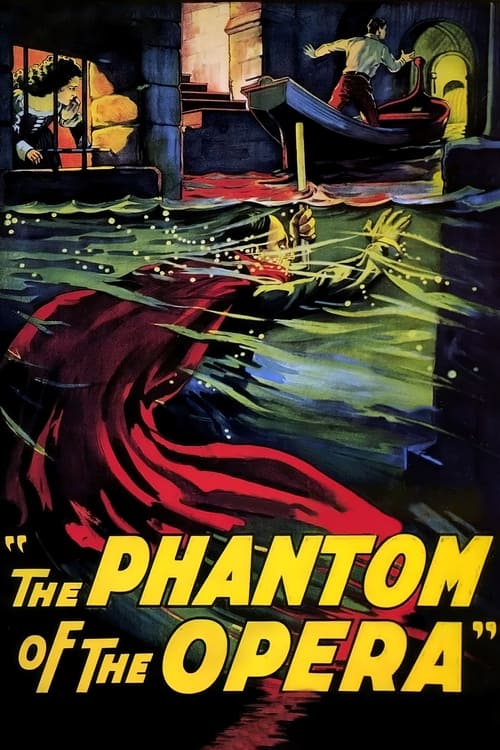
The Phantom of the Opera
1925
No user ratings available yet
Representation score: 1.8 out of 10

Representation Score
Limited
1983
NRDirector
Robert Markowitz
Runtime
96 minutes
Average Rating
No ratings yetNew Showbiz Analysis
This production functions as a traditional period piece that emphasizes Gothic clichés over contemporary narrative subversion. It reinforces the conventional gender and racial dynamics of the 19th century. The narrative focuses on the romanticization of the 'other' through tragedy rather than empowering diverse identities. This approach upholds historical realism while avoiding a critical examination of social hierarchies. Ultimately, the film operates within established Victorian power structures, centering male obsession and traditional romantic arcs.
Category Breakdown
The film does not depict any non-straight or non-cisgender identities. There is no same-sex intimacy or representation of LGBTQ+ individuals.
Christine is the main character, but her role is limited by male characters' obsessions. She is primarily seen as an object of desire rather than an active participant in the story.
The cast is mainly white and Anglo-Saxon, lacking diverse ethnic backgrounds. The film presents a homogeneous view of the era.
The film highlights the socioeconomic tension between the rich and the isolated Phantom. However, it does not critically examine Western institutions, focusing instead on personal romantic tragedy.
The Phantom's physical disfigurement is central to the plot, but it risks reinforcing the 'tragic monster' stereotype. The film does not represent neurodivergent or non-visible disabilities.
Present on Screen
Limited or Absent
Official Synopsis
The Budapest Opera House's diva commits suicide after the owner ruins her career for having rejected his advances but her conductor-husband, believed killed in a fire, plans his revenge on all those he deems responsible for her suicide.
1925
1962

1943
1971
1977

1974
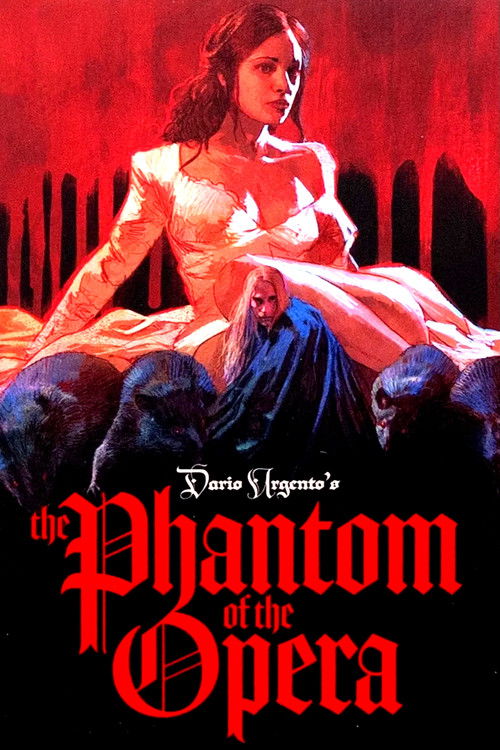
1998
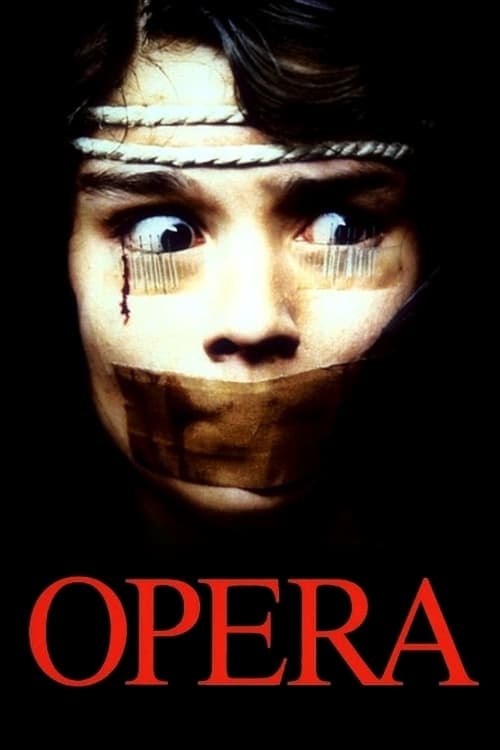
1987
No reviews yet. Be the first to share your thoughts on this movie!
Use the rating form above to leave a star rating and optional review.