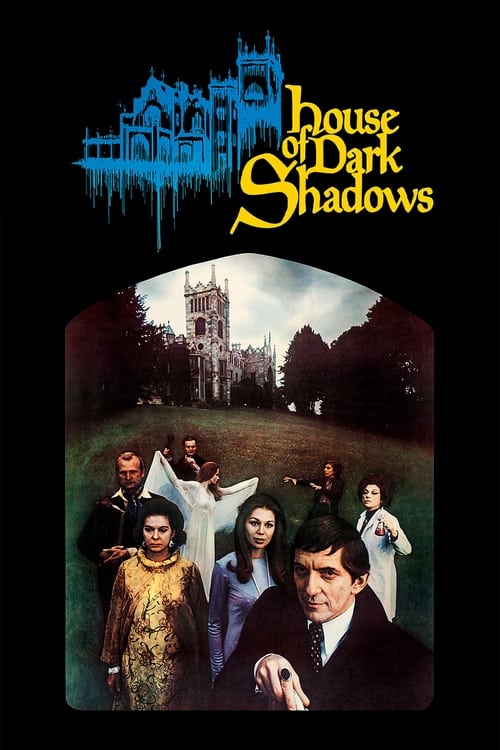
House of Dark Shadows
1970
No user ratings available yet
Representation score: 1.6 out of 10

Representation Score
Minimal
1974
TV-14Director
Dan Curtis
Runtime
98 minutes
Average Rating
No ratings yetNew Showbiz Analysis
Dracula (1974) is a traditional period piece that upholds classic moral absolutes and social structures. The narrative reinforces established hierarchies without challenging them. The production stays true to the historical and geographic context of the source material, resulting in a culturally monolithic presentation without diverse ethnic perspectives. The film ultimately reinforces conventional roles and moral absolutes, presenting traditional structures like family and religion as essential defenses against chaos.
Category Breakdown
The story focuses on traditional romantic dynamics centered around a male character's fixation on a woman. There are no characters with non-straight or non-cisgender identities.
Women in the film serve mainly as objects of pursuit or protection. Their roles are often reactive to the actions of male characters and the antagonist.
The cast is composed entirely of European actors, reflecting the historical setting without any diverse ethnic perspectives or color-blind casting.
The film emphasizes traditional Western religious values and moral absolutes. The conflict is portrayed as a clear-cut battle between good and evil within established social norms.
There are no significant depictions of neurodivergence or physical disabilities. Characters are characterized by their physical strength and archetype rather than by nuanced explorations of disability.
Present on Screen
Limited or Absent
Official Synopsis
Dracula is searching for a woman who looks like his long dead wife.
1970
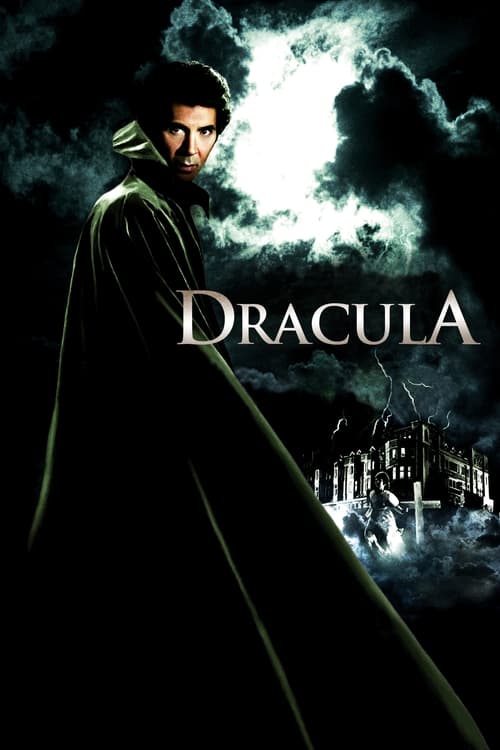
1979
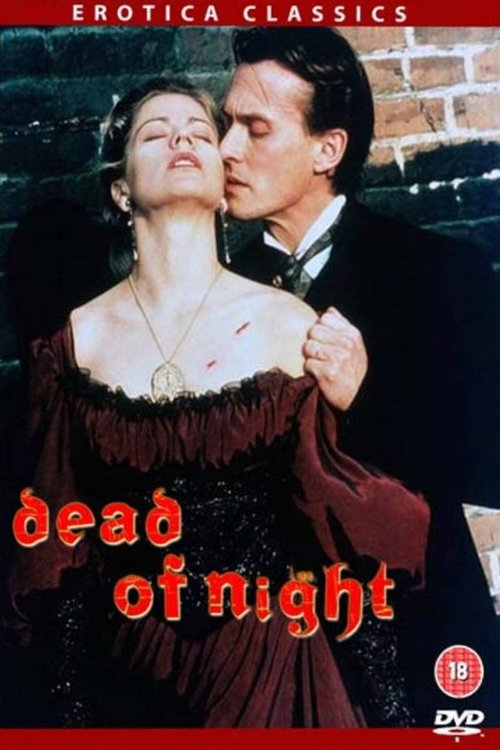
1996
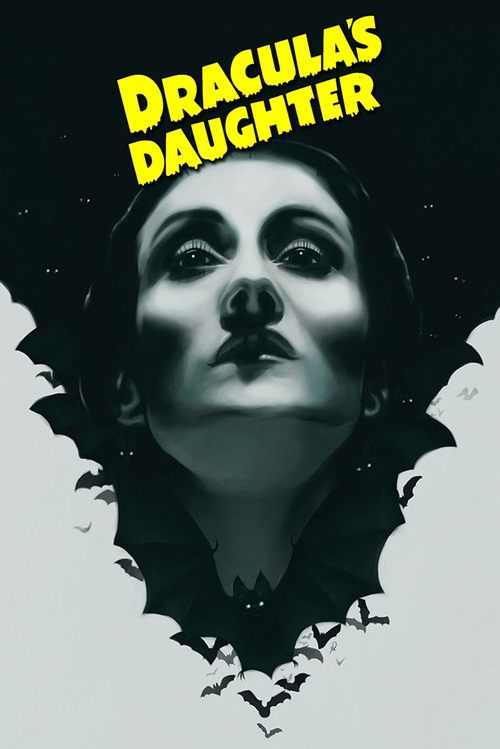
1936
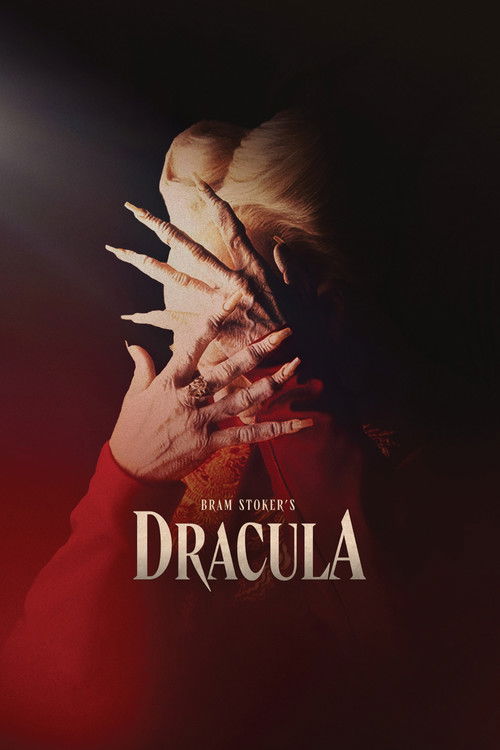
1992
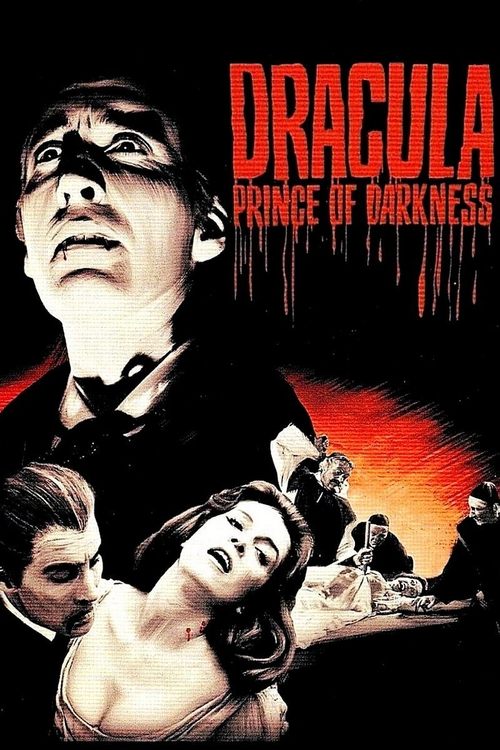
1966
2009
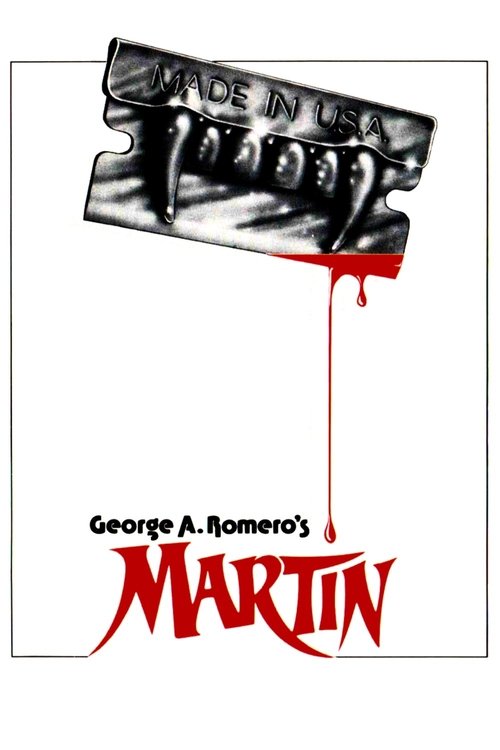
1978
No reviews yet. Be the first to share your thoughts on this movie!
Use the rating form above to leave a star rating and optional review.