
The Mermaid Chair
2006
No user ratings available yet
Diversity score: 4.8 out of 10
1997
Not RatedDirector
Peter Medak
Runtime
98 minutes
Average Rating
No ratings yetSynopsis
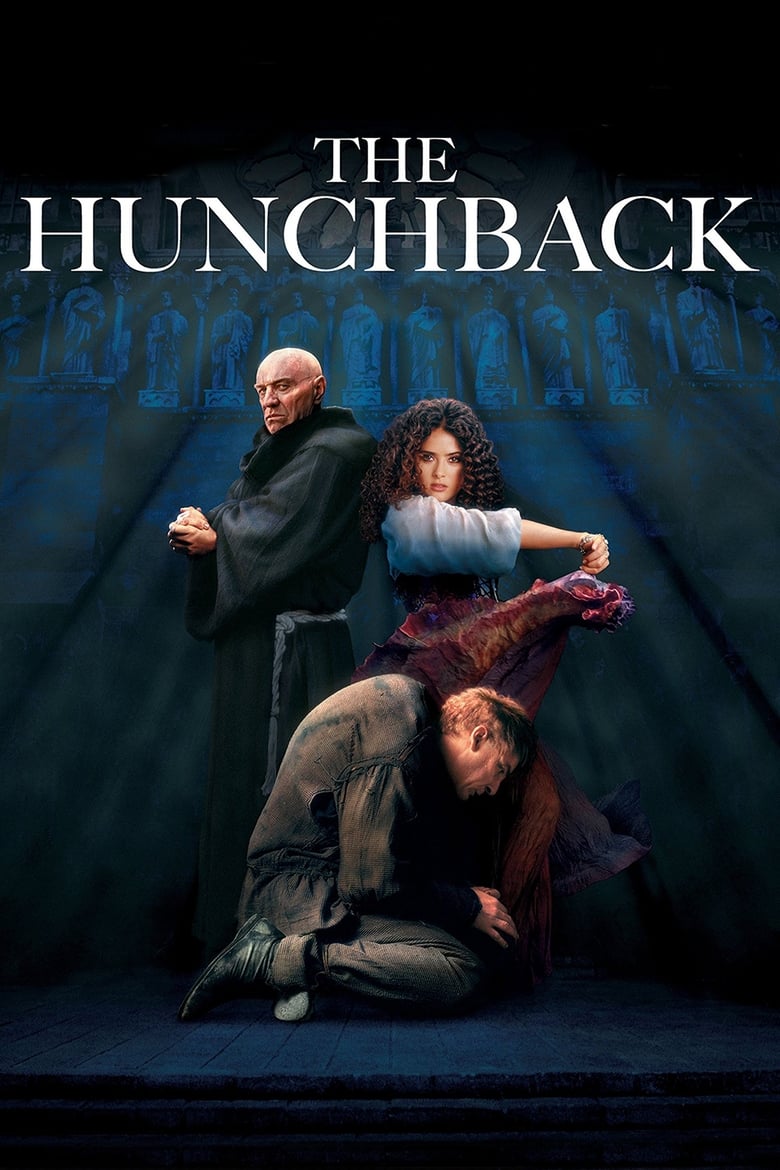
Based on Victor Hugo's famed novel, the story of Quasimodo, the deformed bell ringer of Notre Dame, and his unrequited love for the gypsy girl, Esmeralda.
Overall Score
Fair
Category Breakdown
LGBTQ+ Representation
The film follows a traditional romantic framework centered on heteronormative dynamics. There is no explicit evidence of same-sex intimacy or non-cisnormative gender identities within this production.
Gender Representation
Esmeralda provides a moderate level of agency as a marginalized figure. However, she often functions as a catalyst for male conflict rather than driving the systemic plot herself.
Racial & Ethnic Diversity
The inclusion of Esmeralda as a Romani character introduces an ethnic outsider element. This explores the tension between a marginalized group and the dominant Parisian social order.
Religious & Cultural Diversity
The story critiques the cruelty of established Western institutions like the Church. It explores the friction between outsiders and the legal systems of medieval France.
Disability Representation
Quasimodo’s physical disability is central to the narrative. While he possesses emotional depth, the film risks using his deformity primarily to evoke pathos through the tragic outsider trope.
Strengths
Areas for Improvement
AI Analysis
This adaptation of Victor Hugo’s classic remains rooted in traditional period drama tropes. While it features characters from marginalized backgrounds, the narrative structure prioritizes classical tragedy over progressive representation. The film succeeds in centering characters who exist on the fringes of society, such as the Romani Esmeralda and the physically disabled Quasimodo. These elements provide a foundation for exploring social exclusion and institutional cruelty. However, the production lacks intentionality regarding modern intersectional identities. It relies heavily on established historical archetypes, often tethering female agency to romantic motivations and using disability as a tool for emotional pathos.
2006
1998

1998

1982
No reviews yet. Be the first to share your thoughts on this movie!
Use the rating form above to leave a star rating and optional review.