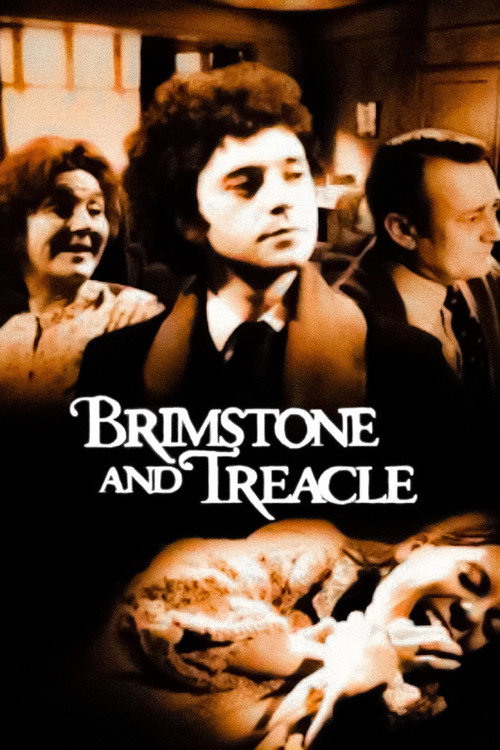
Brimstone and Treacle
1976
No user ratings available yet
Representation score: 5.9 out of 10
Representation Score
Limited
1992
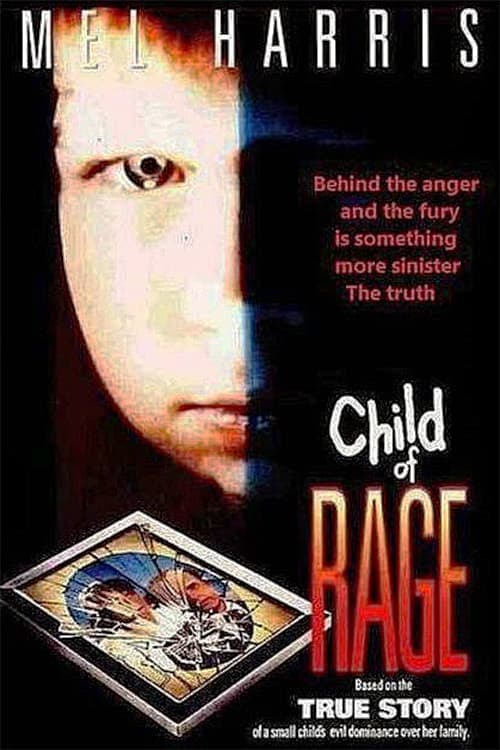
Not RatedDirector
Larry Peerce
Runtime
94 minutes
Average Rating
No ratings yetNew Showbiz Analysis
Child of Rage is a psychological character study that highlights the restorative power of religious and psychological institutions. It offers a nuanced exploration of neurodivergence and the complexities of trauma, going beyond simple clichés to delve into the protagonist's inner world. However, the film remains firmly rooted in traditional social frameworks. It lacks diversity, relying on a predominantly white cast and conventional family structures. This limits its progressive impact despite its depth in addressing psychological disabilities. Ultimately, the narrative aims to mend broken social bonds and restore familial order.
Category Breakdown
The film does not include any LGBTQ+ characters or stories. It focuses solely on traditional family structures and adoptive relationships.
The female protagonist plays a significant role in driving the story, but her actions are portrayed as problematic. The film emphasizes traditional caregiver roles through both the father and mother figures.
The cast is primarily white, reflecting the historical context of the biographical subject. There is no intentional blending of diverse backgrounds.
The story unfolds within traditional Western and religious settings. It frames anti-social behavior as a clinical issue to be treated rather than a social rebellion.
The film provides a detailed look at Reactive Attachment Disorder. It avoids stereotypes by focusing on the protagonist's internal psychological struggles.
Present on Screen
Limited or Absent
Official Synopsis
A priest and his wife adopt a brother and sister, but the girl has terrible outbursts of rage. They get her in treatment and try to find out the reason for this.
1976
1965

1988

1956
1972
1988

2008

2007
No reviews yet. Be the first to share your thoughts on this movie!
Use the rating form above to leave a star rating and optional review.