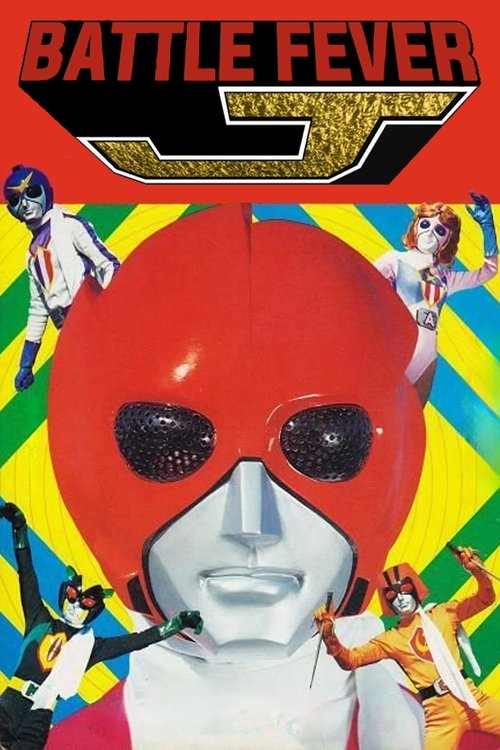
Battle Fever J: The Movie
1979
No user ratings available yet
Representation score: 2.0 out of 10
Representation Score
Minimal
1981
Director
Minoru Yamada
Runtime
46 minutes
Average Rating
No ratings yetNew Showbiz Analysis
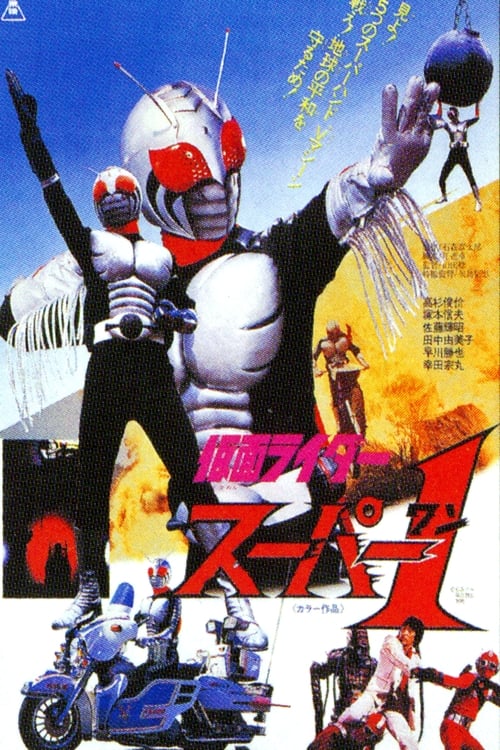
Kamen Rider Super-1: The Movie is a classic 1980s tokusatsu film that centers on high-stakes action and traditional heroic archetypes. The story revolves around a conflict between the Matagi mountain tribe and the Dogma Kingdom, clearly distinguishing between good and evil. While the film offers cultural specificity through its portrayal of the Matagi tribe, it remains anchored in traditional social hierarchies. The narrative structure reinforces conventional gender power dynamics and lacks complexity regarding social or identity-based issues. Overall, the film upholds the status quo, favoring clear moral boundaries and traditional heroism over challenging social or identity-based hierarchies.
Category Breakdown
The film does not feature any LGBTQ+ characters or explore non-straight relationships. It adheres to a traditional framework where queer dynamics are not addressed.
The male protagonist, Kamen Rider Super-1, holds most of the ability to act in the story. Female characters mainly support the plot, often appearing as civilians in need of protection.
The cast is predominantly Japanese, reflecting the localized setting of the genre. Though it lacks significant racial diversity, it avoids harmful stereotypes through its focus on the Matagi tribe.
The narrative upholds traditional social structures and moral binaries. It emphasizes the hero's role as a protector of the status quo and stability.
There are no characters with visible or invisible disabilities who have ability to act. Disability is not a central theme in the narrative.
Present on Screen
Limited or Absent
Official Synopsis
The Dogma Kingdom attacks the Matagi (mountain tribe) village of Yamabiko to steal the sacred Flying Dragon Fortress and wreak havoc all over Japan. Six children from the fallen village take refuge in a nearby town, keeping their identities as Matagi citizens a secret. Kamen Rider Super-1 must protect these children from the Dogma Kingdom, as they hold the secret to the Flying Dragon Fortress' weakness.
1979
1991
1980
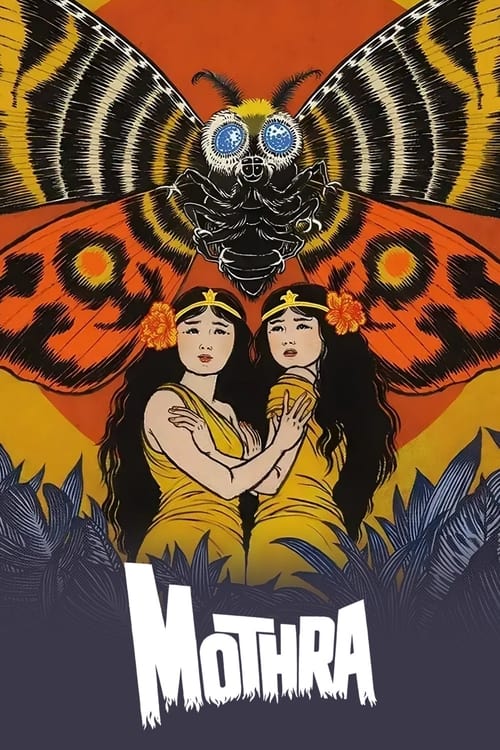
1961
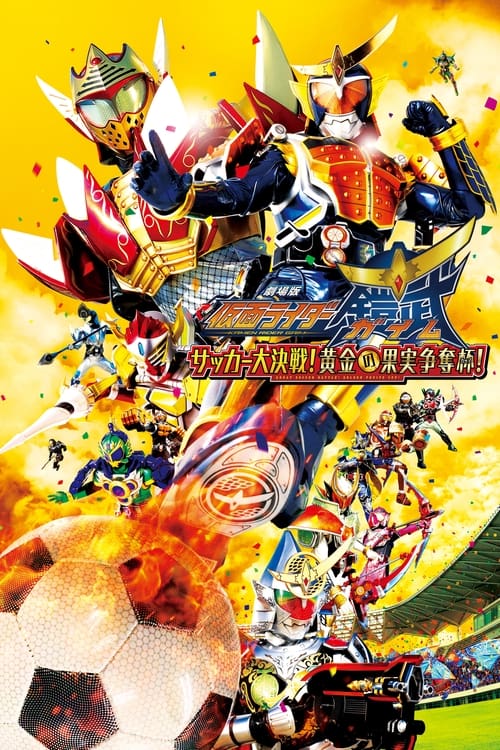
2014
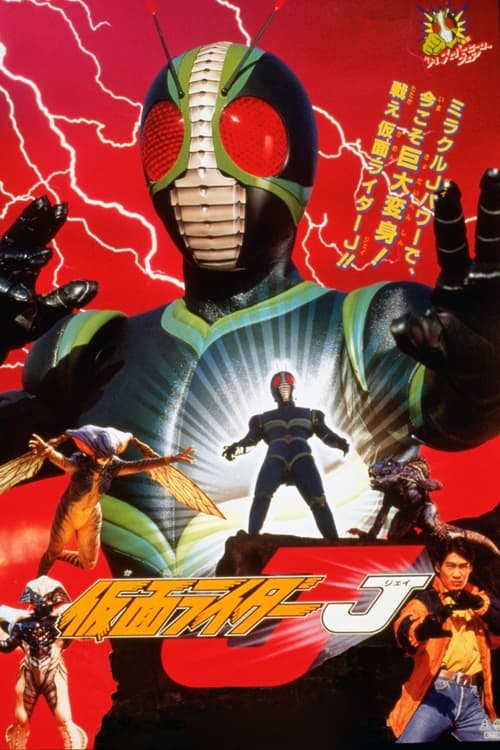
1994
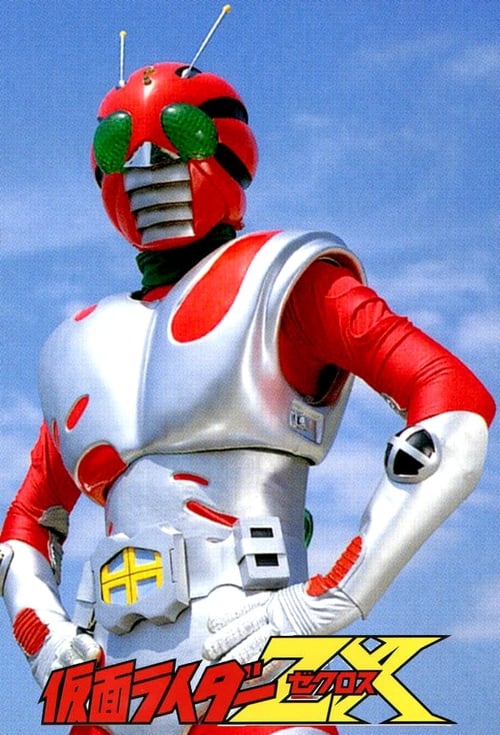
1984
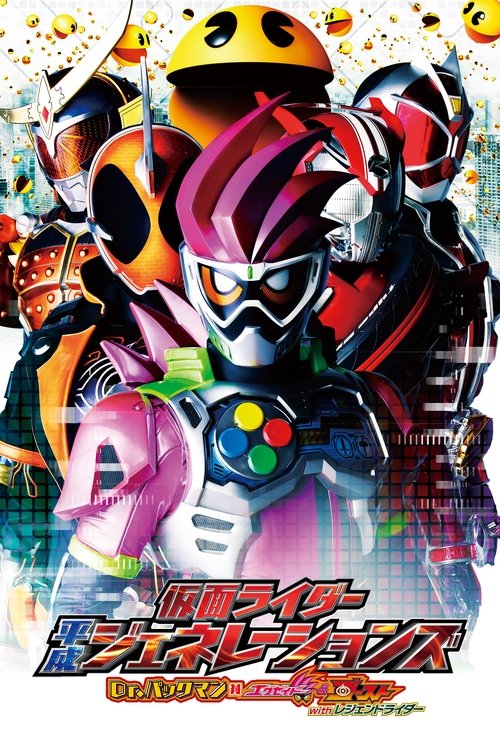
2016
No reviews yet. Be the first to share your thoughts on this movie!
Use the rating form above to leave a star rating and optional review.