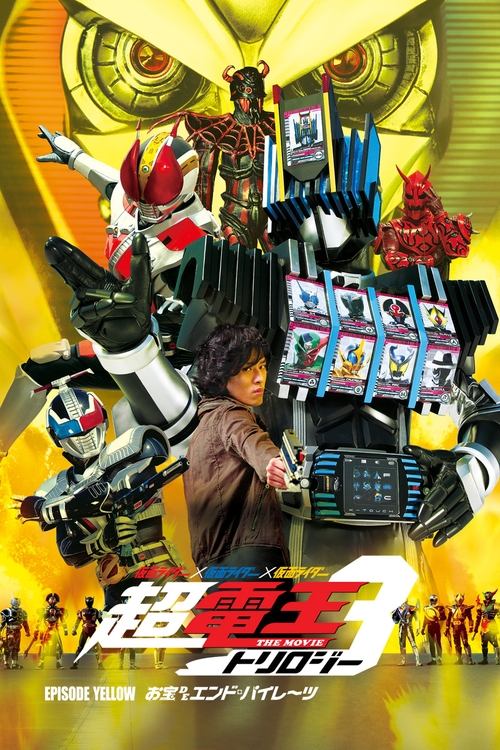
Super Kamen Rider Den-O Trilogy - Episode Yellow: Treasure de End Pirates
2010
No user ratings available yet
Representation score: 3.9 out of 10
Representation Score
Limited
2007
Director
Takao Nagaishi
Runtime
69 minutes
Average Rating
No ratings yetNew Showbiz Analysis
The film functions as a classic genre piece that prioritizes traditional heroic clichés and narrative continuity. It maintains the stability of its universe through established archetypes and conventions. Since the story centers on protecting the status quo, it does not challenge social hierarchies or demographic norms. Character dynamics reinforce conventional social and gendered expectations. Ultimately, the production adheres to the structural requirements of mid-2000s Tokusatsu, favoring high-action heroics over the disruption of demographic or cultural norms.
Category Breakdown
The film follows traditional structures that assume everyone is straight and cisgender. There is no representation of non-binary or LGBTQ+ identities or same-sex relationships.
Male characters hold primary roles in the story, with female characters providing essential support. However, the film adheres to traditional gender roles where men lead and women support.
The cast is mostly uniform, reflecting the specific cultural context of the film. The narrative focuses on time travel mechanics rather than interactions between different ethnicities.
The story emphasizes the importance of preserving the status quo and protecting humanity. It operates within a binary moral framework focused on safeguarding society.
Memory loss is used as a high-stakes plot device, framed as a crisis to be resolved rather than explored as a nuanced aspect of lived experience.
Present on Screen
Limited or Absent
Official Synopsis
With Gaoh having stolen the DenLiner and trapping the Imagins onboard, Ryotaro and Hana find themselves trapped in the year 2000 where they meet Ryotaro’s younger self, but Ryotaro is slowly forgetting everything having to do with Den-O! As Gaoh gets closer to his target, the only hope lies with Yuuto’s complex plans and a little bit of luck, or else time itself could fall victim to Gaoh’s evil desires!
2010
1991

2010

2002
2010

2008
2011
2019
No reviews yet. Be the first to share your thoughts on this movie!
Use the rating form above to leave a star rating and optional review.