
Kamen Rider Super-1: The Movie
1981
No user ratings available yet
Representation score: 1.1 out of 10
Representation Score
Limited
1994
Director
Keita Amemiya
Runtime
46 minutes
Average Rating
No ratings yetNew Showbiz Analysis
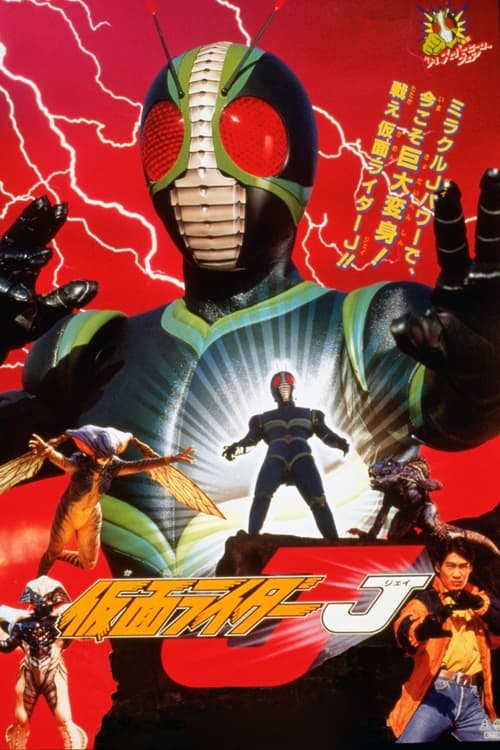
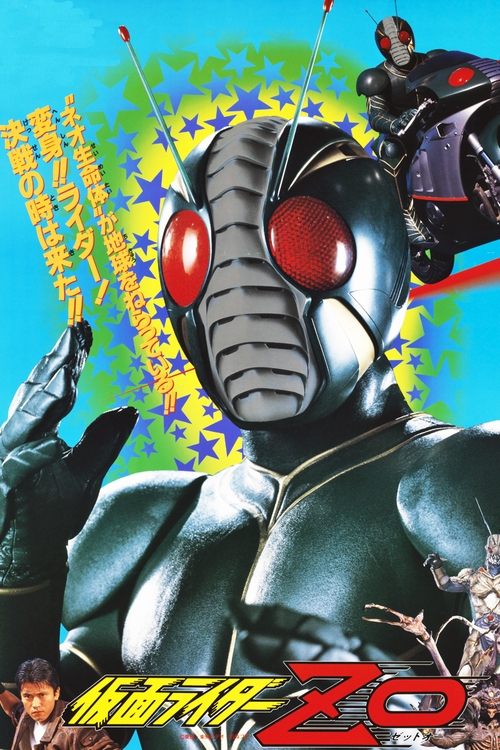
Kamen Rider J is a traditional tokusatsu film that prioritizes biological horror and action over social representation. The narrative relies on established genre clichés, focusing on a hero defending the natural order against ancient, non-human threats. The film maintains a conventional approach to social power dynamics. It does not attempt to challenge gender hierarchies, explore multiple aspects of identity, or critique existing cultural structures, remaining firmly within the bounds of 1990s action cinema. Ultimately, the story is driven by a binary struggle between humans and monsters. This focus on survival and physical combat leaves little room for diverse character perspectives or complex social commentary.
Category Breakdown
The film does not include any LGBTQ+ characters or storylines. The narrative focuses entirely on the external conflict between the protagonist and the Fog Mother entities.
The story centers around a male protagonist who acts as a protector. While there is a sibling dynamic, the male lead holds most of the ability to act in the story.
The cast and setting are predominantly homogeneous within a Japanese cultural context. The alien antagonists serve as biological threats rather than representing ethnic diversity.
The film presents a binary morality of humanity versus a predatory force. It does not engage with critiques of religion or social institutions.
There is no significant portrayal of characters with disabilities. The plot prioritizes physical combat and biological evolution over lived experiences of impairment.
Present on Screen
Limited or Absent
Official Synopsis
The story begins with three Aliens in human form preparing for a ritual to feed the Fog Mother's "siblings". The Fog Mother last came to earth during the Prehistoric Age and is the cause of the extinction of the dinosaurs. Kenji and his kid sister are in the mountains, investigating all the deaths of animals and trees there. The Fog Mother sends the three aliens, "Gorai", "Zuu", and "Agito" to kidnap Kenji's baby sister for the sacrifice.
1981
1991
2000
1993
1993

1995
2020

2001
No reviews yet. Be the first to share your thoughts on this movie!
Use the rating form above to leave a star rating and optional review.