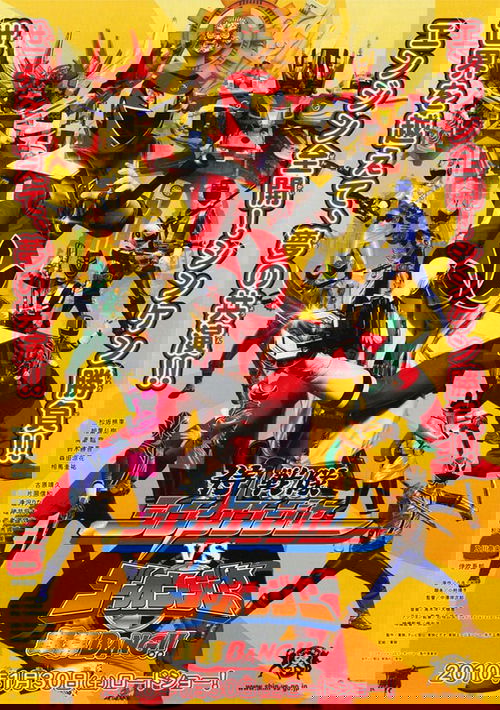
Samurai Sentai Shinkenger vs. Go-onger: Silver Screen BANG!!
2010
No user ratings available yet
Diversity score: 2.3 out of 10
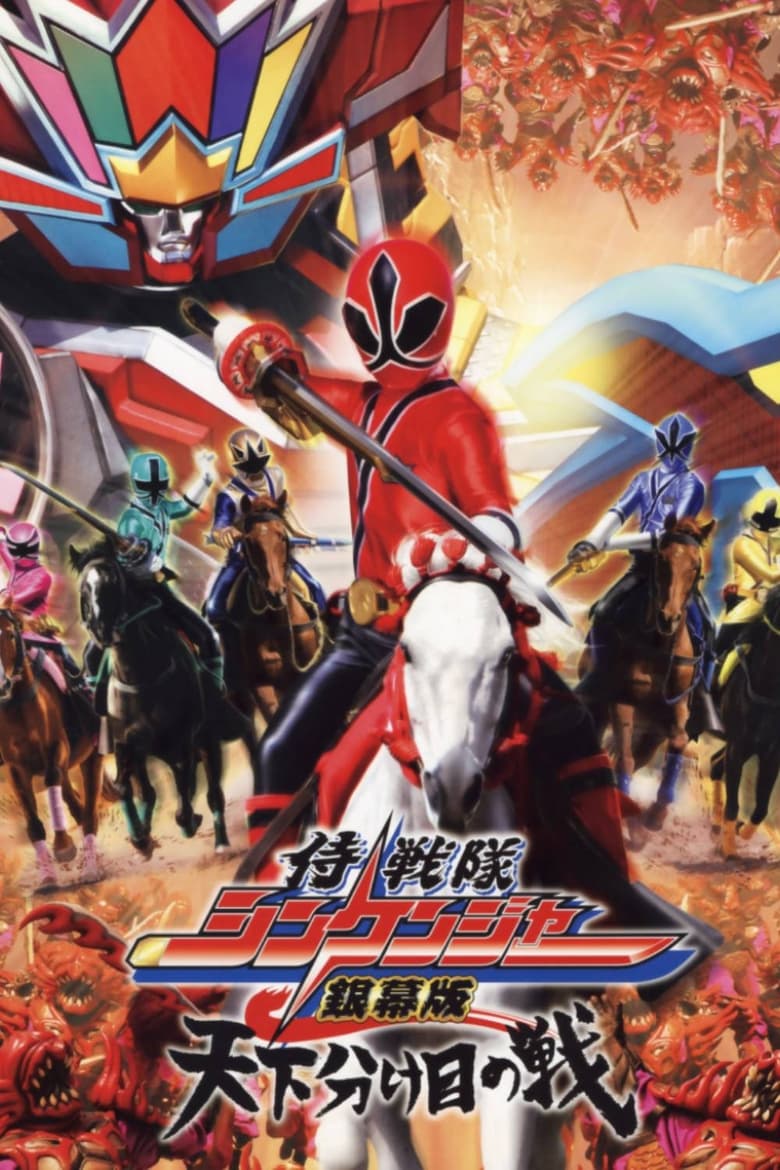
2009
Director
Shojiro Nakazawa
Runtime
20 minutes
Average Rating
No ratings yetSynopsis
Taking place in between Shinkenger Acts 22 and 23, the Shinkengers battle the newly revived Kusare Gedoushu Aburame Manpuku and his army for three days. The wounded and tired Shinkengers nearly lose, had the Kusare Gedoushu not needed to regain energy by soaking in the Sanzu River. As their wounds are treated, Jii reveals they he has found the Secret Disk used by the first Shinken Red to seal Manpuku at the Genryu Temple, which lies in the middle of Kusare Gedoushu territory.
Overall Score
Limited
Category Breakdown
LGBTQ+ Representation
The film adheres to a conventional heteronormative framework. There are no depictions of non-cisnormative identities or same-sex intimacy within the character dynamics.
Gender Representation
Leadership is centralized in a male protagonist, following standard genre archetypes. While female characters participate in combat, they largely align with established tropes rather than subverting masculine leadership.
Racial & Ethnic Diversity
The cast is predominantly Japanese, reflecting the film's specific cultural and samurai themes. It does not utilize diverse ethnic intersections or color-blind casting to challenge the setting's homogeneity.
Religious & Cultural Diversity
The narrative emphasizes duty, lineage, and classical honor codes. It reinforces the stability of social order and ancestral legacy rather than challenging traditional institutions.
Disability Representation
There is no significant focus on visible or invisible disabilities. The film does not utilize neurodivergence or disability as a narrative device.
Strengths
Areas for Improvement
AI Analysis
The film functions as a genre-standard action adventure that prioritizes traditional storytelling and established cultural archetypes. It relies on clear moral dichotomies and classical notions of heroism to drive its narrative. While the production is culturally cohesive within its samurai theme, it lacks intersectional identities. The story reinforces existing social hierarchies and traditional gender roles rather than attempting to disrupt them. Ultimately, the work provides a focused experience within the tokusatsu genre but does not incorporate subversive thematic elements or diverse social perspectives.
2010
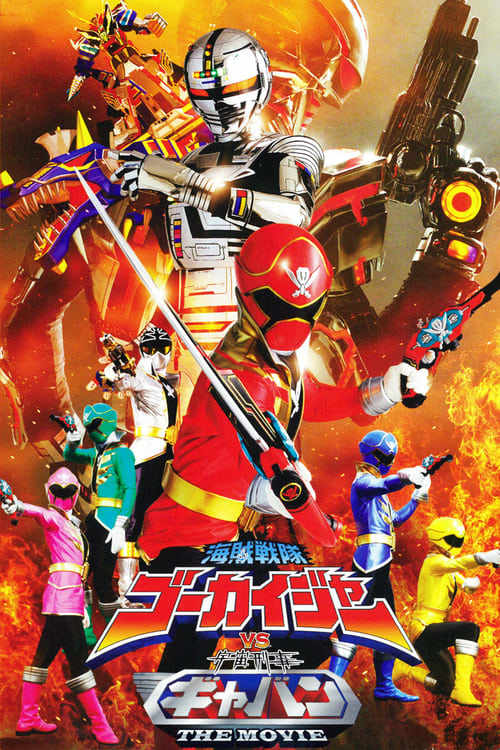
2012
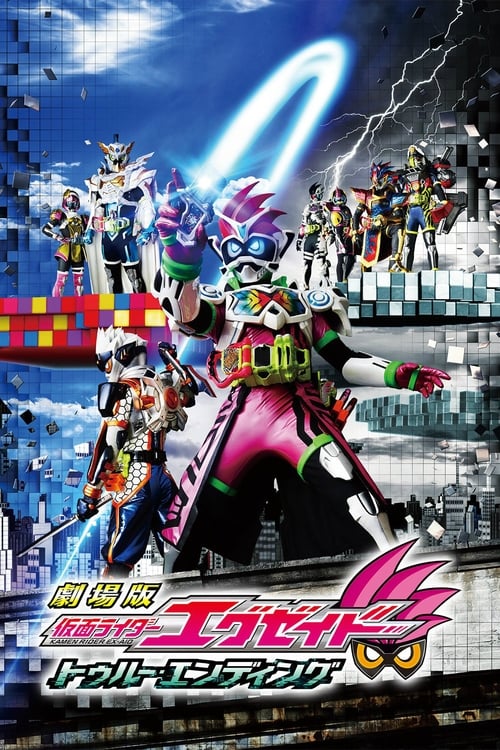
2017
2007
2014
2009
1981
2017

2012
1984
2013

2017
No reviews yet. Be the first to share your thoughts on this movie!
Use the rating form above to leave a star rating and optional review.