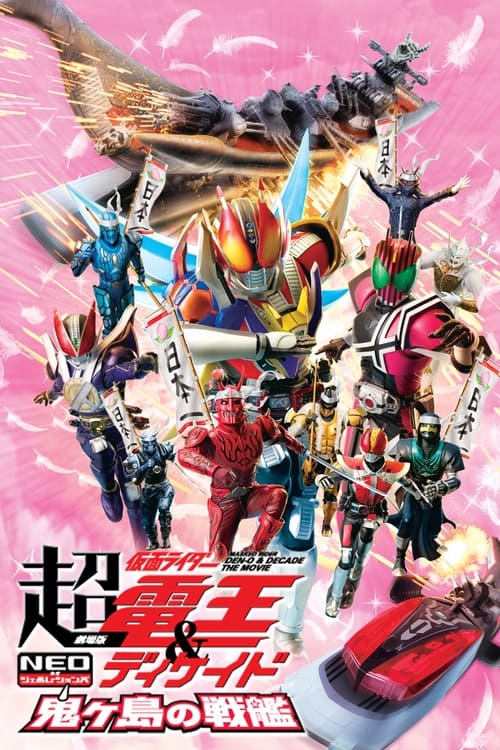
Super Kamen Rider Den-O & Decade NEO Generations: The Onigashima Warship
2009
No user ratings available yet
Representation score: 3.4 out of 10
Representation Score
Fair
2013
Director
Ryuta Tasaki
Runtime
93 minutes
Average Rating
No ratings yetNew Showbiz Analysis
This crossover production functions primarily as a genre-specific spectacle, prioritizing action-oriented heroics over sociological interrogation. The narrative structure relies on established heroic clichés that favor traditional masculine ability to act and binary moral structures. The film focuses on the intersection of disparate timelines and the combat capabilities of its central characters. It maintains a standard industry approach for the tokusatsu genre, emphasizing spectacle and continuity between the parent series. Ultimately, the work does not engage in the intentional subversion of social hierarchies or the exploration of multi-layered identities, remaining a conventional piece of action-driven storytelling.
Category Breakdown
The film follows traditional genre conventions without explicitly depicting LGBTQ+ identities. It centers on masculine hero archetypes and physical confrontations.
The story focuses on male protagonists and their combat skills. It emphasizes the martial prowess of male Armored Riders, reinforcing traditional masculine leadership and physical dominance.
The cast is ethnically uniform, reflecting the localized production context of the Sengoku era setting. The film does not use diverse casting to challenge historical homogeneity.
The film operates within a framework of traditional heroism and binary morality. It does not present significant critiques of Western institutions, capitalism, or organized religion.
There is no focus on physical disabilities, neurodivergence, or chronic illness. Physical transformations serve as plot devices rather than meaningful representations of lived experience.
Present on Screen
Limited or Absent
Official Synopsis
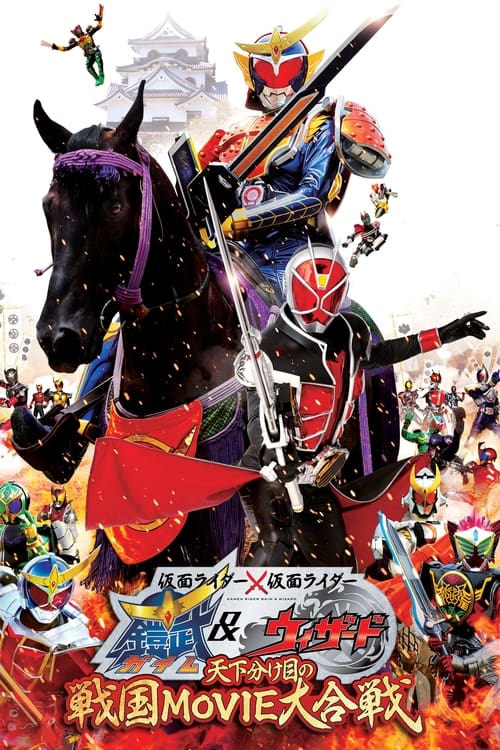
The story is divided in three portions. The Kamen Rider Wizard portion, Kamen Rider Wizard: The Promised Place, taking place after the finale and defeating Amadum. The Kamen Rider Gaim's portion of the film is titled Kamen Rider Gaim: Sengoku Battle Royale!. A battle royale is being held exclusively for the Armored Riders in Zawame City. In the final portion of the film, titled Sengoku Movie Battle, Kamen Riders Wizard and Beast join Kamen Rider Gaim in the alternate world to stop Kamen Rider Bujin Gaim from acquiring the "ultimate power" he seeks.
2009

2021
2009
2014

2018
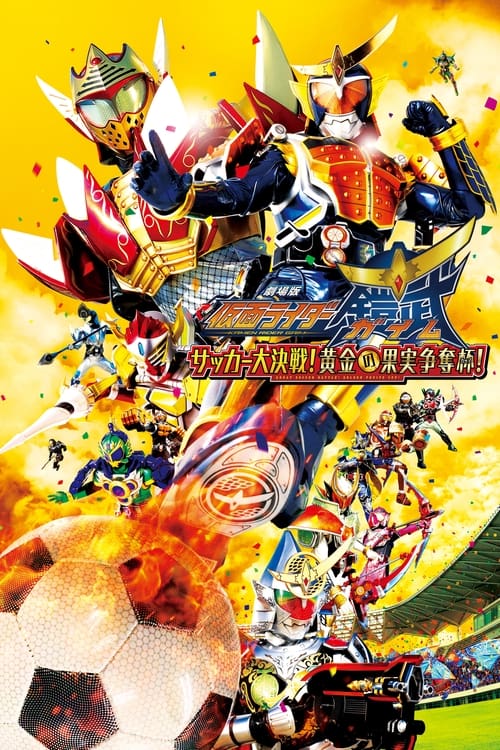
2014
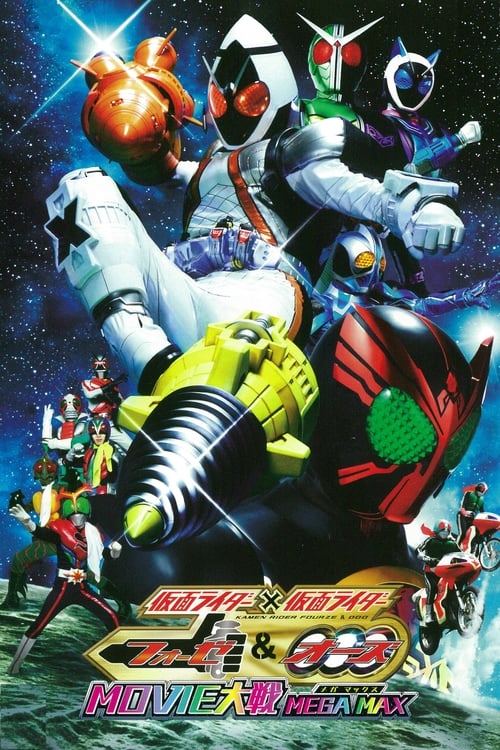
2011
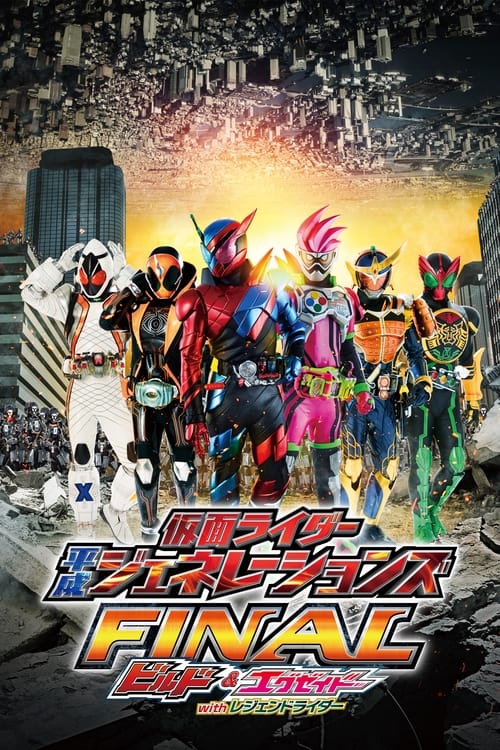
2017
No reviews yet. Be the first to share your thoughts on this movie!
Use the rating form above to leave a star rating and optional review.