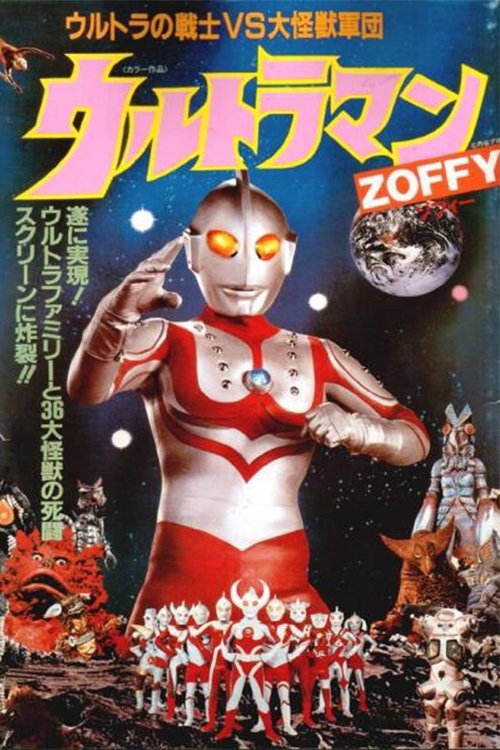
Ultraman Zoffy: Ultra Warriors vs. the Giant Monster Army
1984
No user ratings available yet
Diversity score: 1.7 out of 10
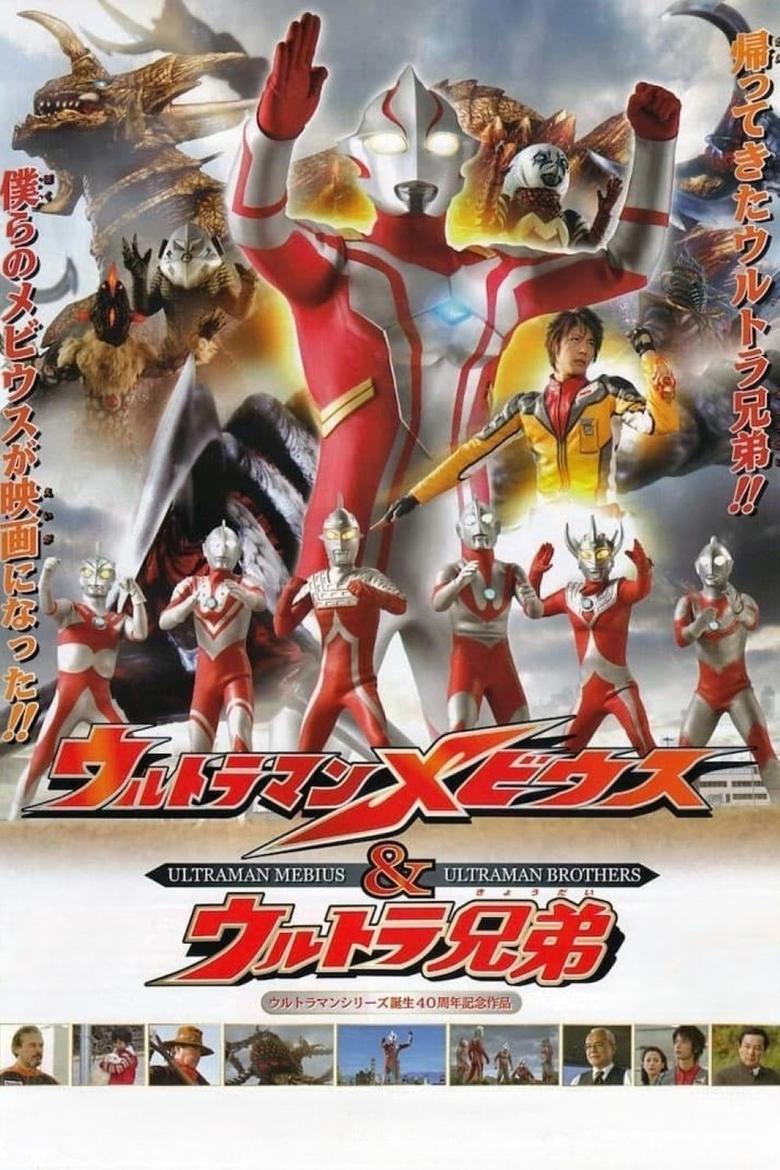
2006
Director
Kazuya Konaka
Runtime
93 minutes
Average Rating
No ratings yetSynopsis
In the beginning of the movie, 20 years ago, on the moon, the 4 Ultra brothers, Ultraman, Seven, Jack, and Ace were fighting a deadly foe known as Yapool, a monster that was several times their size. As they fought, Yapool had a clear advantage and used his several claws to grasp the brothers, although, they managed to clear from the claws through there powers and used a combined Specium Ray to no avail. The monster then flies off to Earth to dodge the attack and the brothers follow. The brothers were barely able to defeat Yapool but the monster still needed to be sealed. However, to seal Yapool away they were forced to give up the ability to transform, and took up jobs to be in the area of Kobe in case the monster ever returned.
Overall Score
Limited
Category Breakdown
LGBTQ+ Representation
The film centers on a brotherhood of male-coded warriors. There is no evidence of non-cisnormative identities or narratives that critique heteronormativity.
Gender Representation
Leadership and agency are concentrated within male-coded entities. The power dynamics focus on a hierarchy between veteran mentors and a rookie student.
Racial & Ethnic Diversity
The cast reflects the cultural origins of the Japanese Tokusatsu genre. While the Ultra entities are non-human, the narrative lacks intersectional casting.
Religious & Cultural Diversity
The story reinforces traditional moral structures and the importance of established authority. It celebrates protecting the status quo through collective defense.
Disability Representation
The narrative focuses on superhuman physical prowess. There is no evidence of characters with visible or invisible disabilities portrayed with agency.
Strengths
Areas for Improvement
AI Analysis
Ultraman Mebius & Ultra Brothers functions as a traditional genre piece that prioritizes legacy and the preservation of established heroic hierarchies. The narrative architecture is designed to uphold conventional values of duty and teamwork rather than disrupting social structures. The film relies heavily on masculine archetypes, focusing on a brotherhood of warriors and a mentor-student dynamic. This concentration of agency within male-coded entities limits the scope of gender representation. While the non-human nature of the characters offers a metaphorical layer, the work remains culturally specific to its Japanese origins. It lacks intersectional perspectives or the inclusion of diverse identities, serving instead as a celebration of franchise archetypes.
1984
2009
1981
1978
2022
1974
1994
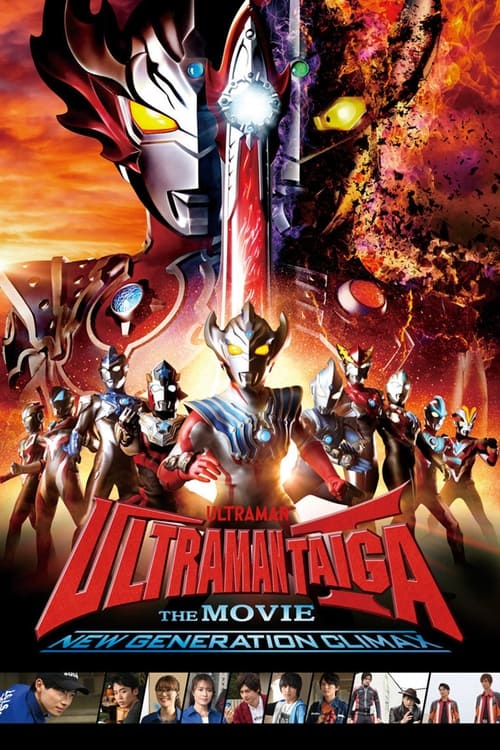
2020
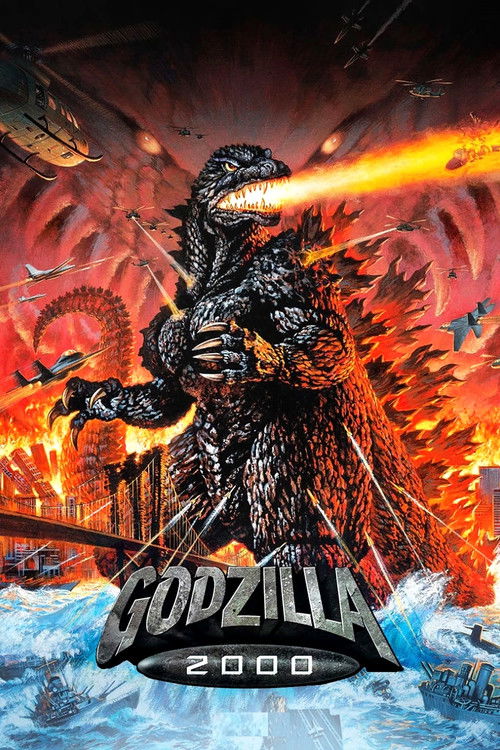
1999
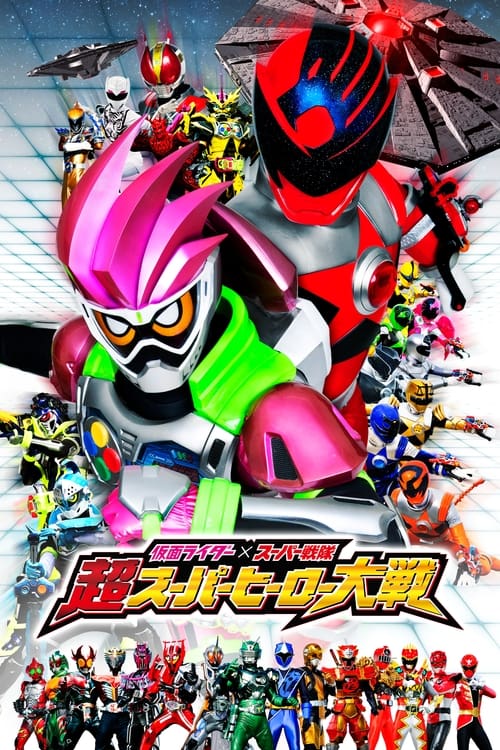
2017
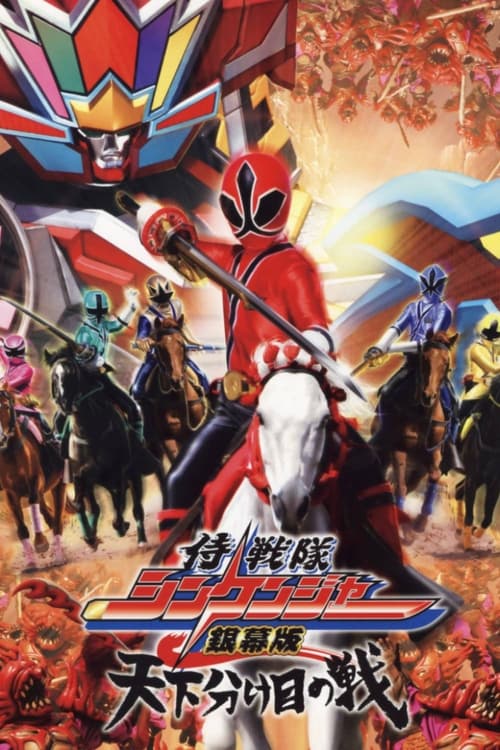
2009
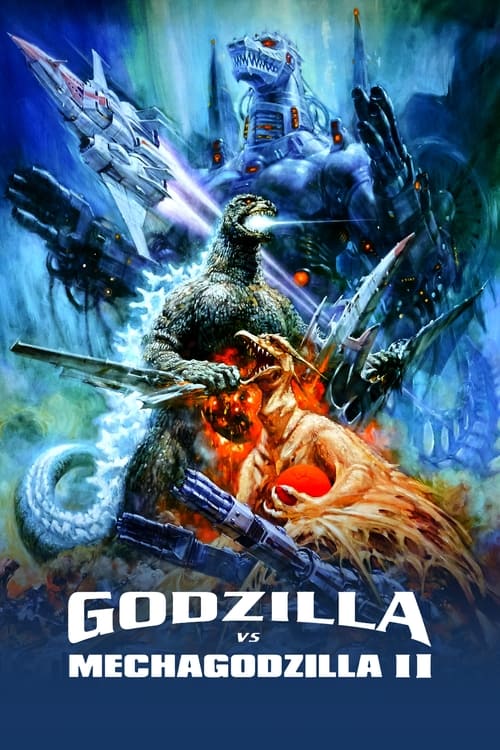
1993
No reviews yet. Be the first to share your thoughts on this movie!
Use the rating form above to leave a star rating and optional review.