A 10th Rider Appears! Kamen Rider - All Riders Assemble!
1984
No user ratings available yet
Representation score: 1.4 out of 10
Representation Score
Limited
1993
Director
Keita Amemiya
Runtime
50 minutes
Average Rating
No ratings yetNew Showbiz Analysis
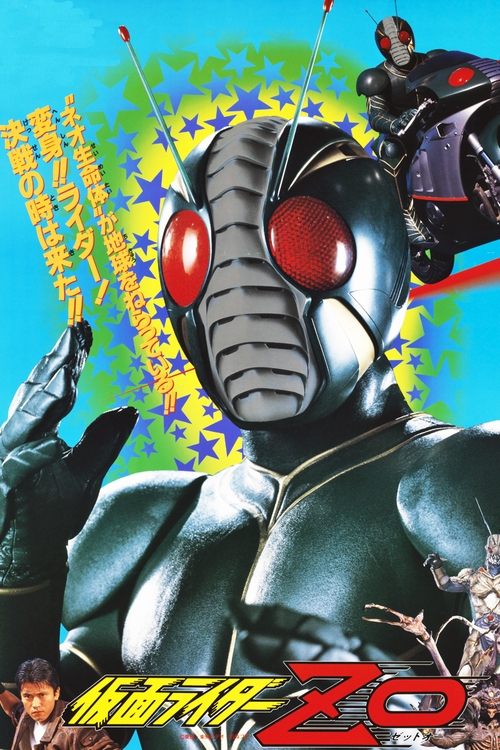
Kamen Rider ZO is a stylized Tokusatsu piece that prioritizes biological mythos and visual spectacle. The narrative structure relies on traditional heroic structures, focusing on the protagonist's metamorphosis and his role as a protector. Because the film functions as a standard exploration of the 'man vs. science' cliché, it lacks representation of multiple aspects of identity. The story maintains conventional approaches to gender, race, and morality without attempting to challenge established social hierarchies. Ultimately, the film is a culturally specific work that emphasizes physical combat and biological surrealism over socio-political deconstruction or identity-based commentary.
Category Breakdown
The film follows a traditional hero's journey centered on biological evolution. There is no presence of non-straight or non-cisgender identities or narratives challenging the assumption that everyone is straight or cisgender.
The narrative centers on a male protagonist whose actions drive the plot. Female characters occupy secondary roles that do not disrupt traditional gender hierarchies.
Set in a contemporary Japanese context, the cast and setting are predominantly homogeneous. The story does not engage with multiculturalism or diverse casting.
The film emphasizes a hero/monster dichotomy and biological ethics. It avoids deconstructing institutions or subverting family structures, maintaining a stable moral framework.
The protagonist's biological transformation is treated as superheroic evolution rather than disability. The film focuses on empowerment rather than lived experiences of impairment.
Present on Screen
Limited or Absent
Official Synopsis
Masaru Aso was the lab assistant of geneticist Doctor Mochizuki, used as one of his experiments related the creation of the Neo Organism, enabling him to transform into a grasshopper-like being called Kamen Rider ZO. He fled into the mountainside and went into a coma before he was awakened by a telepathic call two years later with an unconscious urge to protect Hiroshi Mochizuki, the son of Doctor Mochizuki.
1984
1993
1992

1989
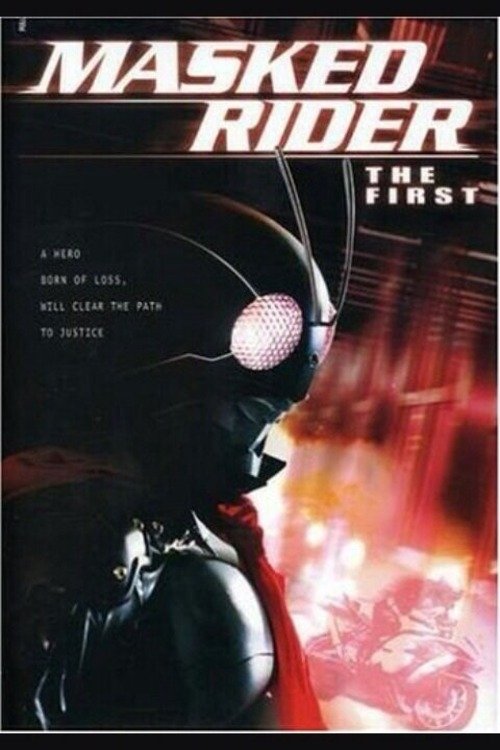
2005
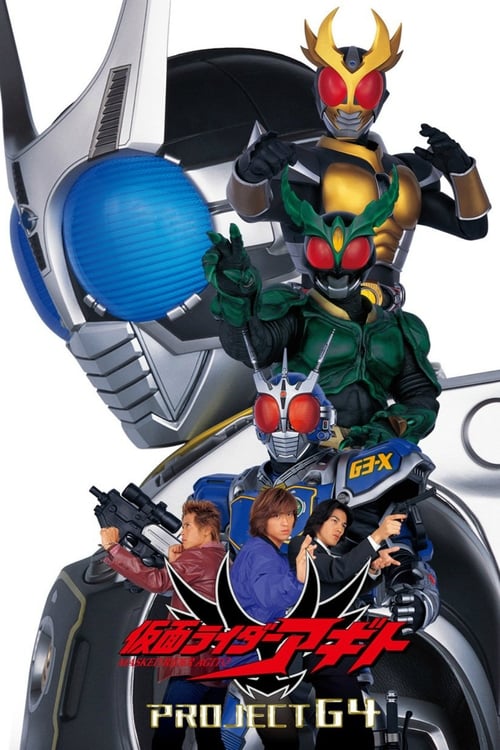
2001
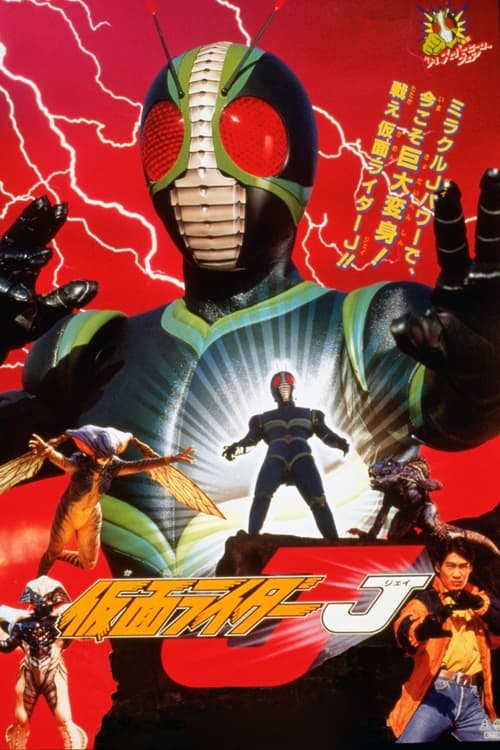
1994
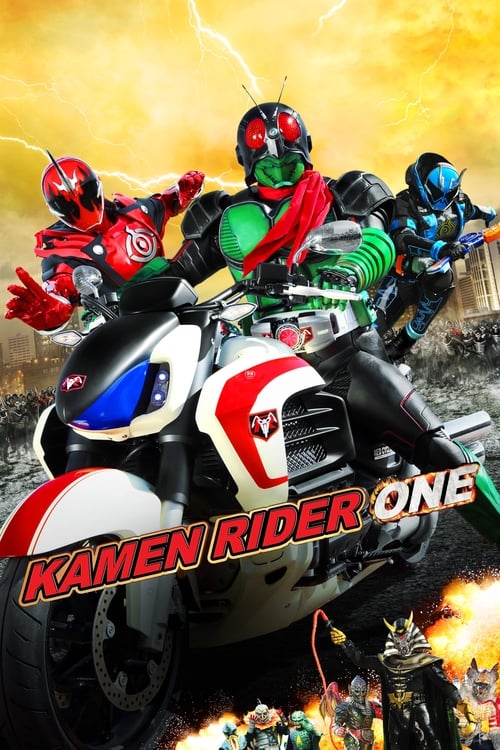
2016
No reviews yet. Be the first to share your thoughts on this movie!
Use the rating form above to leave a star rating and optional review.