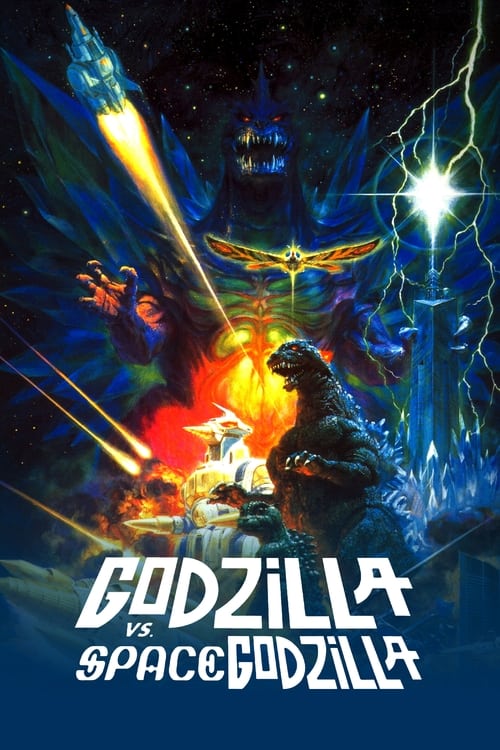
Godzilla vs. SpaceGodzilla
1994
No user ratings available yet
Diversity score: 2.9 out of 10
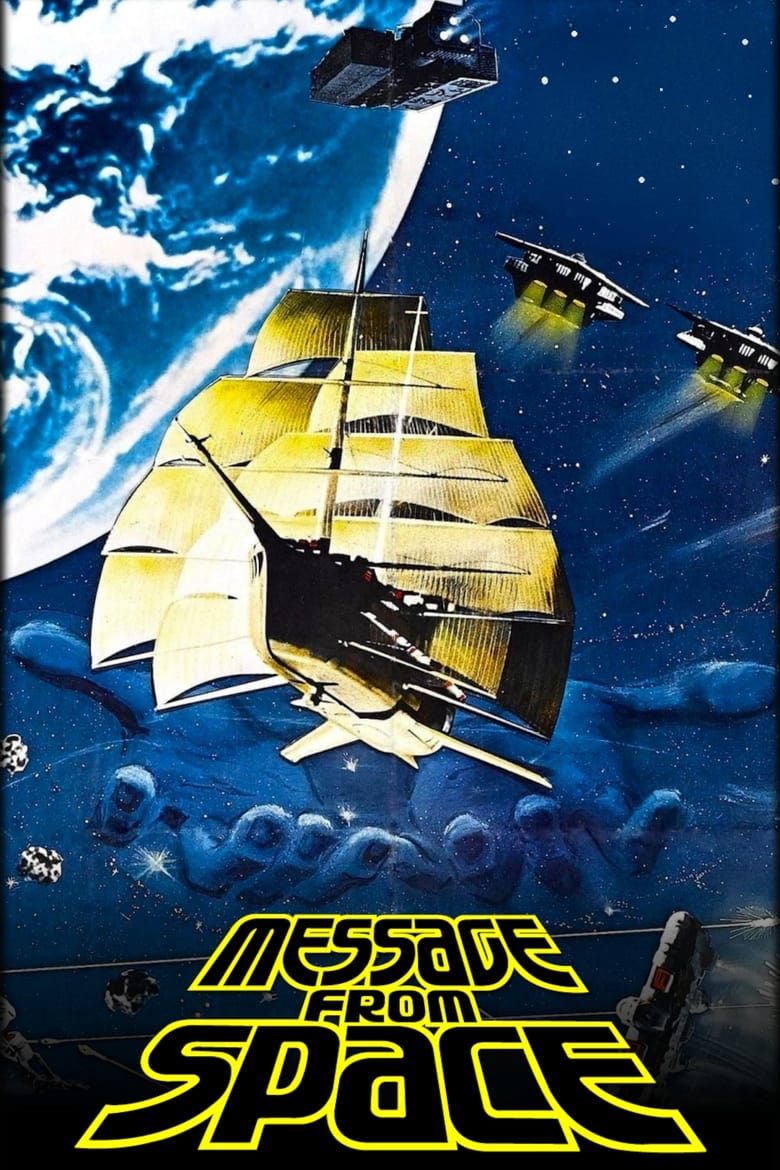
1978
PGDirector
Kinji Fukasaku
Runtime
105 minutes
Average Rating
No ratings yetSynopsis
The peaceful planet of Jillucia has been nearly wiped out by the Gavanas, whose leader takes orders from his mother rather than the Emperor. King Kaiba sends out eight Liabe holy seeds, each to be received by a chosen one to defend the Gavanas. Each recipient, ranging from hardened General Garuda to Gavana Prince Hans to young Terrans Meia, Kido, and Aaron all have different reactions to being chosen.
Overall Score
Limited
Category Breakdown
LGBTQ+ Representation
The film follows conventional mid-century sci-fi structures. There are no depictions of non-cisnormative gender identities or same-sex intimacy.
Gender Representation
Agency is primarily concentrated within male protagonists and military leaders. While female characters like Meia appear, they function within a framework that prioritizes male-driven conflict.
Racial & Ethnic Diversity
As a Japanese production, the cast provides a non-Western perspective. However, the narrative does not use intentional racial blending to disrupt established norms.
Religious & Cultural Diversity
The story focuses on defending a civilization against external threats. It does not explore moral relativism or prioritize secularism over traditional spiritual elements.
Disability Representation
There is no evidence of characters with visible or invisible disabilities. The narrative focuses on the physical and technical capabilities required for combat.
Strengths
Areas for Improvement
AI Analysis
Kinji Fukasaku’s sci-fi adventure is a product of its era, leaning heavily into established genre tropes. While it offers a refreshing departure from Western-centric space operas due to its Japanese production, the character dynamics remain traditional. The film prioritizes high-stakes cosmic survival and professional expertise over social critique. It relies on clear-cut conflict and archetypal roles rather than exploring intersectional identities or deconstructing systemic hierarchies. Ultimately, the work functions as a standard heroic narrative. It succeeds as a genre piece but lacks the intentionality to challenge the socio-cultural constraints of the late 1970s.
1994
1981
1983
2017

1986
1994

2002
2000

2017

2012
2015

2014
No reviews yet. Be the first to share your thoughts on this movie!
Use the rating form above to leave a star rating and optional review.