
The Tramp
1915
No user ratings available yet
Representation score: 3.0 out of 10
Representation Score
Minimal
1920
Not RatedDirector
Edward F. Cline, Buster Keaton
Runtime
19 minutes
Average Rating
No ratings yetNew Showbiz Analysis
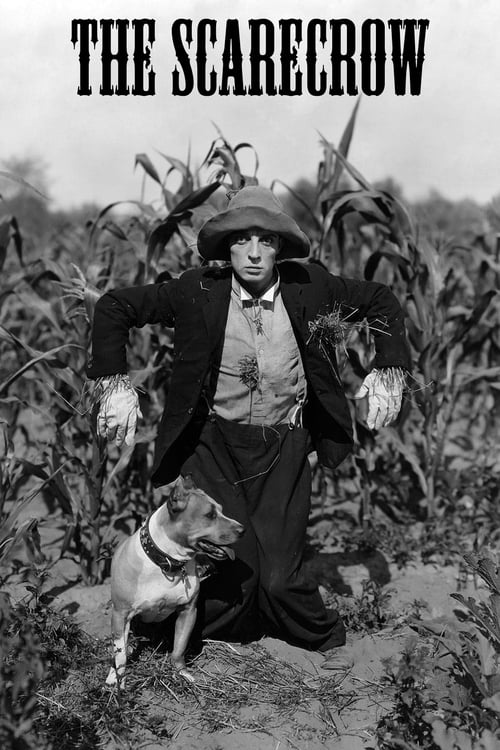
The Scarecrow is a classic silent-era slapstick comedy that emphasizes physical humor over social commentary. Its narrative structure is centered on situational absurdity and the 'mechanical man' archetype, rather than exploring diverse identities. The film reflects the cultural homogeneity and traditional gender roles of its time, serving as a historical snapshot of early 20th-century rural American norms without challenging established social hierarchies.
Category Breakdown
The film focuses on a traditional romantic rivalry between two farmhands, with no indication of LGBTQ+ identities or same-sex relationships.
The story revolves around male competition, presenting the female lead primarily as an object of desire rather than an active participant in the plot.
The cast appears homogeneous, reflecting the production standards of 1920 rural American comedy, with no evidence of non-white or non-Anglo-Saxon casting.
The story operates within a traditional agrarian setting, lacking any secularist or anti-Western critiques and focusing on physical comedy in a stable rural environment.
Physical stunts are portrayed as athletic feats, with no evidence of characters with disabilities being used as plot devices or subjects of mockery.
Present on Screen
Limited or Absent
Official Synopsis
Two farmhands compete for the love of the farmer's daughter.
1915
1927
1922
1934

1921
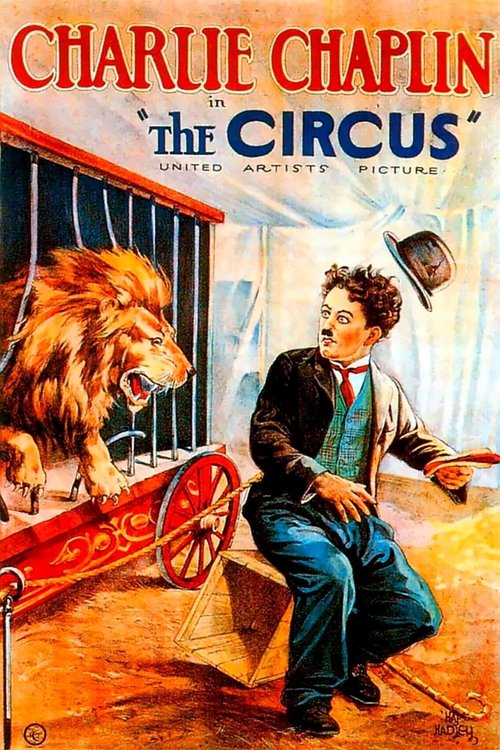
1928
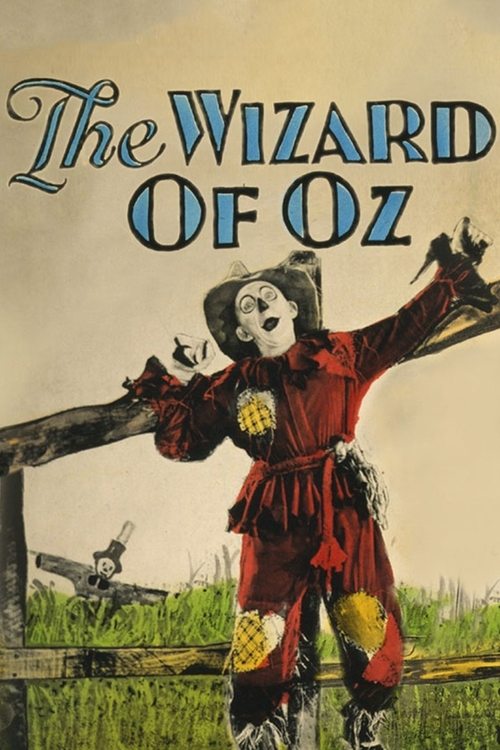
1925

1928
No reviews yet. Be the first to share your thoughts on this movie!
Use the rating form above to leave a star rating and optional review.