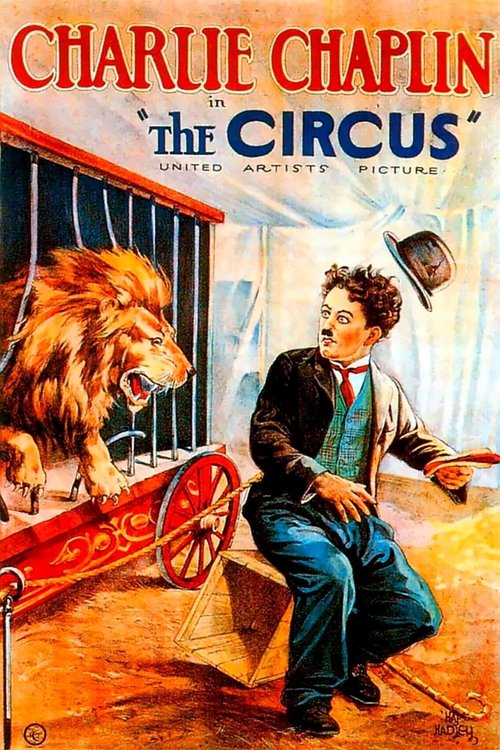
The Circus
1928
No user ratings available yet
Representation score: 3.9 out of 10
Representation Score
Minimal
1928
PGDirector
Edward Sedgwick
Runtime
74 minutes
Average Rating
No ratings yetNew Showbiz Analysis
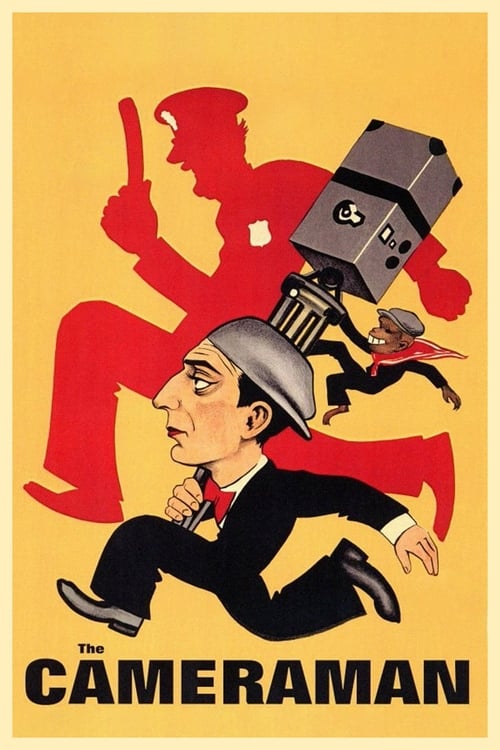
The Cameraman is a quintessential silent comedy that prioritizes physical ingenuity and slapstick over social complexity. It functions as a celebration of professional perseverance, focusing on the protagonist's journey from incompetence to success within a traditional framework. While technically precise, the film adheres strictly to the era's social hierarchies. It lacks demographic subversion, presenting a homogeneous cast and a narrative driven by conventional masculine roles and heterosexual romance. Ultimately, the film reflects the production standards of 1928, offering little in the way of characters who reflect more than one aspect of diversity or systemic critique, instead leaning into the established comedic clichés of the time.
Category Breakdown
The film follows a strictly heterosexual and cisgender romantic structure. There is no presence of queer subtext or non-cisgender identities, as the plot centers on a conventional pursuit of a female love interest.
The narrative reinforces traditional gender hierarchies. While the female lead is a central motivator, the protagonist drives the plot through physical labor and technical mastery, leaving the woman in a largely reactive role.
The cast is relatively homogeneous and reflects the Anglo-centric demographic norms of the 1920s. There is no evidence of multi-layered casting or intentional efforts to represent diverse ethnic backgrounds.
The story focuses on professional perseverance within an urban setting. It avoids critiques of Western institutions or religion, framing social disruption through comedic slapstick rather than systemic deconstruction.
Physical clumsiness serves as a comedic engine rather than a nuanced portrayal of disability. The film uses physical struggle for humor without providing ability to act or depth to neurodivergent or disabled characters.
Present on Screen
Limited or Absent
Official Synopsis
A photographer takes up newsreel shooting to impress a secretary.
1928
1931
1933
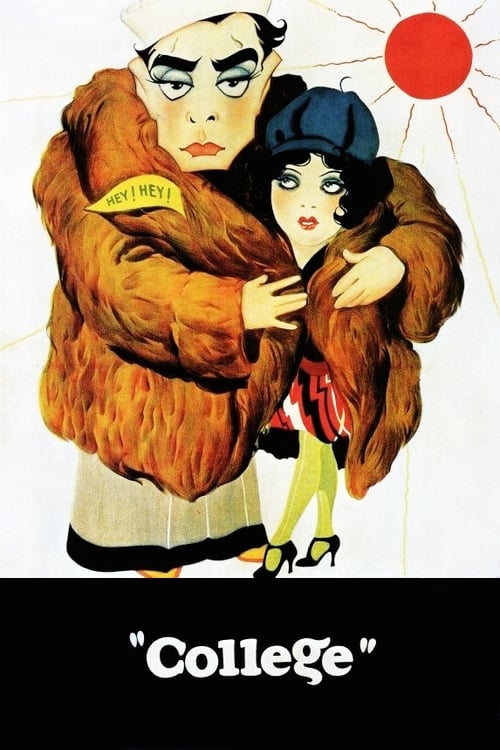
1927
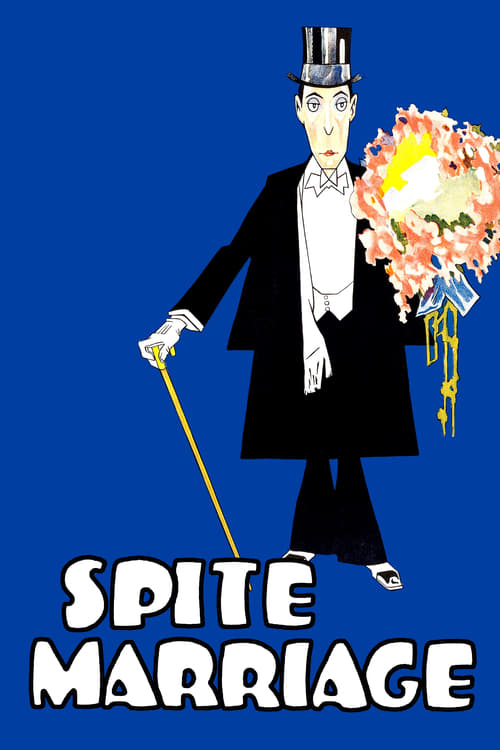
1929
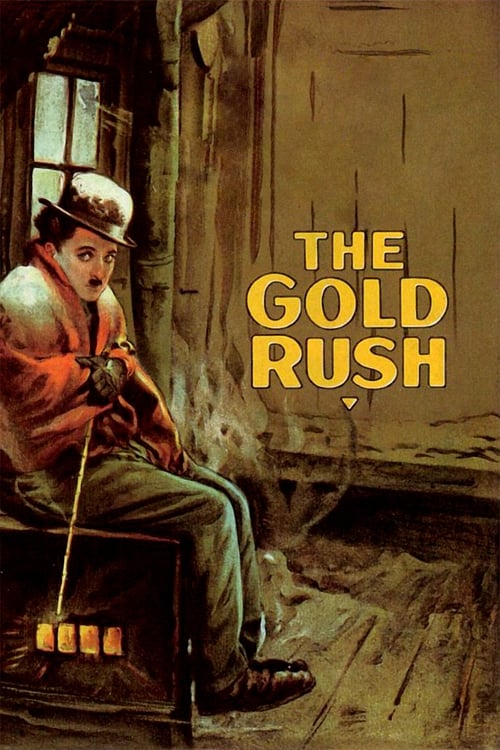
1925
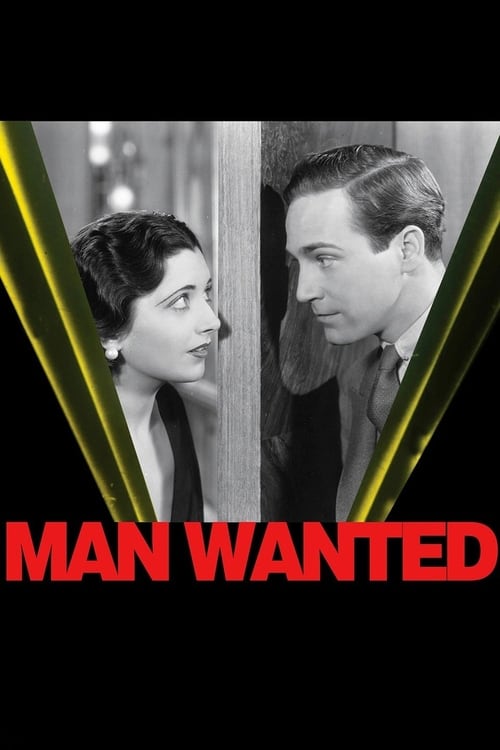
1932

1933
No reviews yet. Be the first to share your thoughts on this movie!
Use the rating form above to leave a star rating and optional review.