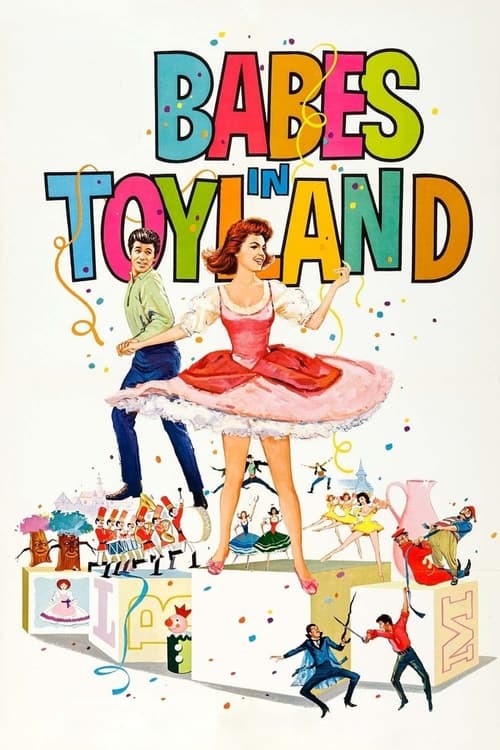
Babes in Toyland
1961
No user ratings available yet
Representation score: 0.4 out of 10
Representation Score
Minimal
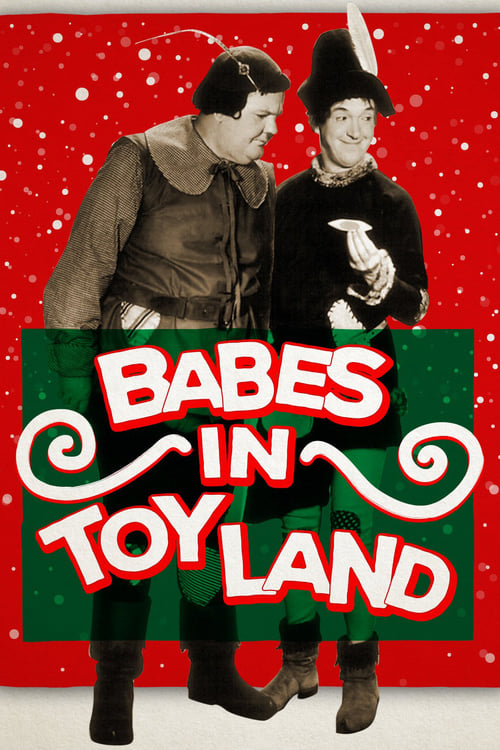
1934
NRDirector
Charley Rogers, Gus Meins
Runtime
78 minutes
Average Rating
No ratings yetNew Showbiz Analysis
This 1934 musical fantasy serves as a typical escapist comedy of its time. It relies on established social hierarchies and character archetypes common to the early sound era. The narrative structure reinforces traditional norms without challenging them. It focuses on whimsical conflicts and restorative justice within a standard Western framework. Ultimately, the production reflects the demographic and social expectations of 1930s studio systems, offering a standardized experience without intentional diversity.
Category Breakdown
The film does not include any characters who identify as LGBTQ+. It adheres strictly to the social norms of the 1930s, where everyone is assumed to be straight or cisgender.
Female characters such as Mother Peep and Little Bo Peep operate within traditional gender roles. The story does not give women significant roles in driving the plot or subverting male leadership.
Set in a stylized Toyland, the film reflects a predominantly white, Eurocentric aesthetic. There is no evidence of diverse casting or non-white majority ensembles.
The story operates within a traditional Western fairy-tale framework. It uses standard plot devices without critiquing Western institutions.
There is no indication of characters with visible or invisible disabilities. No such characters appear to be used as plot devices.
Present on Screen
Limited or Absent
Official Synopsis
Ollie Dee and Stannie Dum try to borrow money from their employer, the toymaker, to pay off the mortgage on Mother Peep's shoe and keep it and Little Bo Peep from the clutches of the evil Barnaby. When that fails, they trick Barnaby, enraging him.
1961
1997
1920
2000
1997
1947
1986
1934
No reviews yet. Be the first to share your thoughts on this movie!
Use the rating form above to leave a star rating and optional review.