
The Bank
1915
No user ratings available yet
Representation score: 1.0 out of 10

Representation Score
Limited
1922
Not RatedDirector
Edward F. Cline, Buster Keaton
Runtime
25 minutes
Average Rating
No ratings yetNew Showbiz Analysis
Day Dreams is a classic example of its time, emphasizing physical comedy and social aspirations over demographic diversity. The narrative relies heavily on established Western social structures, such as patriarchal approval and traditional courtship rituals. While the film excels in physical storytelling and situational humor, it lacks the intention to challenge social hierarchies. It serves as a benchmark for early 20th-century cinema, characterized by conventional archetypes and a lack of diverse representation.
Category Breakdown
The film follows a traditional romantic storyline where a young man pursues a woman. There are no LGBTQ+ characters or themes.
The story emphasizes conventional courtship and patriarchal structures. The protagonist's main goal is to gain economic security to please a girl's father.
The cast is predominantly white and homogeneous, reflecting the casting standards of the 1920s. There are no significant non-Anglo-Saxon characters.
The story focuses on traditional capitalist values and social status. It highlights the importance of family approval and the pursuit of noble work.
Physical struggles are used for comedic effect rather than depicting real experiences. The film does not address neurodivergence or chronic illnesses.
Present on Screen
Limited or Absent
Official Synopsis
In order to impress the father of a girl he is keen on, a young man goes to the city in search of work. In his letters home he writes of his various jobs which her imagination expands into much nobler ones than those that he is actually attempting.
1915

1928
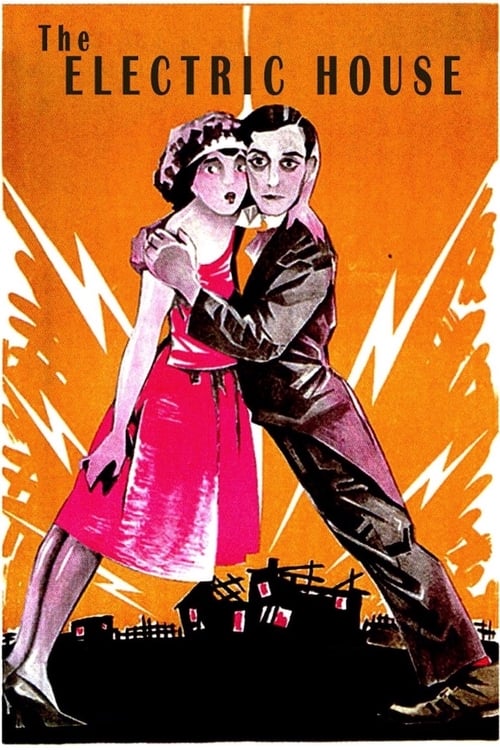
1922
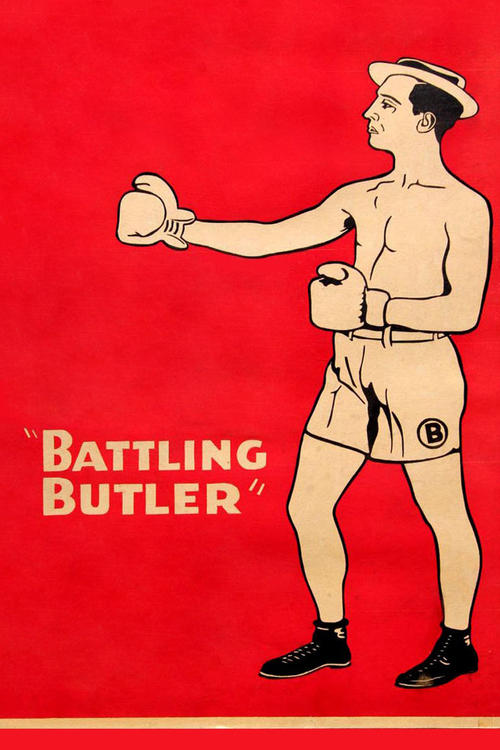
1926
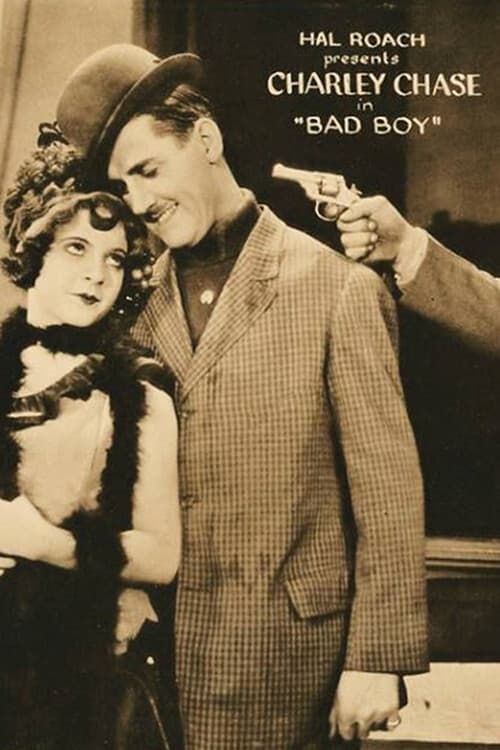
1925
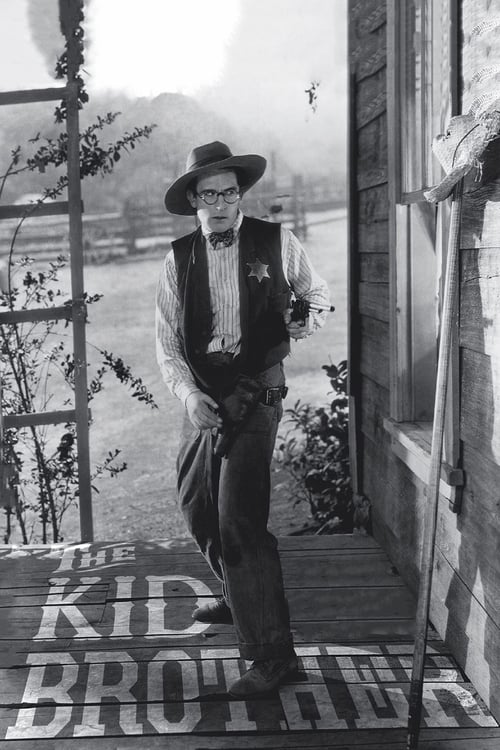
1927
1921
1925
No reviews yet. Be the first to share your thoughts on this movie!
Use the rating form above to leave a star rating and optional review.