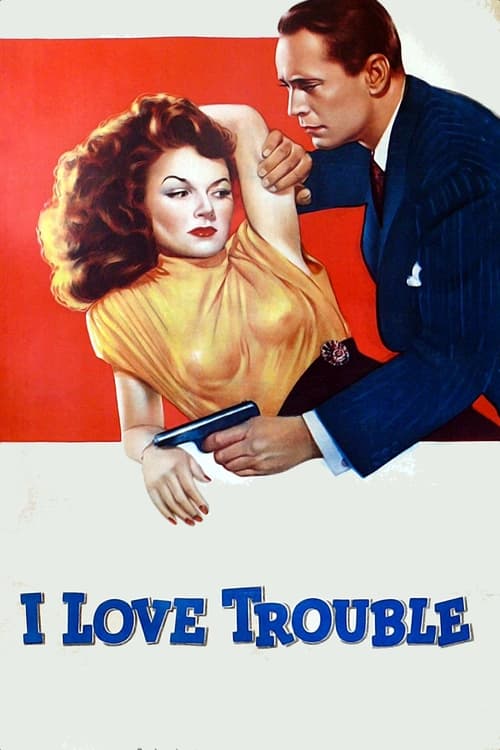
I Love Trouble
1948
No user ratings available yet
Representation score: 1.5 out of 10
Representation Score
Minimal
1946
NRDirector
Lance Comfort
Runtime
90 minutes
Average Rating
No ratings yetNew Showbiz Analysis
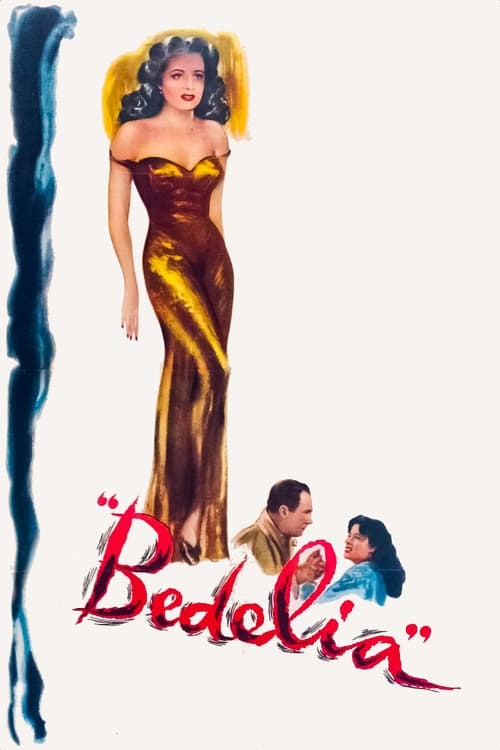
Bedelia is a typical mid-century mystery-drama that prioritizes traditional storylines over social critique. The plot follows a classic detective structure where an investigator uncovers a protagonist's past crimes, reinforcing established moral frameworks regarding marriage and legality. The film relies on the femme fatale archetype, which highlights women's ability to drive the story but frames it as a dangerous moral failing. This approach maintains the status quo rather than challenging gendered or social hierarchies. Ultimately, the narrative reflects the homogeneous and conservative social values of 1946, lacking depth in addressing multiple aspects of identity.
Category Breakdown
The film does not include any LGBTQ+ identities. The main conflict revolves around a traditional marriage structure.
Bedelia Carrington drives the plot but is portrayed as a moral transgressor due to her criminal actions. The narrative uses the femme fatale archetype, reinforcing traditional views of female instability.
The Monte Carlo setting and 1946 production context suggest a homogeneous social environment. There is no indication of racial blending or diverse perspectives.
The story adheres to mid-century morality by treating crime as a mystery to be solved. It focuses on restoring social order through investigative truth.
There is no information available regarding the depiction of physical or neurodivergent characters.
Present on Screen
Limited or Absent
Official Synopsis
Bedelia Carrington is living happily, it appears, in Monte Carlo with her husband Charlie Carrington. But a cultivated young artist, Ben Chaney, begins probing into her past with curious concern. Chaney, who is really a detective, learns that Bedelia's obsession for money has led her, in the past, to husband-poisoning for the insurance money.
1948
1947

1948
1954
1951

1944
1946
1947
No reviews yet. Be the first to share your thoughts on this movie!
Use the rating form above to leave a star rating and optional review.