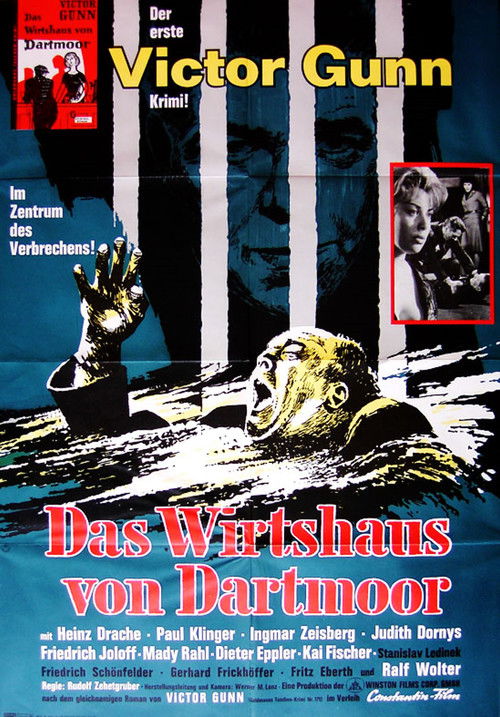
The Inn on Dartmoor
1964
No user ratings available yet
Representation score: 2.9 out of 10
Representation Score
Limited
1951
NRDirector
E.A. Dupont
Runtime
93 minutes
Average Rating
No ratings yetNew Showbiz Analysis
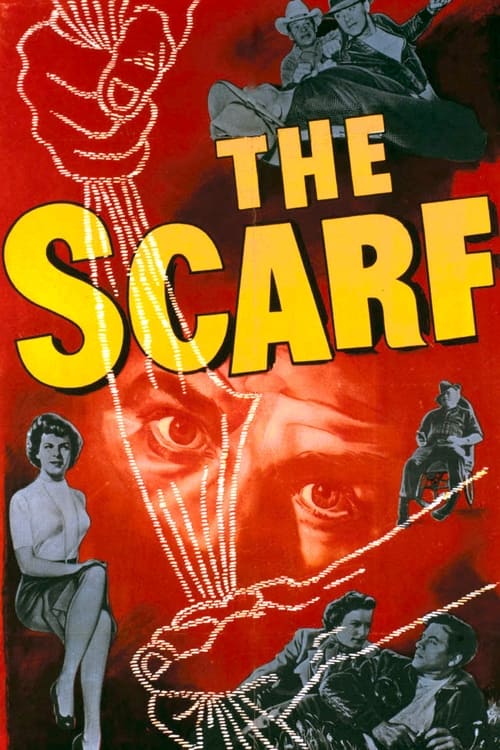
The Scarf is a mid-century thriller that adheres strictly to the conventional genre expectations of 1951. Its narrative structure prioritizes a psychological mystery over social or multi-layered complexity. The film reflects the era's standard social constraints, particularly regarding gender and racial homogeneity. Characters often serve functional roles within the plot rather than representing diverse lived experiences. While the film explores mental health through its protagonist, it lacks the depth needed to move beyond period-typical clichés of psychological instability.
Category Breakdown
The film does not include any characters with non-cisgender identities or same-sex relationships. It follows the straight-centered social norms typical of its time.
The story revolves around a male protagonist's psychological journey. The female character mainly serves as a passive element to advance the mystery rather than an active participant.
The film adheres to the homogeneous casting standards of the early 1950s. It seems to follow traditional Western norms without showcasing a diverse cast.
The plot uses a standard mystery framework within a traditional moral context. It focuses on guilt and innocence rather than challenging systemic power or institutional structures.
Mental health is a central theme due to the protagonist's background in an asylum. However, it is unclear if the character has true ability to act or simply serves as a suspense device.
Present on Screen
Limited or Absent
Official Synopsis
A man who is believed to have murdered a woman, escapes from the insane asylum to find if he was the one to actually kill her using the scarf she was wearing.
1964
1947
1945

1944
1964
1937
1954

1940
No reviews yet. Be the first to share your thoughts on this movie!
Use the rating form above to leave a star rating and optional review.