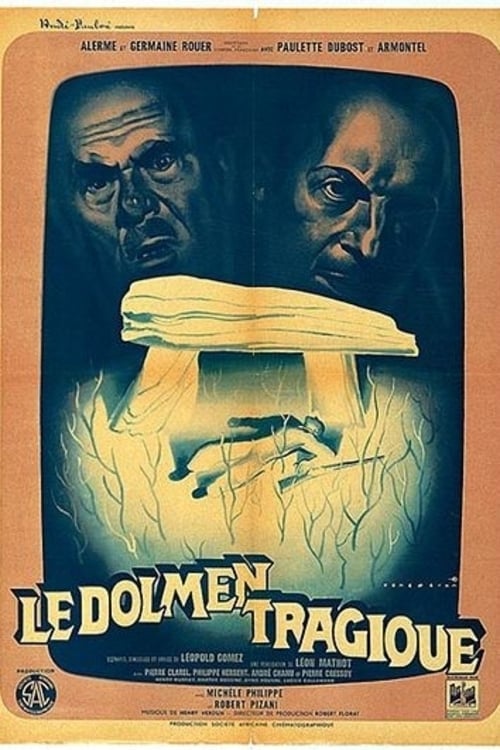
Le Dolmen tragique
1948
No user ratings available yet
Diversity score: 2.3 out of 10

1941
Director
Christian-Jaque
Runtime
105 minutes
Average Rating
No ratings yetSynopsis
A village in the French Alps is rocked by a series of crimes, including the theft of a sacred ring and the murder of a man dressed as Père Noël (Father Christmas).
Overall Score
Minimal
Category Breakdown
LGBTQ+ Representation
The film operates within the conventional social frameworks of 1941. There is no evidence of non-cisnormative gender identities or narratives that address heteronormativity.
Gender Representation
The narrative adheres to traditional gender hierarchies typical of 1940s mystery-comedies. Female characters likely occupy supportive or domestic roles rather than driving the central investigation.
Racial & Ethnic Diversity
Set in a rural French Alpine village, the casting reflects the homogeneous demographic of the era. There is no indication of non-white majority casts or diverse ethnic representation.
Religious & Cultural Diversity
The story utilizes Western folklore through the figure of Père Noël. It functions as a genre-based mystery rather than a critique of Western institutions or religious structures.
Disability Representation
There is no documented evidence of characters with visible or invisible disabilities. No such characters are portrayed with agency within the central narrative arc.
Strengths
Areas for Improvement
AI Analysis
Christian-Jaque’s film is a product of its historical context, prioritizing traditional mystery tropes and seasonal folklore. It offers a conventional viewing experience that avoids disrupting social or identity-based hierarchies. The film lacks intersectional complexity, focusing on escapist entertainment rather than the interrogation of systemic oppression. Character agency and social dynamics remain firmly within the established norms of mid-20th-century European cinema. Ultimately, the work serves as a genre piece that maintains the demographic and social status quo of its era and setting.
1948
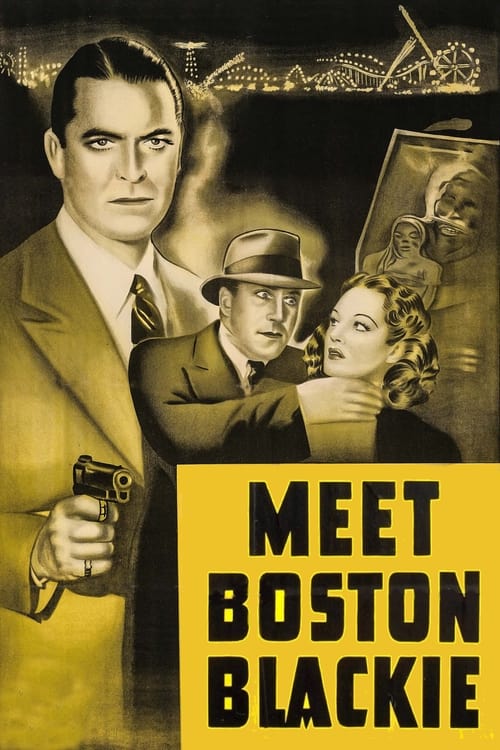
1941
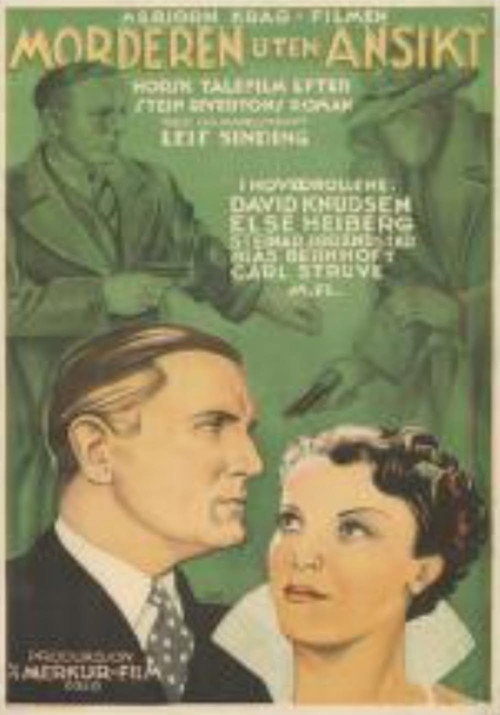
1936
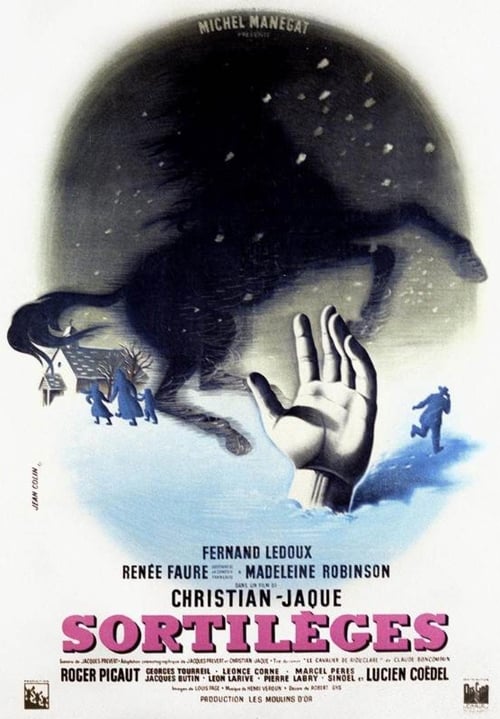
1945
1960
1966
1966
1948
1942
1939
1950
1963
No reviews yet. Be the first to share your thoughts on this movie!
Use the rating form above to leave a star rating and optional review.