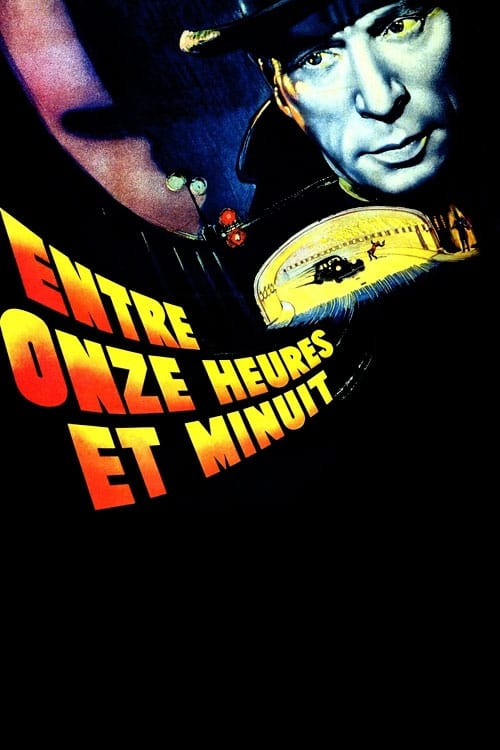
Between Eleven and Midnight
1949
No user ratings available yet
Representation score: 2.7 out of 10
Representation Score
Minimal
1950
Director
Raymond Leboursier
Runtime
95 minutes
Average Rating
No ratings yetNew Showbiz Analysis
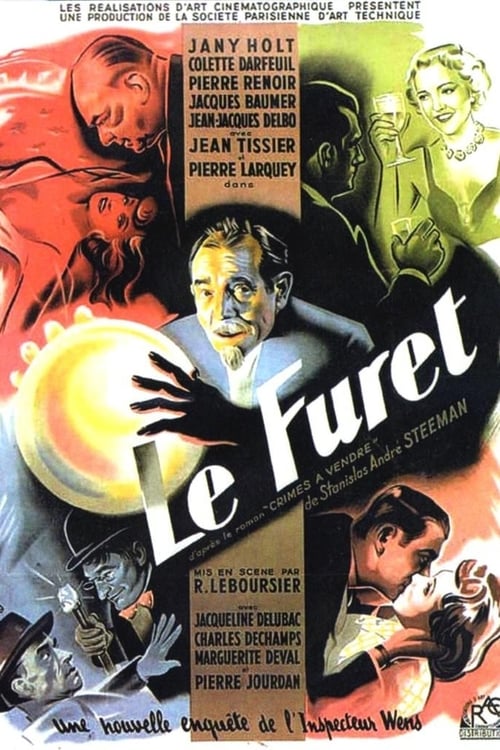
The Ferret is a conventional mid-century crime narrative that adheres to the standard genre clichés of the 1950s. It prioritizes established social hierarchies and procedural elements over progressive storytelling. The film lacks characters who reflect more than one aspect of diversity, focusing instead on a police manhunt and a fraudulent clairvoyant. This structure reinforces traditional gender roles and the authority of state institutions. Overall, the production reflects the demographic and social uniformity typical of the post-war European cinematic era.
Category Breakdown
The film does not include any characters with non-binary or LGBTQ+ identities, nor does it show any same-sex relationships. The storyline revolves around a police manhunt, which tends to reinforce the idea that everyone is straight and cisgender.
The story focuses on a police manhunt, a theme traditionally centered around male authority figures. There are no women portrayed in positions of structural power or influence.
Set in Paris, the film seems to mirror the demographic uniformity of post-war European cinema. It lacks visible signs of racial diversity or characters of color with substantial roles.
The plot follows a traditional crime mystery that upholds legal and social institutions. It does not question or challenge Western cultural norms or prioritize secular themes.
There is no mention of characters with physical or cognitive disabilities. The film does not highlight any characters with disabilities having significant roles or ability to act.
Present on Screen
Limited or Absent
Official Synopsis
A mysterious figure signing himself "The Ferret" keeps sending letters to the police, tipping them off about murders that are to be committed around Paris. Among those caught up in the police manhunt is a fraudulent clairvoyant.
1949
1960
1937
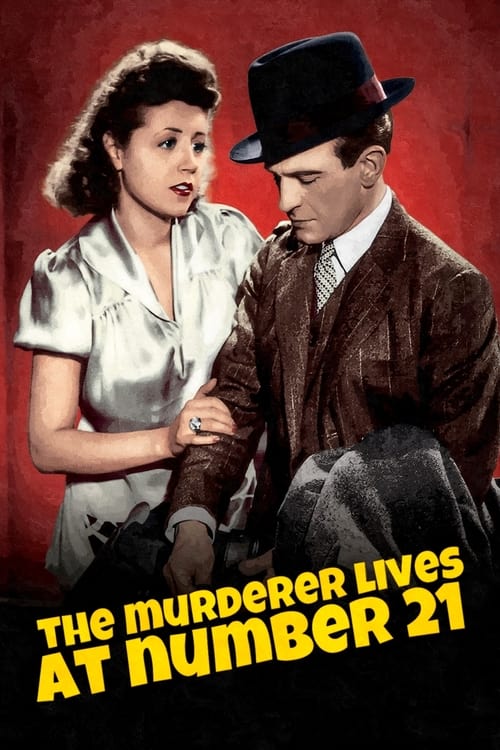
1942
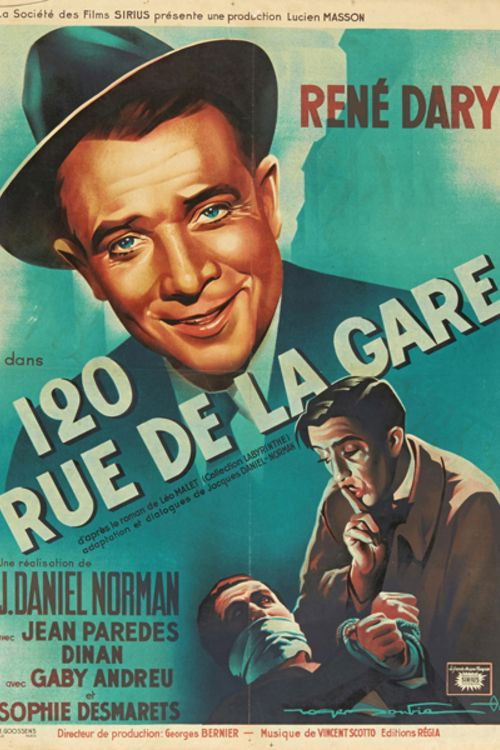
1946
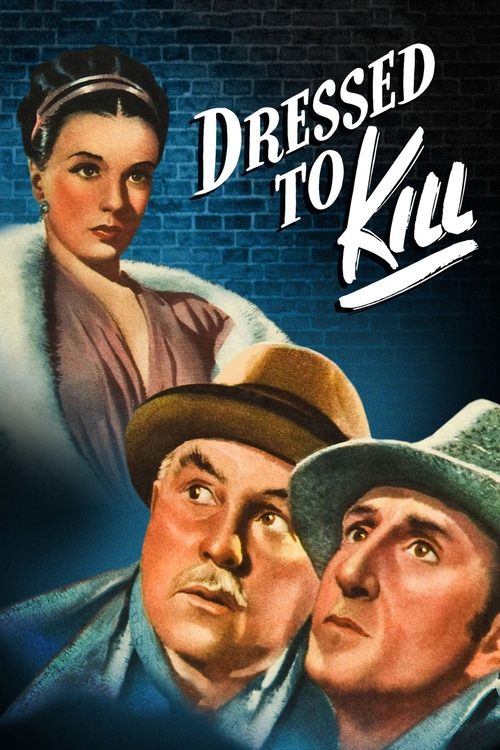
1946
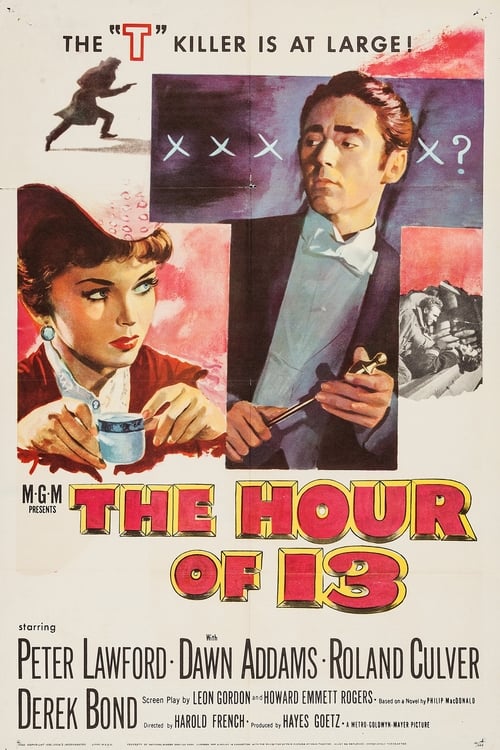
1952
1944
No reviews yet. Be the first to share your thoughts on this movie!
Use the rating form above to leave a star rating and optional review.