Meet Boston Blackie
1941
No user ratings available yet
Diversity score: 1.7 out of 10
1939
Director
Thorold Dickinson
Runtime
84 minutes
Average Rating
No ratings yetSynopsis
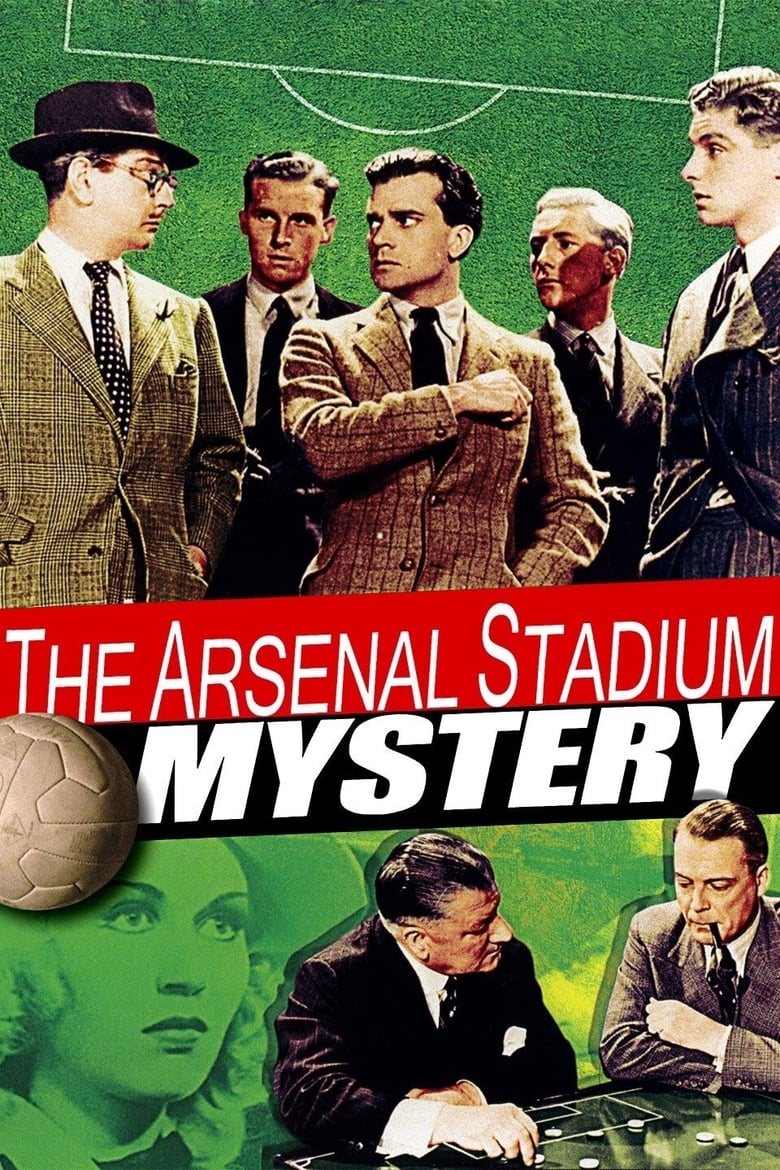
During a charity football match between Arsenal and touring amateur side Trojans, the Trojan's new star player collapses and dies. Inspector Slade of Scotland Yard is called in and declares it was murder. It takes all his ingenuity and another death before the motive is discovered and the killer revealed.
Overall Score
Minimal
Category Breakdown
LGBTQ+ Representation
The film lacks any LGBTQ+ characters or non-cisnormative identities. It adheres strictly to the traditional social landscape of 1939.
Gender Representation
Narrative agency is concentrated in Inspector Slade, reinforcing traditional masculine roles of authority. Women appear only in supporting capacities without subverting gender hierarchies.
Racial & Ethnic Diversity
The production reflects the homogeneous demographic norms of the era. There is no indication of a diverse cast or non-Anglo-Saxon majority.
Religious & Cultural Diversity
The story functions as a standard procedural that reinforces established social orders. It centers on restoring order through state institutions like Scotland Yard.
Disability Representation
While the plot involves a sudden death, there is no evidence of characters with disabilities portrayed with agency. The focus remains on the crime's mechanics.
Strengths
Areas for Improvement
AI Analysis
The film is a period-specific mystery that prioritizes plot resolution and investigative archetypes over social commentary. It operates within the conventional hierarchies of the late 1930s, offering little in the way of progressive representation. Character agency is heavily gendered, favoring masculine authority figures. The demographic makeup appears uniform, reflecting the era's lack of racial or cultural diversity in mainstream British cinema. Ultimately, the work serves as a standard genre example that maintains the status quo rather than challenging it.
1941
1961
1948
1949

2019
1943

1938
1950
1944
1941

1929
1931
No reviews yet. Be the first to share your thoughts on this movie!
Use the rating form above to leave a star rating and optional review.