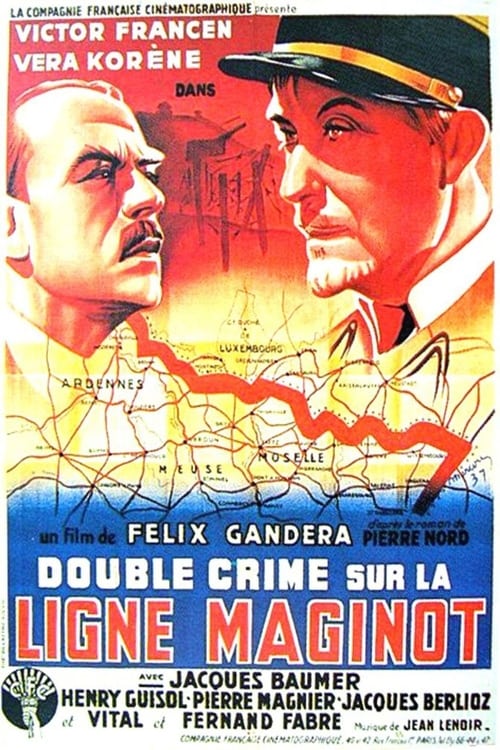
Double Crime in the Maginot Line
1937
No user ratings available yet
Representation score: 0.5 out of 10
Representation Score
Minimal
1948
Director
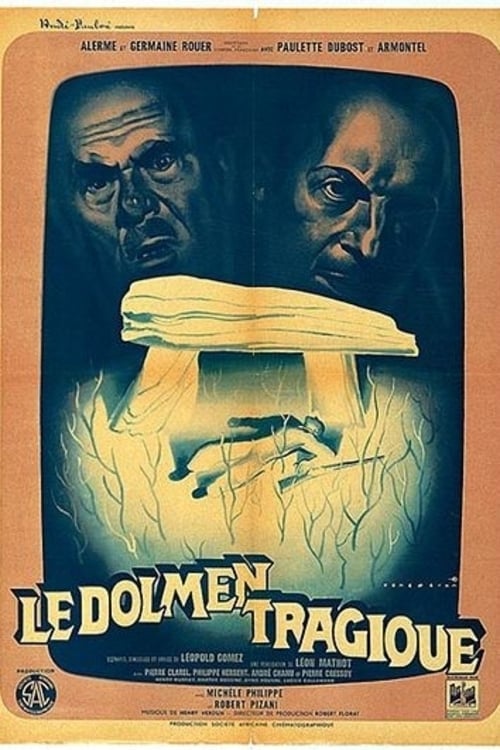
Léon Mathot
Runtime
100 minutes
Average Rating
No ratings yetNew Showbiz Analysis
Le dolmen tragique follows a conventional mid-century crime procedural format. The narrative structure adheres to the social hierarchies of 1948, focusing on a detective unraveling a web of suspicion within an aristocratic manor. The film lacks representation of diverse identities, including LGBTQ+ individuals and characters with disabilities. The cast appears homogeneous, reflecting the period's typical focus on Western European social structures. While the inclusion of a séance adds a layer of spiritualist intrigue, the film remains rooted in traditional genre clichés rather than progressive storytelling.
Category Breakdown
The film does not include any characters who identify as LGBTQ+. The plot revolves around a traditional crime investigation involving a naval officer and a spy.
The story focuses on male-dominated roles such as the detective, naval officer, and spy. Female characters are not prominently featured, suggesting a traditional gender hierarchy.
The setting is centered on Western European aristocracy within a French manor. There is no indication of diverse casting or non-Anglo-Saxon majority representation.
The story uses Western clichés and class-based hierarchies. A dramatic séance introduces spiritualist elements, though the film's stance on these beliefs is unclear.
There are no characters with physical, sensory, or neurodivergent disabilities. Such traits do not play a role in the character arcs.
Present on Screen
Limited or Absent
Official Synopsis
Chatelard, one of Viscount de Kerlec's guests, has died in mysterious conditions. The police initiates an investigation and sends detective-inspector Pauc to de Kerlec's manor. Pauc decides to mingle with the viscount's guests , who are all likely to have committed the murder. Among them, there is Jacques Mauclerc, a naval officer, and a seedy character named Bartoli, in fact a spy in search of secret documents. Pauc will end up untangling the web during a dramatic séance.
1937
1983
1932
1945
1959
1960
1961
1954
No reviews yet. Be the first to share your thoughts on this movie!
Use the rating form above to leave a star rating and optional review.