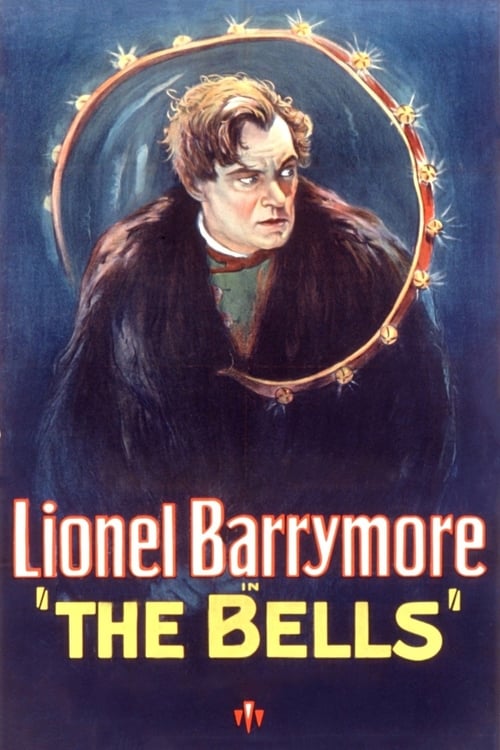
The Bells
1926
No user ratings available yet
Representation score: 1.8 out of 10
Representation Score
Minimal
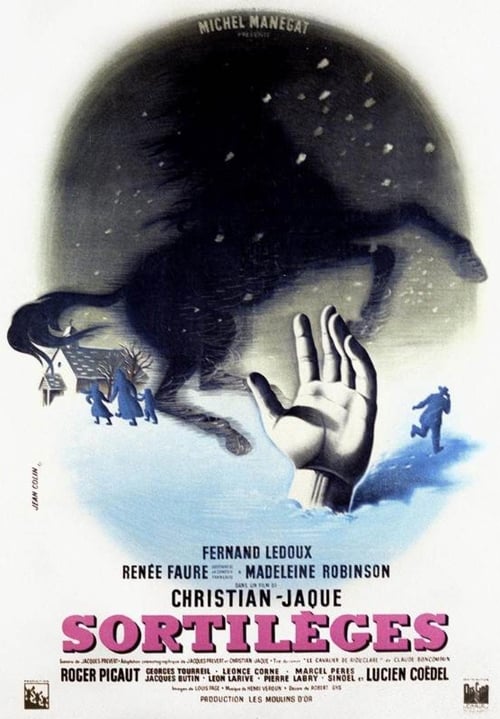
1945
Director
Christian-Jaque
Runtime
100 minutes
Average Rating
No ratings yetNew Showbiz Analysis
The Bellman (1945) functions as a classic fatalistic drama, emphasizing themes of greed, class tension, and tragic misunderstandings. The narrative structure relies heavily on traditional archetypes and social hierarchies common in mid-century European cinema. While the film delves into social standing and economic status, it does so through a lens of manipulation and consequence. It lacks the intentional subversion of identity-driven narratives or the complexity of intersecting identities found in more progressive works. Ultimately, the film adheres to the social conventions of its era. It focuses on a cycle of village-based conflict without disrupting established power structures or offering nuanced representations of neurodivergence.
Category Breakdown
The film centers on traditional heterosexual relationships and marriage dynamics. It does not include any non-cisgender identities or challenge the assumption that everyone is straight.
Female characters are shown primarily through their relationships with men. They play key roles in driving the conflict but operate within traditional social pressures rather than challenging gender hierarchies.
The story reflects a homogeneous European society typical of its mid-1940s French Alps setting. It does not intentionally expand its demographic range.
The film examines morality and social class through traditional lenses. It upholds conventional village social structures without critiquing Western institutions.
A character with a head injury is a central figure. However, the condition is used as a plot device for manipulation rather than giving the character real control over their actions.
Present on Screen
Limited or Absent
Official Synopsis
The bell ringer at a way station in the French Alps, murders a passing horse trader with a thrown rock and relieves him of his bankroll, in order to bribe the daughter of his only friend, a head injury victim considered the village simpleton, into marrying him, despite her love for a lowly woodsman who is, in turn, being cajoled into marriage by the daughter of the wealthy innkeeper.
1926
1938
1936
1946
1939
1927
1935
1927
No reviews yet. Be the first to share your thoughts on this movie!
Use the rating form above to leave a star rating and optional review.