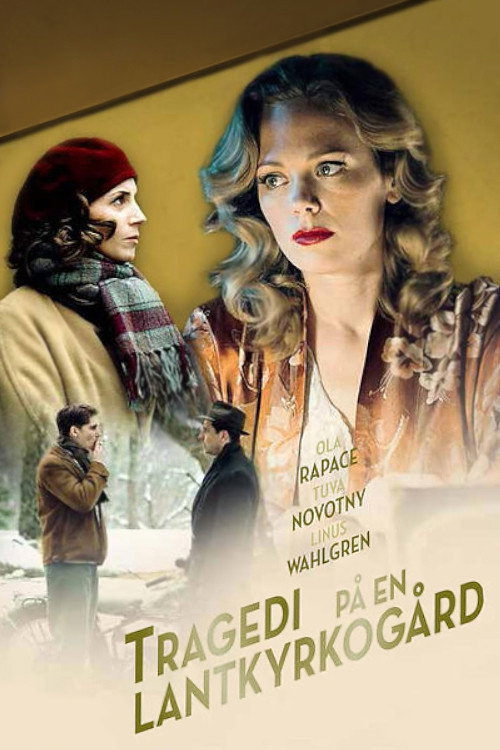
Tragedy in a Country Churchyard
2013
No user ratings available yet
Representation score: 3.4 out of 10
Representation Score
Minimal
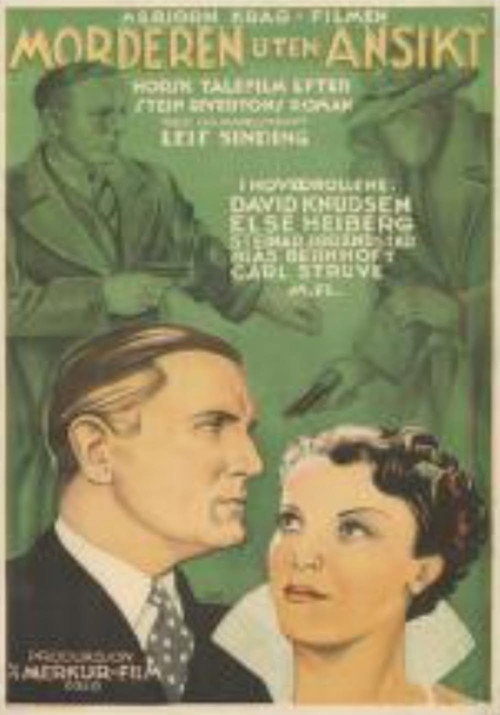
1936
ADirector
Leif Sinding
Runtime
81 minutes
Average Rating
No ratings yetNew Showbiz Analysis
Morderen uten ansikt is a product of its time, functioning as a conventional crime procedural from the mid-1930s. The narrative depends on well-established authority figures, such as Captain Rye and detective Asbjørn Krag, to move the plot forward. Given that it is a localized Norwegian production from 1936, the film lacks complexity in reflecting multiple aspects of identity. Instead, it focuses on traditional investigative formats and social hierarchies without challenging broader social norms. Ultimately, the film captures the essence of 1930s genre filmmaking, emphasizing standard social structures and homogeneous casting over any form of social or cultural disruption.
Category Breakdown
The film does not include any LGBTQ+ characters or narratives. It follows the assumption that everyone is straight or cisgender, which was common in 1930s Norwegian crime cinema.
The story focuses on masculine roles, such as a Captain and a private detective. The rural setting emphasizes traditional gender roles.
The cast is made up of people from similar ethnic backgrounds, reflecting the local Norwegian context of the time. There is no evidence of diverse casting or non-white actors.
The story follows a classic detective format that upholds the social and legal norms of its time. It operates within the moral standards of the era.
The film does not feature any characters with visible or invisible disabilities. Disability is not a central theme in this crime drama.
Present on Screen
Limited or Absent
Official Synopsis
Tragic events and murders on the landowner's farm lead to Captain Rye becoming a suspect. Private detective Asbjørn Krag is a friend whom Rye calls upon to solve the case.
2013

2014
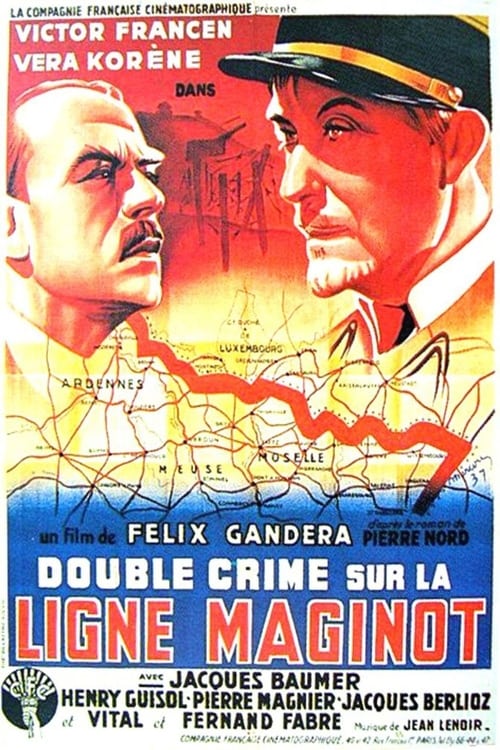
1937

1946
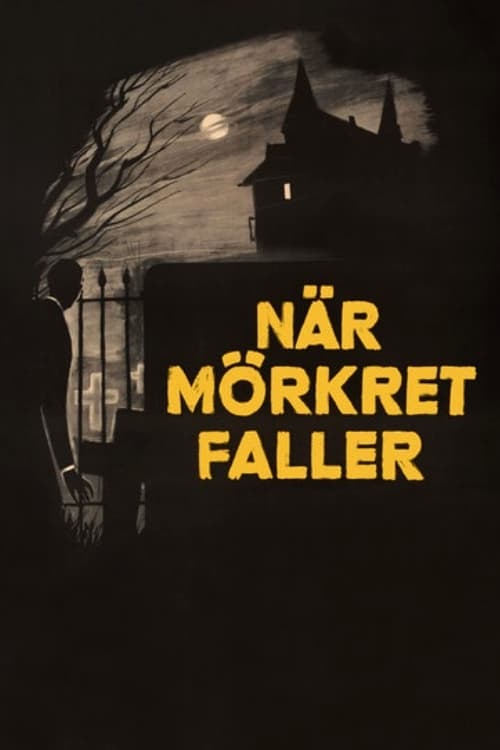
1960

2013
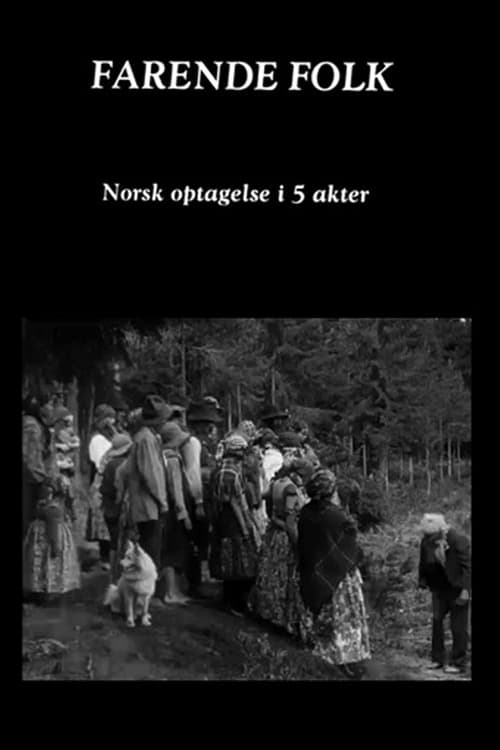
1922
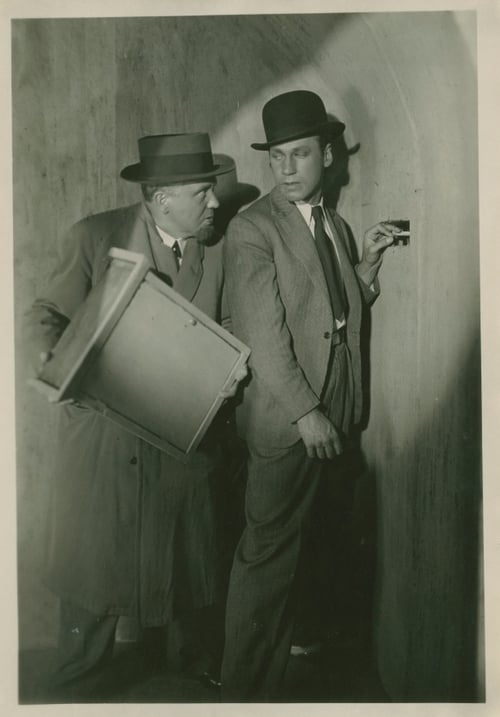
1933
No reviews yet. Be the first to share your thoughts on this movie!
Use the rating form above to leave a star rating and optional review.