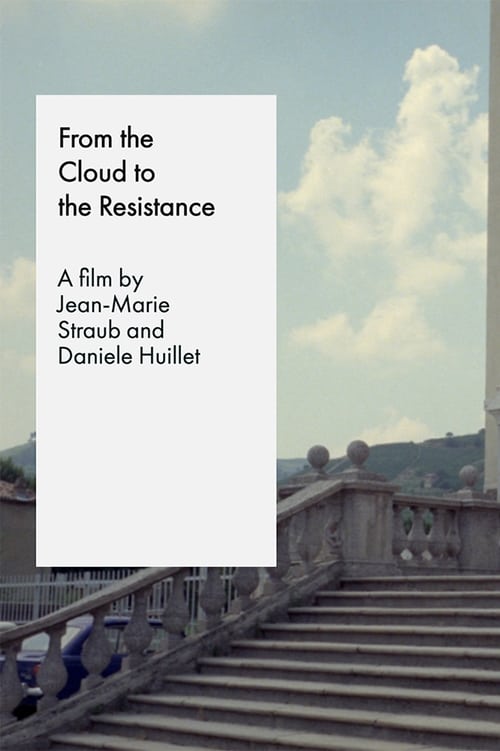
From the Clouds to the Resistance
1979
No user ratings available yet
Diversity score: 4.5 out of 10

1971
Director
Danièle Huillet, Jean-Marie Straub
Runtime
88 minutes
Average Rating
No ratings yetSynopsis
Straub-Huillet’s first color film, adapts a lesser-known Corneille tragedy from 1664, which in turn was based on an episode of imperial court intrigue chronicled in Tacitus’s Histories. The costuming is classical, and the toga-clad, nonprofessional cast performs the drama’s original French text amid the ruins of Rome’s Palatine Hill while the noise of contemporary urban life hums in the background. Their lines are executed with a terrific flatness and frequently through heavy accents; the language in Othon becomes not merely an expression but a thing itself, an element whose plainness here alerts us to qualities of the work that might otherwise be subordinated.
Overall Score
Fair
Category Breakdown
LGBTQ+ Representation
The film adheres to the traditional romantic and political pairings of 17th-century tragedy. There is no evidence of non-heteronormative identities or same-sex intimacy.
Gender Representation
Phèdre provides meaningful representation, possessing agency that drives the tragic trajectory. The film's flat delivery avoids submissive tropes, though it does not actively seek to subvert gender hierarchies.
Racial & Ethnic Diversity
Casting is largely homogeneous, reflecting European theatrical traditions. The production does not utilize race-bent casting or diverse ethnic compositions to disrupt the classical Mediterranean setting.
Religious & Cultural Diversity
The film deconstructs Western norms by performing classical French text amidst Roman ruins. It treats language as a physical object, critiquing mainstream Western entertainment structures through an austere aesthetic.
Disability Representation
No visible or invisible disabilities are portrayed. Characters are presented through mythological and aristocratic archetypes, which precludes the exploration of neurodivergence or physical disability.
Strengths
Areas for Improvement
AI Analysis
Othon is a work of profound formalist disruption that prioritizes materialist methodology over demographic variety. It succeeds in subverting the 'prestige' period piece by rejecting Hollywood-style emotional manipulation in favor of a rigorous, detached aesthetic. However, the film lacks contemporary representation regarding LGBTQ+ identities, racial diversity, and disability. The casting remains homogeneous, rooted in the historical and theatrical context of the Corneille source material. The resulting score reflects a tension between the film's traditional, homogeneous casting and its highly progressive, anti-establishment cinematic approach.
1979
1975
1973
1953
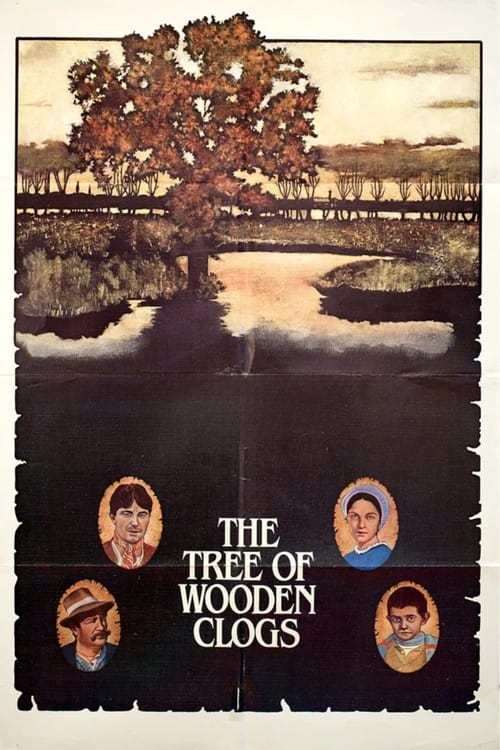
1978
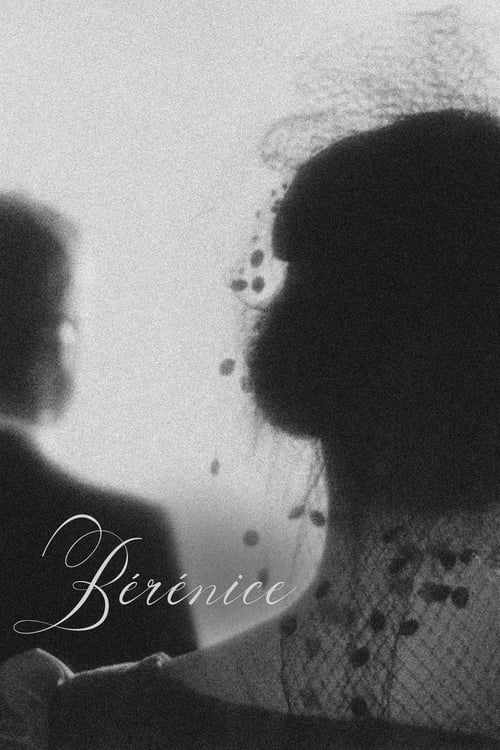
1983
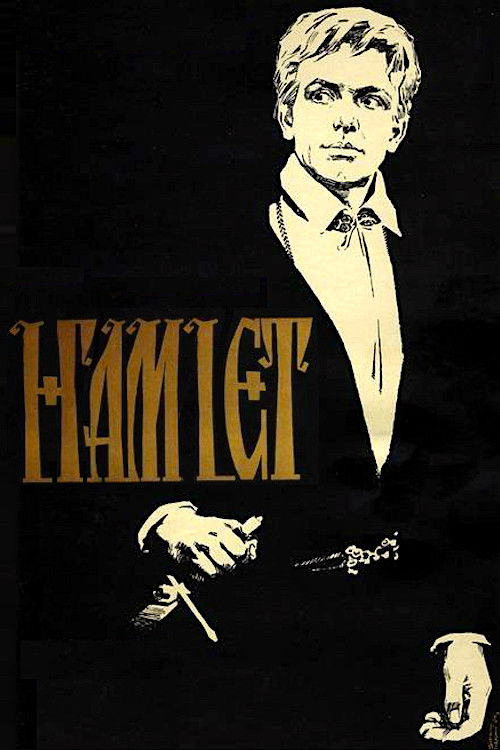
1964
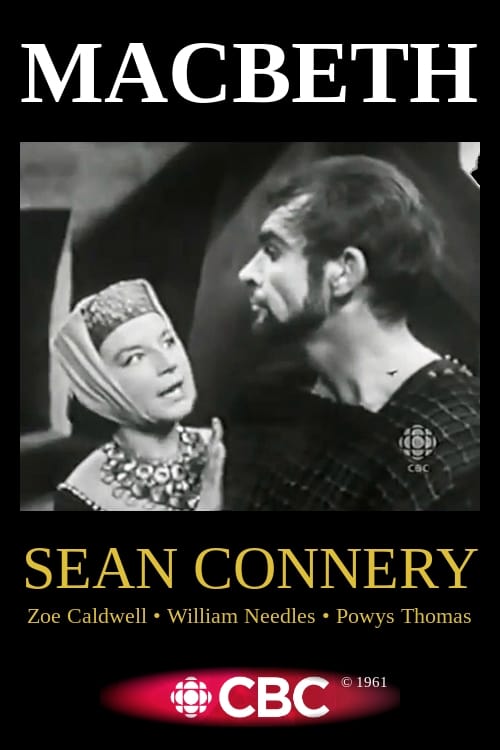
1961
1980
1969
1981
1969
No reviews yet. Be the first to share your thoughts on this movie!
Use the rating form above to leave a star rating and optional review.