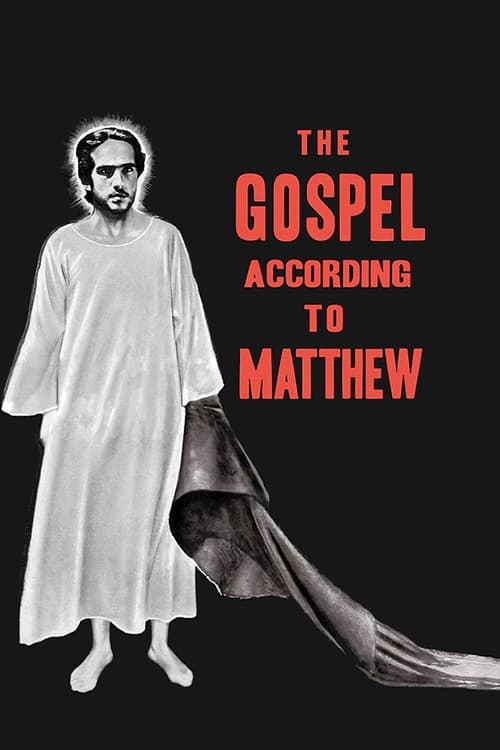
The Gospel According to St. Matthew
1965
No user ratings available yet
Representation score: 4.2 out of 10
Representation Score
Limited
1975
Not RatedDirector
Danièle Huillet, Jean-Marie Straub
Runtime
107 minutes
Average Rating
No ratings yetNew Showbiz Analysis
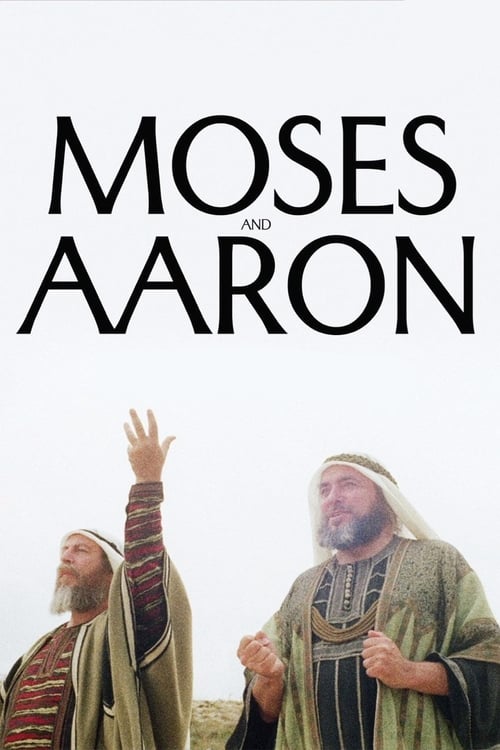
Moses und Aron is a formalist exploration that deconstructs cinematic norms rather than focusing on demographic inclusivity. It prioritizes the subversion of traditional epic structures and the critique of imperial power over modern representation standards. The film's strength lies in its ability to use diverse casting and settings to challenge conventional epic expectations and promote intellectual engagement. However, it maintains traditional masculine hierarchies and does not engage with LGBTQ+ or gender-challenging narratives.
Category Breakdown
The film strictly follows biblical archetypes and does not include any non-straight or non-cisgender identities or stories involving same-sex relationships.
The narrative adheres to traditional biblical hierarchies without challenging the power dynamics between genders. The story focuses on the masculine debate between Moses and Aaron.
The film casts actors from various ethnic backgrounds to create a Brechtian aesthetic. This approach breaks away from conventional epic casting by emphasizing theatricality.
The film critiques absolute authority and imperial dominance through the Israelites' struggle. It presents a nuanced view of the tension between strict laws and divine intervention.
The film does not prominently depict disabilities that play a key role in the narrative or serve as central character arcs.
Present on Screen
Limited or Absent
Official Synopsis
A familiar Biblical tale transformed into a cinematic opera of seemingly endless possibility. In expressive, melodic tones, the fraternal pair debate God’s true message and intent for His creations, a conflict that leads their followers towards chaos and sin. Set almost entirely within a Roman amphitheater whose history lends every precise line-reading and gesture, every startling camera move and cut, a totalizing force.
1965
1955
2016

1943
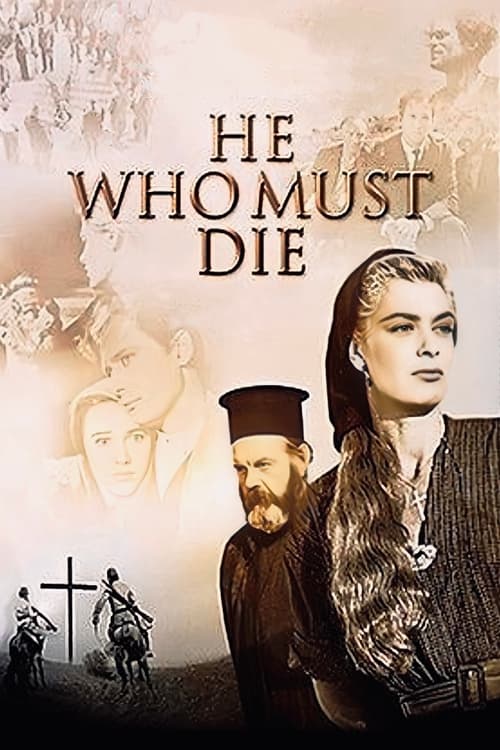
1957
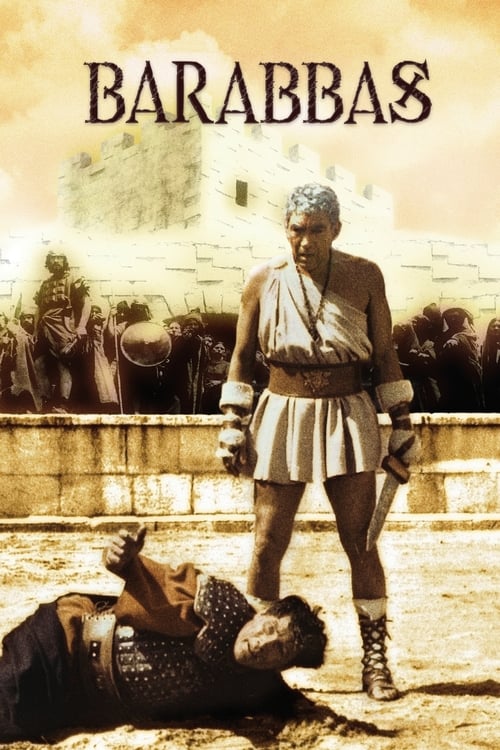
1961
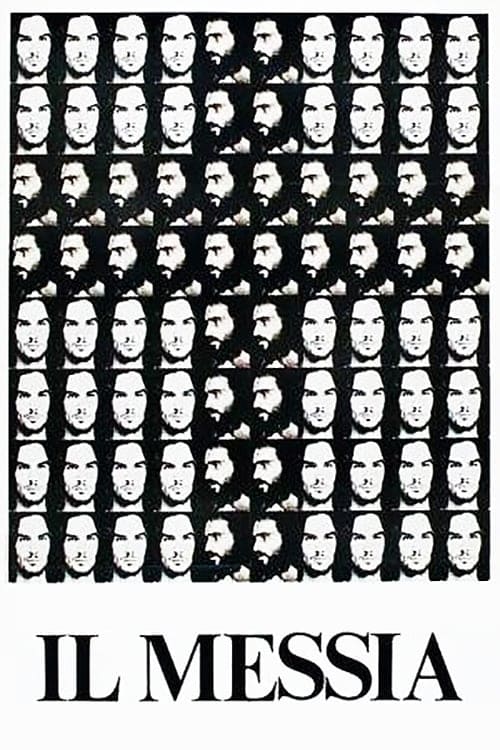
1975
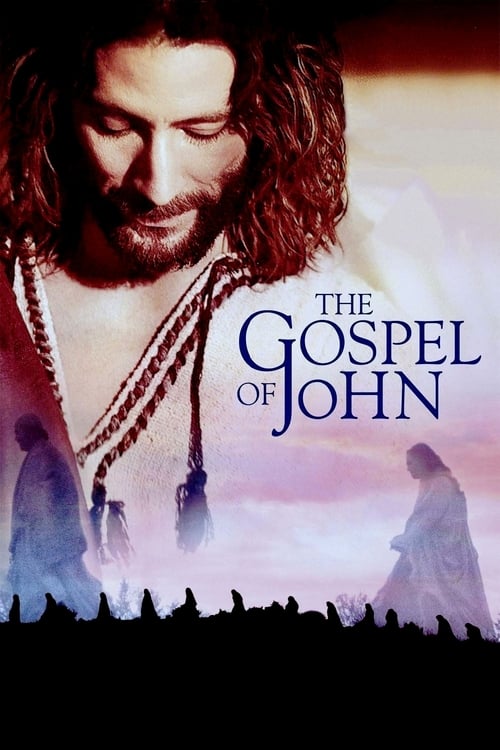
2003
No reviews yet. Be the first to share your thoughts on this movie!
Use the rating form above to leave a star rating and optional review.