Hamlet
1969
No user ratings available yet
Representation score: 4.1 out of 10
Representation Score
Limited
1964
Director
Grigori Kozintsev
Runtime
140 minutes
Average Rating
No ratings yetNew Showbiz Analysis
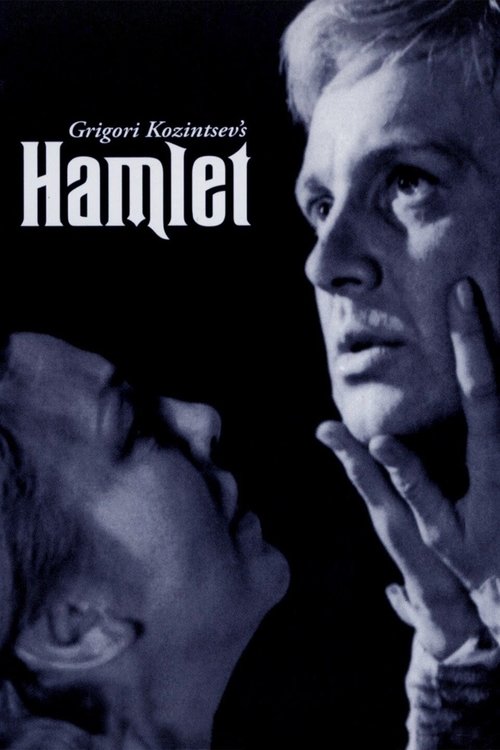
Kozintsev’s adaptation is a formalist study of systemic entrapment rather than a showcase for diverse demographics. It prioritizes the deconstruction of institutional corruption over modern identity representation. The film serves as a critique of absolute power, using the setting of Elsinore to mirror a decaying state. While it lacks interpersonal diversity, it provides a sophisticated intellectual critique of hierarchical structures. Ultimately, the work stays true to its historical and literary roots, focusing on the isolation of the intellectual within a rigid, traditionalist social order.
Category Breakdown
The film follows the historical and literary framework of the source material closely. There are no depictions of LGBTQ+ identities or same-sex relationships.
Female characters such as Gertrude and Ophelia play crucial roles in the emotional tension. However, the narrative is mainly driven by male characters within a patriarchal framework focused on revenge.
The cast is ethnically uniform, reflecting the European medieval setting. There is no indication of color-blind casting or challenging racial norms.
Kozintsev excels in criticizing traditional Western institutions. The film portrays the monarchy as a corrupt, oppressive system of surveillance and moral decay.
Representation of disabilities is limited. While the film delves into Hamlet's profound psychological distress, it treats these conditions as existential states rather than specific neurodivergent issues.
Present on Screen
Limited or Absent
Official Synopsis
Shakespeare's 17th century masterpiece about the "Melancholy Dane" was given one of its best screen treatments by Soviet director Grigori Kozintsev. Kozintsev's Elsinore was a real castle in Estonia, utilized metaphorically as the "stone prison" of the mind wherein Hamlet must confine himself in order to avenge his father's death. Hamlet himself is portrayed (by Innokenti Smoktunovsky) as the sole sensitive intellectual in a world made up of debauchers and revellers. Several of Kozintsev directorial choices seem deliberately calculated to inflame the purists: Hamlet's delivers his "To be or not to be" soliloquy with his back to the camera, allowing the audience to fill in its own interpretations.
1969
1948

1976
1957
2000
1952
2001
1948
No reviews yet. Be the first to share your thoughts on this movie!
Use the rating form above to leave a star rating and optional review.