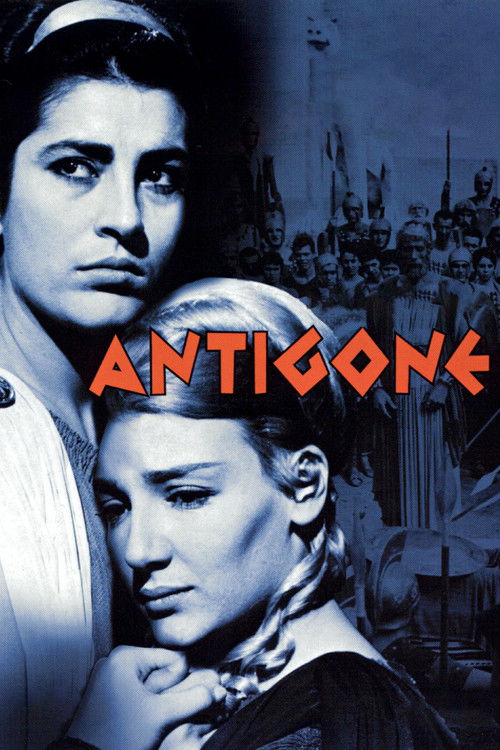
Antigone
1961
No user ratings available yet
Representation score: 5.9 out of 10
Representation Score
Good
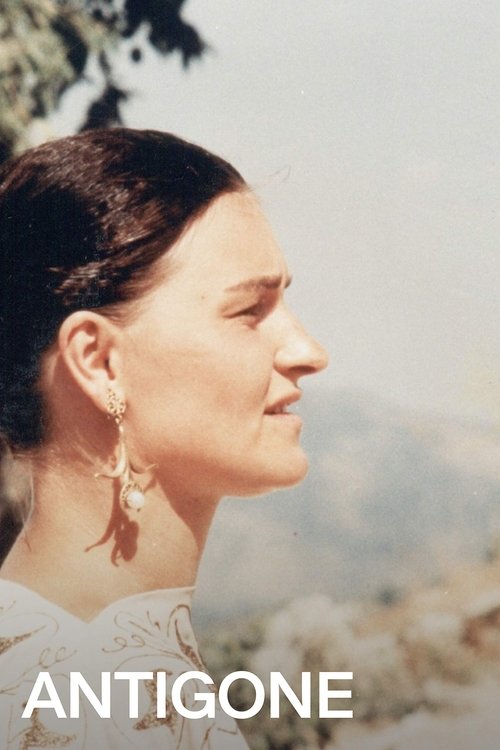
1992
Director
Danièle Huillet, Jean-Marie Straub
Runtime
100 minutes
Average Rating
No ratings yetNew Showbiz Analysis
This adaptation of the classic tragedy succeeds by focusing on the subversion of traditional gender hierarchies. Antigone is portrayed as a powerful moral force against patriarchal rule, making the film a study of individual conscience versus state authority. While the film lacks modern identity markers like LGBTQ+ representation or specific racial subversions, it offers a sophisticated critique of institutional power. The tension between divine and secular laws provides a profound exploration of systemic oppression. Ultimately, the work functions as a formalist deconstruction of power. It trades explicit modern identity politics for a deep examination of how authority is exercised and resisted through the lens of classical tragedy.
Category Breakdown
The film centers on the core conflicts of a Greek tragedy, focusing on familial and state struggles. It does not depict non-straight or non-cisgender identities or same-sex relationships.
Antigone emerges as the main character, showing strong moral courage that challenges male-dominated power structures. The film highlights masculine state authority as an obstacle to natural justice.
The casting adheres to traditional theatrical practices. While the cast includes a variety of actors, the production does not emphasize race-bending as a key narrative element.
The story emphasizes divine responsibility over secular laws. By portraying the protagonist's defiance as a rebellion against systemic oppression, it critiques institutional power.
The production does not include physical or neurological disabilities as central plot elements. The focus remains on philosophical and political conflicts.
Present on Screen
Limited or Absent
Official Synopsis
A fearless Antigone, refusing to allow the dishonored body of her murdered brother Polynices to be devoured by vultures and dogs, defies the Thebian tyrant Creon by burying him.
1961
1967
1969

1975

2019
1968
1957
2018
No reviews yet. Be the first to share your thoughts on this movie!
Use the rating form above to leave a star rating and optional review.