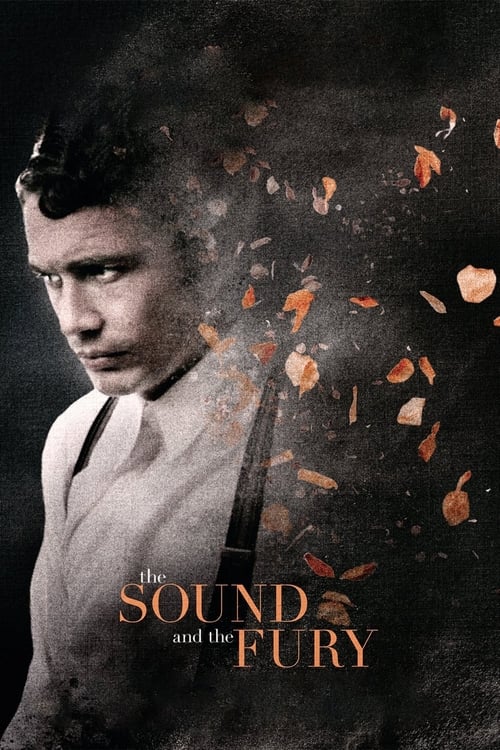
The Sound and the Fury
2015
No user ratings available yet
Representation score: 6.5 out of 10
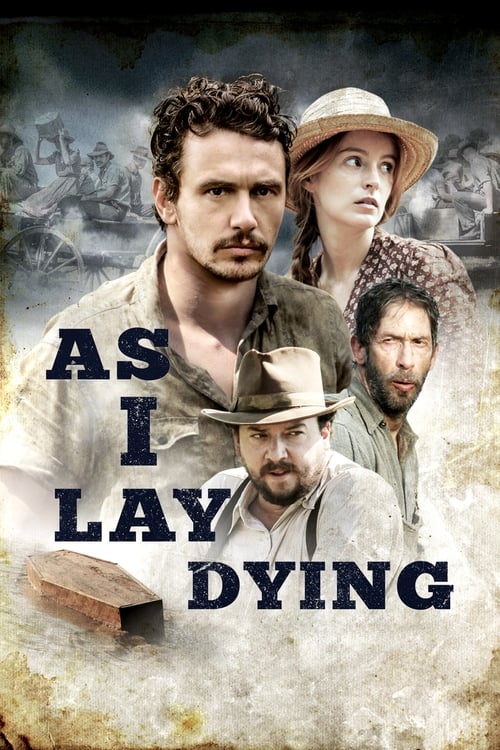
Representation Score
Good
2013
RDirector
James Franco
Runtime
110 minutes
Average Rating
No ratings yetNew Showbiz Analysis
James Franco’s adaptation of Faulkner’s novel serves as a deconstruction of the traditional American family. By using a fragmented, multi-perspective narrative, the film challenges the idea of a cohesive reality in favor of subjective experience. The film achieves complexity by subverting cultural norms and questioning the sanctity of the domestic sphere. However, it remains limited by its narrow demographic focus, lacking in breadth regarding racial and LGBTQ+ representation.
Category Breakdown
The film does not include explicit LGBTQ+ characters or non-straight relationships. Its focus remains on the Bundren family's heterosexual dynamics.
Female characters play significant roles in driving the story's themes. The film challenges traditional gender hierarchies through Addie Bundren's monologue, which critiques marriage and femininity.
Set in the early 20th-century American South, the film focuses on a homogeneous white rural family. It does not actively represent diverse racial perspectives.
The film provides a critical look at traditional Western institutions and the 'ideal' family. It replaces religious comfort with a raw, nihilistic exploration of mortality and nature's indifference.
Psychological trauma and the emotional impact of grief are explored. However, these are not presented through specific, ability to act-driven depictions of disability.
Present on Screen
Limited or Absent
Official Synopsis
Strife and disaster befall a poor Mississippi family during a two-day trip by horse and wagon to bury their deceased matriarch.
2015
1984
2010
1985

2013
1953
2024
2023
No reviews yet. Be the first to share your thoughts on this movie!
Use the rating form above to leave a star rating and optional review.