Sansho the Bailiff
1954
No user ratings available yet
Diversity score: 6.3 out of 10
1971
PGDirector
Mihalis Kakogiannis
Runtime
105 minutes
Average Rating
No ratings yetSynopsis
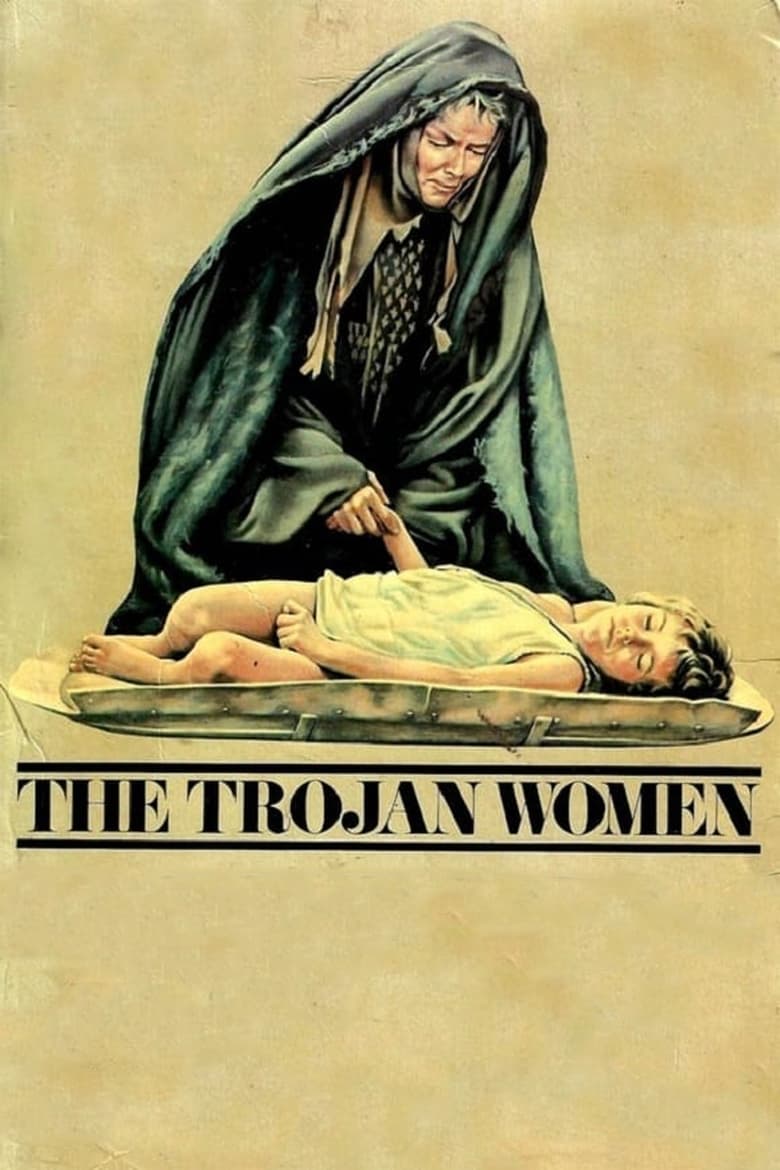
In the aftermath of the Trojan Wars, Queen Hecuba takes stock of the defeated kingdom. Her son has been killed, and his widow, Andromache, is left to raise their son, Astyanax, alone. Hecuba's daughter, Cassandra, fears being enslaved by her Greek masters, while Helen of Troy risks being executed. Astyanax also becomes the focus of the Greeks' attention as the last male heir of the Trojan royal family.
Overall Score
Good
Category Breakdown
LGBTQ+ Representation
The narrative focuses on the immediate survival and grief of the Trojan women. There is no discernible presence of queer subtext or non-cisnormative identities.
Gender Representation
The film centers entirely on female perspectives, subverting patriarchal hierarchies. It portrays the masculinity of the Greek victors as a source of dehumanizing violence rather than strength.
Racial & Ethnic Diversity
The film explores the dynamics of the 'othered' subject through Trojan and Greek identities. It depicts the Trojans as a displaced ethnic group facing systemic erasure.
Religious & Cultural Diversity
This work offers a profound critique of imperialistic conquest and the moral vacuum of war. It challenges the legitimacy of established power structures and imperial expansion.
Disability Representation
Representation is limited. While characters endure profound psychological trauma and physical displacement, these elements serve the broader political tragedy rather than exploring specific disabilities.
Strengths
Areas for Improvement
AI Analysis
Mihalis Kakogiannis delivers a sophisticated deconstruction of the traditional epic. By shifting the focus from heroic male conquerors to the lived experiences of the conquered women, the film subverts conventional cinematic expectations of strength and leadership. The narrative functions as a critique of empire, framing the Greek victors as an invasive, morally bankrupt force. This perspective complicates notions of ethnic superiority and challenges the glorification of conquest. While the film excels in gendered and cultural critique, it lacks specific representation for LGBTQ+ identities and focused explorations of disability, treating trauma primarily as a political tool.
1954

1992
1987

2018

2018

1977

1970

1979

1975

1980

2010

1950
No reviews yet. Be the first to share your thoughts on this movie!
Use the rating form above to leave a star rating and optional review.