Black Sin
1989
No user ratings available yet
Diversity score: 5.7 out of 10
1987
Director
Jean-Marie Straub, Danièle Huillet
Runtime
132 minutes
Average Rating
No ratings yetSynopsis
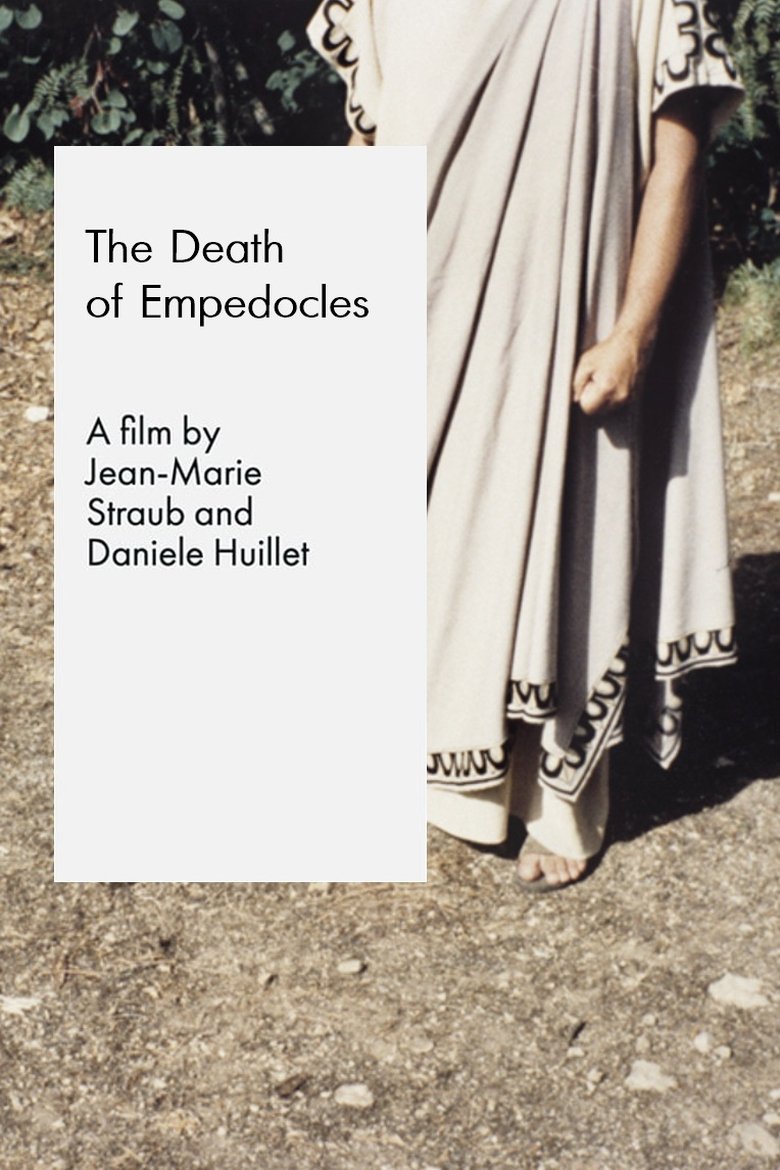
Film adaptation by Straub and Huillet of Hölderlin’s 1798 tragedy on the symbolic death of Empedocles, the legislator in Ancient Greece.
Overall Score
Fair
Category Breakdown
LGBTQ+ Representation
The film prioritizes philosophical inquiry and elemental symbolism over identity-driven character arcs. While its avant-garde structure avoids heteronormative tropes, there is no explicit evidence of queer-coded narratives or LGBTQ+ agency.
Gender Representation
The narrative disrupts conventional hierarchies by focusing on metaphysical agency rather than traditional domestic roles. It sidesteps gendered social structures but lacks specific subversions of gendered power dynamics.
Racial & Ethnic Diversity
Set in classical antiquity, the film appears to follow traditional historical reconstruction. There is no evidence of race-bent casting or the use of non-human metaphors for racial diversity.
Religious & Cultural Diversity
The work excels at disrupting Western institutional norms through a critique of bourgeois aesthetics. It embraces moral relativism and rejects singular, institutionalized truths through its focus on language and nature.
Disability Representation
The focus on elemental and philosophical struggles leaves little room for depicting physical or neurodivergent disabilities. The film avoids 'inspiration porn' but lacks characters with disabilities exercising narrative agency.
Strengths
Areas for Improvement
AI Analysis
The film functions as a work of intellectual resistance rather than demographic representation. It uses formalist aesthetics and Marxist-inflected rigor to challenge capitalist cinematic structures and traditional storytelling hierarchies. While the film lacks explicit intersectional character markers, its strength lies in its systemic critique of how history and philosophy are consumed. It replaces traditional character-driven drama with a deconstruction of classical tragedy. Ultimately, the film's progressiveness is found in its rejection of bourgeois narrative conventions, even if it remains limited in its depiction of specific social identities.
1989
1965
1992

1999

2015
2015

1969

1975

2006

2005
1979

1982
No reviews yet. Be the first to share your thoughts on this movie!
Use the rating form above to leave a star rating and optional review.