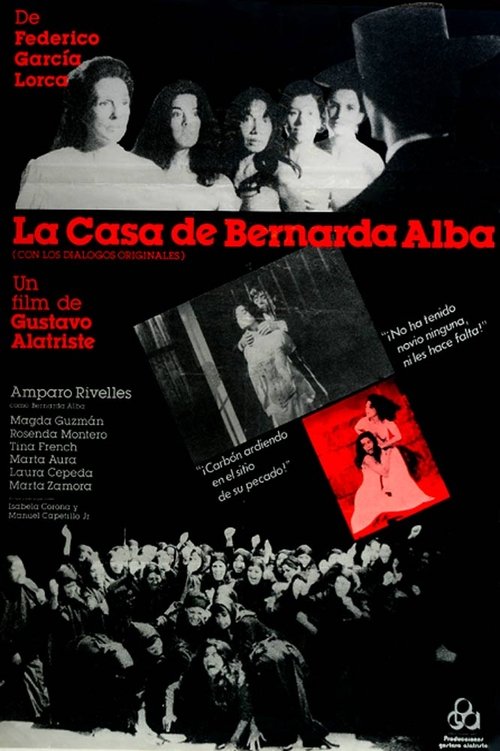
La casa de Bernarda Alba
1982
No user ratings available yet
Representation score: 6.0 out of 10
Representation Score
Good
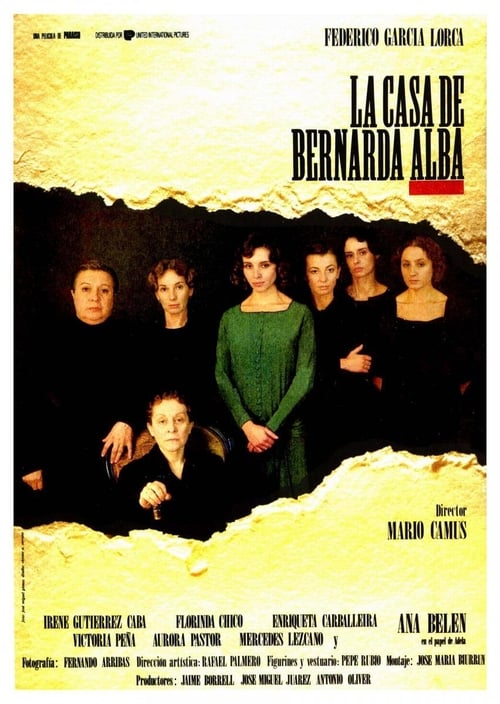
1987
Director
Mario Camus
Runtime
99 minutes
Average Rating
No ratings yetNew Showbiz Analysis
Mario Camus’s adaptation is a powerful exploration of how rigid social structures affect individuals. While the demographic profile remains traditional, the film’s narrative structure is progressive, particularly in its critique of systemic oppression and authority. The film excels in deconstructing gender roles and religious institutions, using the domestic sphere to expose the harm caused by submissive femininity and moral absolutism. However, it remains limited by its narrow focus on a specific, homogeneous social class and its lack of LGBTQ+ or disability-related representation.
Category Breakdown
The film focuses on the tension between traditional heterosexual norms and the repression of sexual desire. It does not include explicit LGBTQ+ identities or non-traditional gender expressions.
The narrative challenges traditional gender roles by highlighting the domestic confinement of women. Adela’s rebellion against maternal control drives the central storyline, emphasizing women's autonomy.
The film features a homogeneous Hispanic cast to maintain historical and regional authenticity in rural Andalusia. There is no multi-layered racial diversity due to its localized setting.
The film critiques religious morality and the nuclear family as oppressive forces. It challenges Catholic social codes by depicting village decency as a destructive mechanism.
The film does not significantly focus on visible or invisible disabilities. Character struggles are centered on socio-emotional repression and class anxiety.
Present on Screen
Limited or Absent
Official Synopsis
After the death of her husband Bernarda Alba puts her daughters under a rigurous mourning which does not even allow them to leave the house.
1982
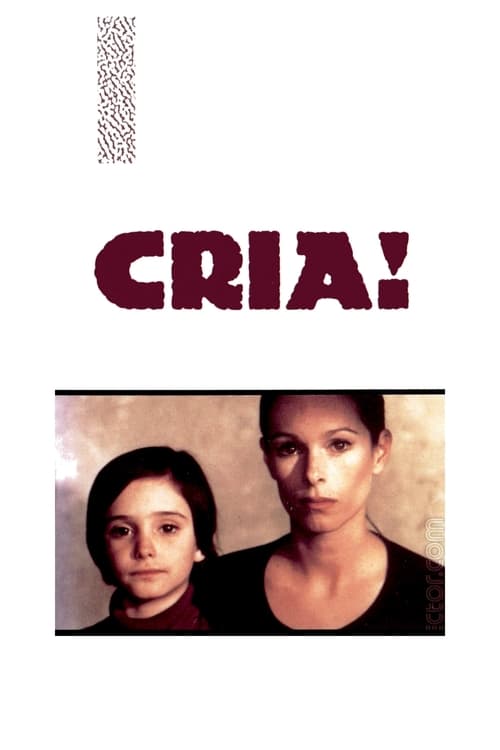
1976
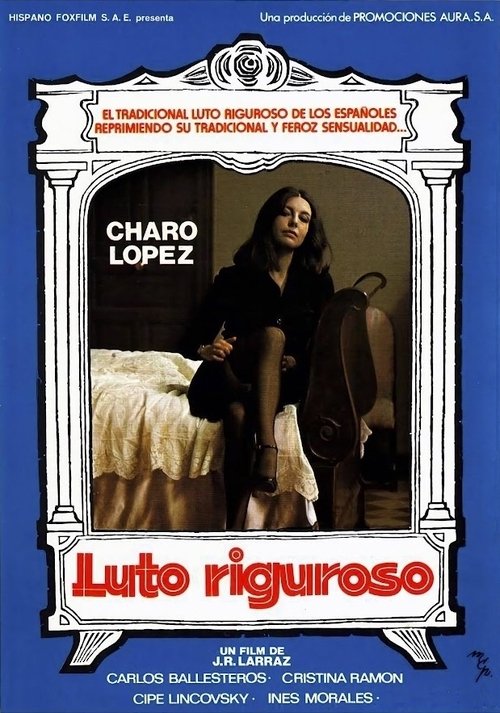
1978

1967

2011

1975

2005

2015
No reviews yet. Be the first to share your thoughts on this movie!
Use the rating form above to leave a star rating and optional review.