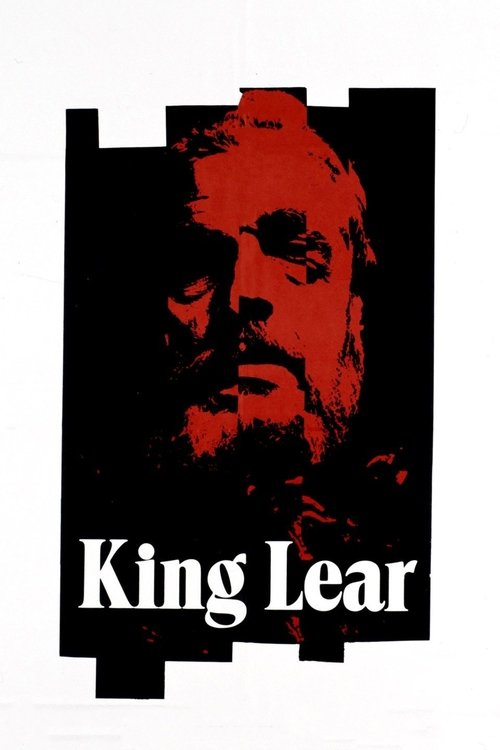
King Lear
1970
No user ratings available yet
Representation score: 4.7 out of 10
Representation Score
Fair
1970
PGDirector
Grigori Kozintsev
Runtime
132 minutes
Average Rating
No ratings yetNew Showbiz Analysis
Kozintsev’s adaptation is a stark, desolate deconstruction of power and social hierarchy. It prioritizes the systemic collapse of authority and the disintegration of the patriarchal structure over modern demographic variety. The film excels in its sophisticated critique of institutional stability and class cruelty. It uses the dysfunction of the family unit and the suffering of the destitute to highlight the fragility of the social order. However, the production remains limited by its period-specific context. It lacks LGBTQ+ representation and ethnic diversity, focusing instead on a homogeneous ensemble that reflects its 1970 Soviet origins.
Category Breakdown
The film follows the classical framework of the source material closely. There are no depictions of LGBTQ+ identities or same-sex intimacy.
The film explores gendered power dynamics by giving female characters significant roles. Goneril and Regan are strong drivers of the plot, challenging traditional expectations of submissive daughters through strategic political actions.
Casting is uniform, reflecting the film's 1970 Soviet production context. The stylized, proto-industrial setting features a localized ensemble rather than diverse ethnic representation.
The film critiques Western institutional structures by deconstructing the sanctity of the monarchy. It emphasizes historical materialism and the inherent cruelty found within rigid class hierarchies.
Mental and physical disabilities are central to the narrative. The descent into madness and Gloucester's blinding are treated with psychological depth and gravity rather than as superficial plot devices.
Present on Screen
Limited or Absent
Official Synopsis
King Lear, old and tired, divides his kingdom among his daughters, giving great importance to their protestations of love for him. When Cordelia, youngest and most honest, refuses to idly flatter the old man in return for favor, he banishes her and turns for support to his remaining daughters. But Goneril and Regan have no love for him and instead plot to take all his power from him. In a parallel, Lear's loyal courtier Gloucester favors his illegitimate son Edmund after being told lies about his faithful son Edgar. Madness and tragedy befall both ill-starred fathers.
1970
1967
1982
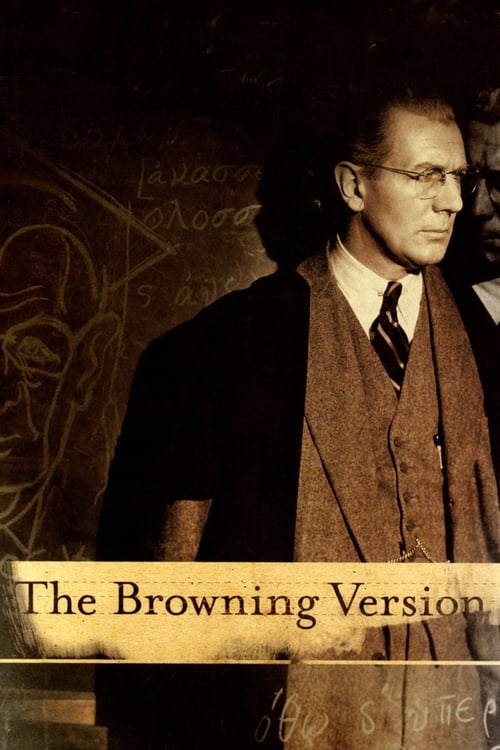
1951
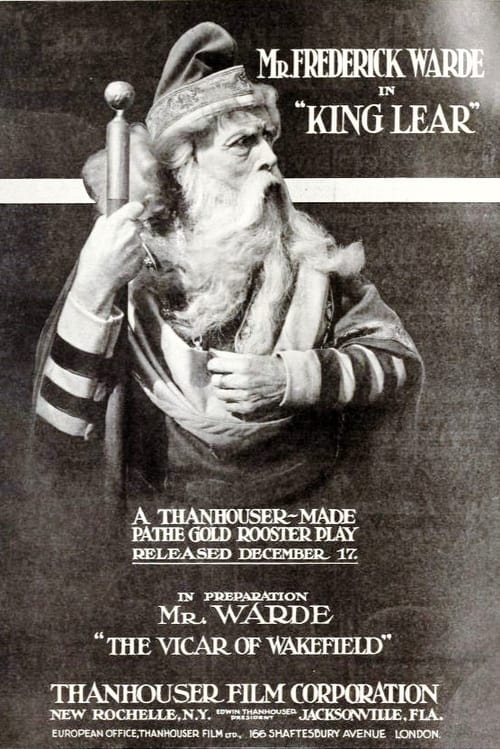
1916
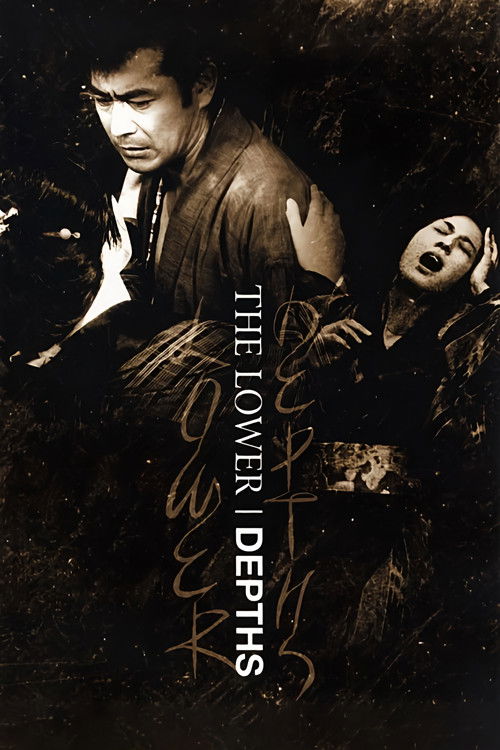
1957
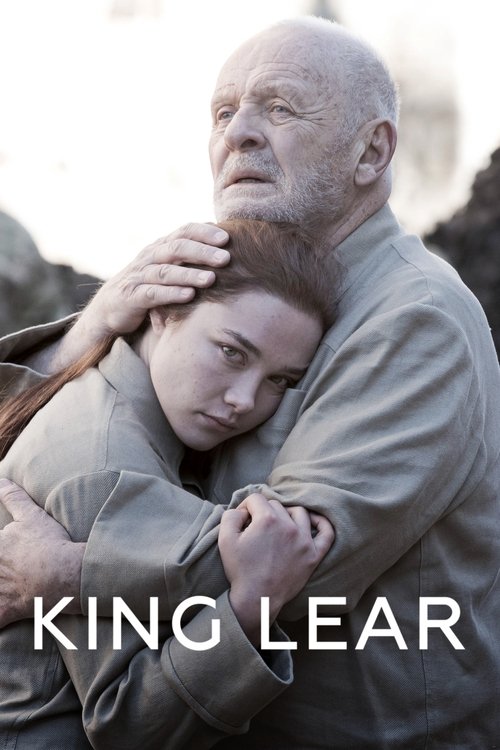
2018
1986
No reviews yet. Be the first to share your thoughts on this movie!
Use the rating form above to leave a star rating and optional review.