
Red Desert
1964
No user ratings available yet
Representation score: 4.6 out of 10

Representation Score
Fair
1957
NRDirector
Michelangelo Antonioni
Runtime
115 minutes
Average Rating
No ratings yetNew Showbiz Analysis
Antonioni’s work is a study of existential alienation rather than demographic diversity. It lacks modern representation of LGBTQ+ identities or ethnic diversity, remaining rooted in its specific 1950s Italian context. However, the film excels in its intellectual disruption of social norms. It deconstructs the traditional family unit and challenges the era's romantic archetypes through a lens of psychological isolation. Ultimately, the score reflects a tension between its lack of visible demographic diversity and its progressive, anti-materialist critique of Western social hierarchies.
Category Breakdown
The film does not include any LGBTQ+ characters or narratives. It centers on a failed attempt at a traditional romantic relationship.
The film challenges mid-century gender stereotypes by showing a profound breakdown in communication between genders. The female character drives isolation rather than being a passive object.
The cast is ethnically uniform, reflecting the 1950s rural Italian setting. It serves as a localized study of the Italian peasantry without diverse ethnic representation.
The narrative criticizes traditional institutions such as the family and social contracts. It emphasizes existentialism and moral relativism over singular religious or social morality.
While there are no characters with physical disabilities, the film explores psychological distress and incommunicability. It treats mental alienation as an existential reality rather than a tool for moral development.
Present on Screen
Limited or Absent
Official Synopsis
A sugar-refinery worker flees his Northern Italy town after a woman refuses his marriage proposal.
1964

1949

1974

1946

1948
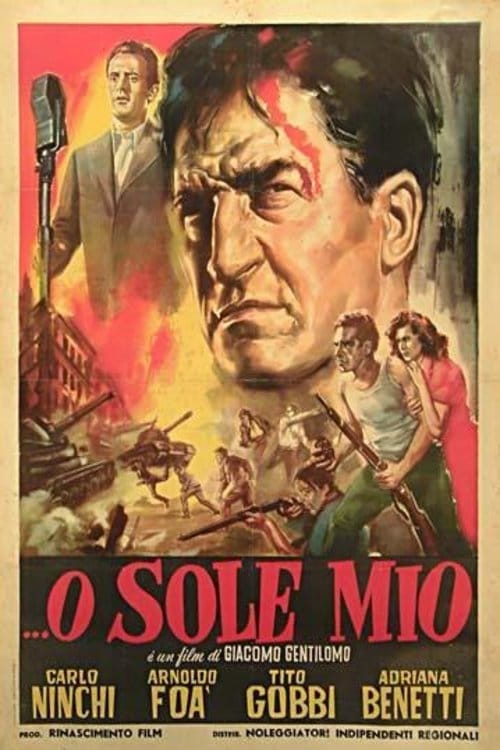
1946
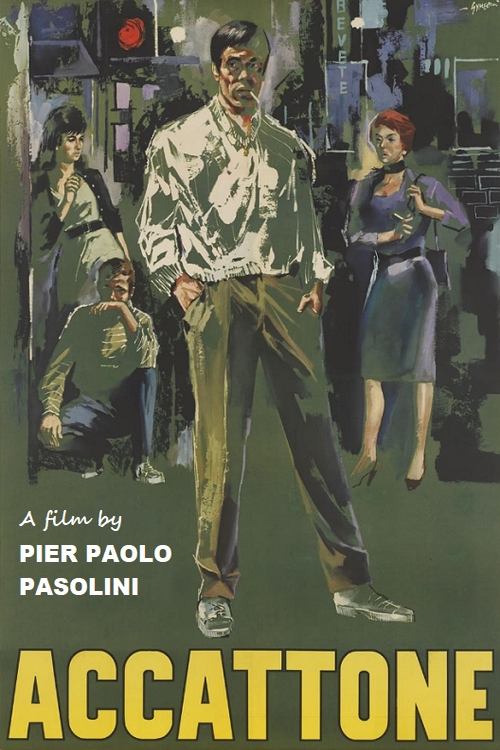
1961
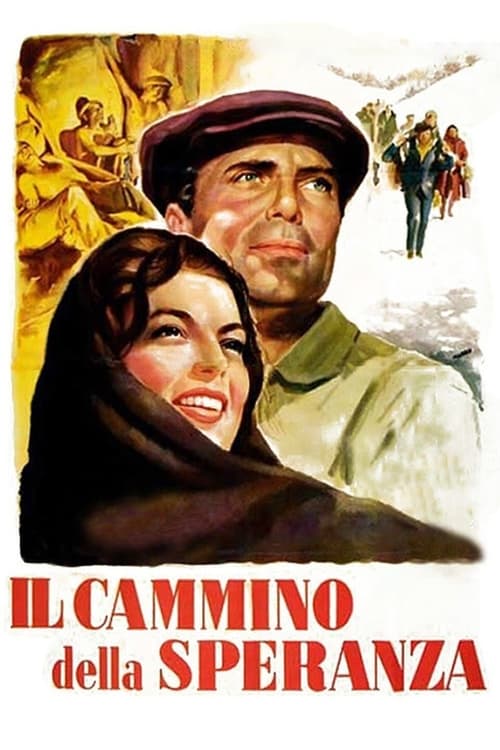
1950
No reviews yet. Be the first to share your thoughts on this movie!
Use the rating form above to leave a star rating and optional review.