
The 400 Blows
1959
No user ratings available yet
Representation score: 6.6 out of 10

Representation Score
Minimal
1955
Director
Jean Delannoy
Runtime
98 minutes
Average Rating
No ratings yetNew Showbiz Analysis
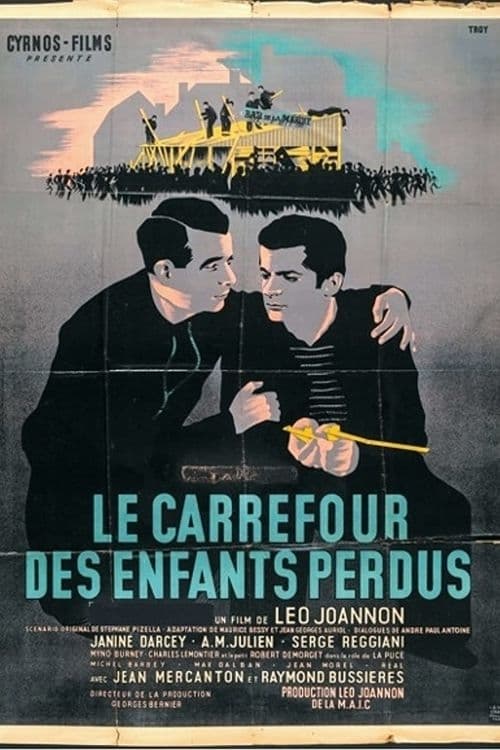
The Little Rebels is a period drama that focuses on the struggles of underrepresented youth against institutional authority. While it provides a nuanced view of how children navigate oppressive social structures, the film remains rooted in the social constraints of its 1955 production era. The narrative emphasizes male-centric rebellion and traditional romantic structures, lacking multi-layered complexity. Its strength lies in critiquing oppressive institutions, but it fails to represent LGBTQ+, racial, or disabled identities.
Category Breakdown
The film does not include any LGBTQ+ characters or stories. Romantic relationships are strictly heterosexual, such as Francis's pursuit of Sylvette.
The story centers on male experiences and social hierarchies. Female characters play supporting roles, motivating the male protagonists but not driving the main plot.
The film portrays a homogeneous French society typical of the 19th century. There is no racial or ethnic diversity among the main characters.
The story highlights rebellion as a reaction to oppressive family environments. It examines the tension between young people's autonomy and strict institutional authority.
There are no characters with visible or invisible disabilities in the film. Disability is not used as a narrative tool.
Present on Screen
Limited or Absent
Official Synopsis
Judge Julien Lamy regularly deals with the welfare of children, namely delinquents. When orphan Alain burns down a barn belonging to his abusive foster family, Lamy has no choice but to send him to a juvenile jail. There, he meets elder Francis, desperate to escape and reunite with his girlfriend. The boys eventually flee, as Francis goes in search of his lost love and Alain continues seeking his biological family.
1959
1938
1957
2015

1956
1984
1944

2020
No reviews yet. Be the first to share your thoughts on this movie!
Use the rating form above to leave a star rating and optional review.