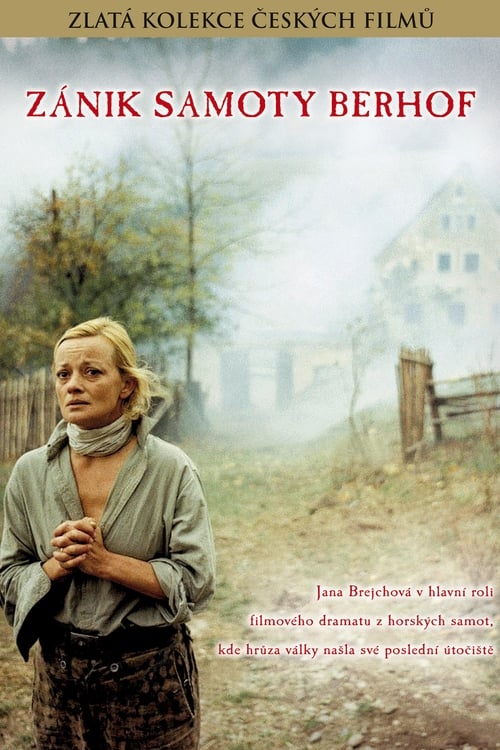
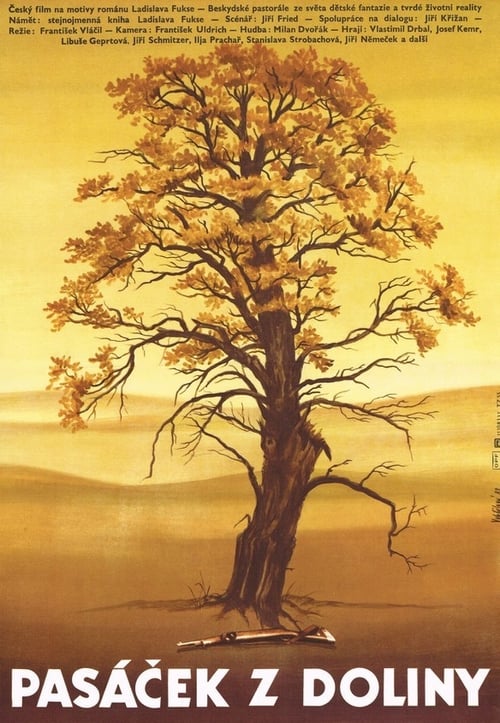
End of the Lonely Farm Berhof
1985
No user ratings available yet
Representation score: 4.1 out of 10
Representation Score
Limited
1984
Director
František Vláčil
Runtime
80 minutes
Average Rating
No ratings yetNew Showbiz Analysis
František Vláčil’s work emphasizes atmospheric and psychological depth over modern demographic representation. The film is deeply rooted in its specific 1947 Czech historical and geographic context, limiting its multi-layered markers. While the film lacks diverse casting or explicit challenges to traditional gender and sexual norms, it disrupts 'feel-good' historical clichés. It replaces romanticized rural life with a somber, surrealist exploration of survival and isolation. Ultimately, the film serves as a sophisticated critique of the human condition through a poetic lens, even if it does not engage with contemporary social progressivism.
Category Breakdown
The film focuses on a young boy's development in a pastoral, historical setting. It does not include any non-straight or non-cisgender identities or same-sex relationships, sticking closely to the social norms of its time.
The narrative follows traditional gender roles typical of a mid-century rural setting. While the boy provides a unique perspective, the film does not challenge traditional gender power dynamics or masculinity.
The cast and setting are ethnically uniform, reflecting the specific historical context of the Beskid mountains in Czechoslovakia. There is no diverse casting to represent various ethnicities.
The film avoids idealizing pastoral settings by focusing on war-torn landscapes and harsh isolation. It presents a nuanced view of traditional authority and family structures without romanticizing them.
The protagonist experiences strange visions and internal psychological states, suggesting an exploration of altered consciousness. However, these elements serve a surrealist aesthetic rather than a direct portrayal of disability.
Present on Screen
Limited or Absent
Official Synopsis
In 1947 by the Beskid mountains, the traces of war still linger, destroyed tanks dispersed throughout the farmland creating an eerie backdrop. This film follows a ten-year-old boy and the strange visions he encounters, his world of fantasy exacerbated with ample time, space, and a lack of companionship or guidance. We see the adults that influence and dominate his life, for better or for worse. Surreal and packed with an excellent study of human emotions and motivations compounded by their rural, isolated vacuum of a town, this is a timeless and severely underrated film from a brilliant Czech director.
1985
1948
1977
1973
1980
1965

1987
1969
No reviews yet. Be the first to share your thoughts on this movie!
Use the rating form above to leave a star rating and optional review.