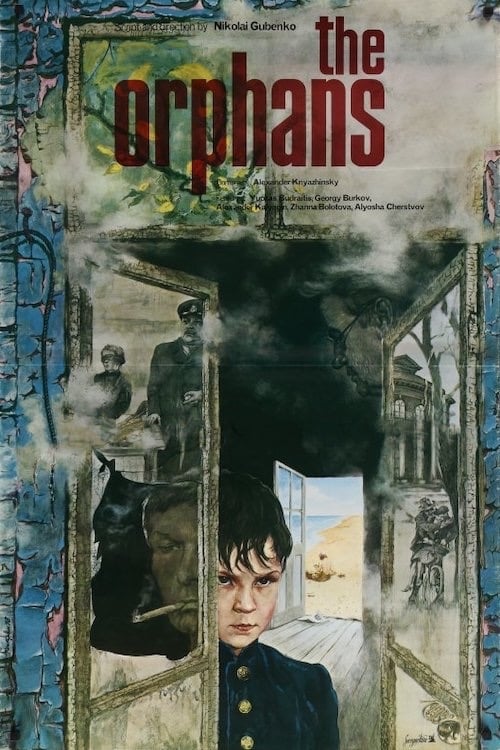
The Orphans
1977
No user ratings available yet
Diversity score: 4.2 out of 10
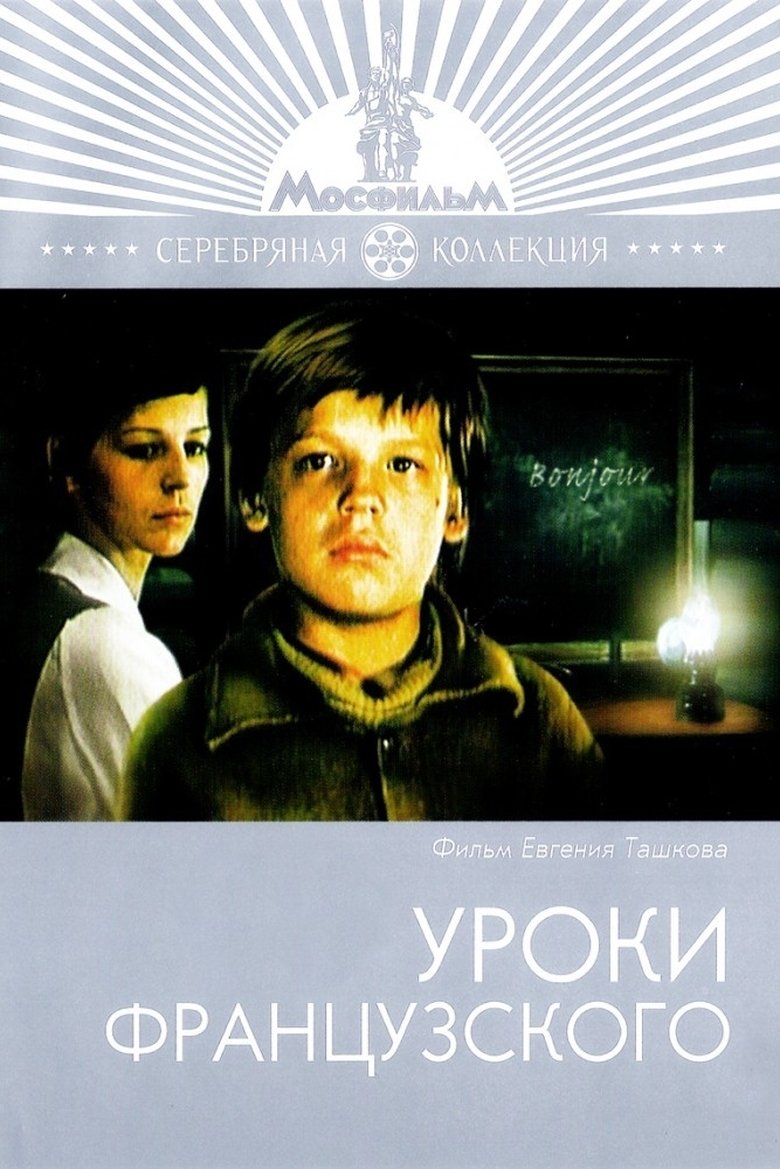
1978
Director
Yevgeni Tashkov
Average Rating
No ratings yetSynopsis
Actions of the movie occurred in Post-WWII years in small village. Mother with three children. Father was lost in the war, like many other. 11-year old son rather smart boy is main help in housekeeping. But here was primary school only, and he was sent to study to neighbor village over 50 km. He lives with his mother's friend - woman and two children. Mother brought food one time per 3 weeks, and he cooks and eats separately from householders. To buy more food he plays game 'money'. He was beaten by older boys – usual child's cruelty.
Overall Score
Fair
Category Breakdown
LGBTQ+ Representation
The film focuses on familial survival and childhood resilience in a post-war setting. There is no evidence of non-cisnormative identities or narratives addressing heteronormativity.
Gender Representation
The narrative centers on a matriarchal household where the mother acts as the primary provider. The young protagonist's domestic responsibilities subvert traditional masculine roles of the era.
Racial & Ethnic Diversity
Set in a specific post-war Soviet rural context, the cast is ethnically homogeneous. The story does not actively engage with racial diversity or intersectional identity politics.
Religious & Cultural Diversity
The film portrays a gritty, realistic morality centered on communal survival. It explores the breakdown of the nuclear family and the corruption of social order during reconstruction.
Disability Representation
No specific physical or neurodivergent disabilities are explicitly featured. However, the protagonist's struggle with malnutrition highlights the invisible vulnerabilities caused by extreme poverty.
Strengths
Areas for Improvement
AI Analysis
A French Lesson is a humanistic drama that prioritizes the agency of a marginalized child and the strength of a female head-of-household. It succeeds in subverting traditional patriarchal hierarchies by centering a matriarchal family structure shaped by war. However, the film lacks modern intersectional markers. It offers no representation for LGBTQ+ identities and maintains an ethnically homogeneous cast consistent with its localized Soviet setting. Ultimately, the film's strength lies in its empathetic portrayal of systemic failure and economic desperation rather than a diverse range of social identities.
1977
1948
1959
1943
1947
1980

1948

1991
1980
1989

1979
1929
No reviews yet. Be the first to share your thoughts on this movie!
Use the rating form above to leave a star rating and optional review.